


2026 Update: Small solar lights are one of the easiest ways to make a South African garden, pathway, patio or entrance feel safer and more welcoming after dark. Their compact size allows them to fit into places where larger outdoor fittings may feel intrusive, while solar power means you can add light without trenching, cabling or increasing your electricity use.
These lights work particularly well along garden paths, beside steps, inside planters, on boundary walls, around braai areas and near entrances. During the day, the built-in solar panel charges the battery. As evening arrives, many models switch on automatically and provide low-level guidance, decorative ambience or focused feature lighting.
At Future Light, our solar lights, solar pathway lights and solar wall lights include practical options for gardens, walkways, entrances, fences and outdoor entertainment areas.
Why choose small solar lights for outdoor spaces?
Small solar lights are a smart choice because they are simple to position, easy to install and inexpensive to run. Most do not need mains wiring, which means you can add useful outdoor light without digging trenches through paving, lawns or flower beds.
Their compact size also gives you more control over the lighting effect. Instead of flooding the whole garden with one bright fitting, you can place smaller lights exactly where they are needed. This may be along a path, beside a step, near a gate, inside a planter or below a feature tree.
Solar lighting is especially useful in areas where adding wiring would be expensive or inconvenient. It can also keep entrances, garden routes and outdoor seating areas softly illuminated during power interruptions, provided the lights received enough sunlight to charge during the day.
- No trenching: Useful where running cable would damage paving or gardens.
- Low running cost: Uses sunlight rather than mains electricity.
- Easy placement: Move or reposition many small solar lights as the garden changes.
- Automatic operation: Many models switch on as daylight fades.
- Layered lighting: Combine several small fittings for a softer outdoor effect.

Where should small solar lights be installed?
Small solar lights should be installed where they improve visibility, guide movement or add atmosphere without creating glare. Garden paths are one of the best applications because low-level solar spikes can help show the route from a gate, driveway or patio to the house.
They also work well beside steps and changes in level. A compact wall-mounted or foot-level solar light can make an outdoor stair or raised deck edge easier to notice after dark. Around patios and braai areas, softer decorative lights can define the space without overpowering the atmosphere.
For landscaping, place solar spotlights near feature trees, sculptures, textured walls or interesting planting. The goal is not always to produce a large amount of general light. Small solar fittings are often most effective when they highlight selected areas and help the garden feel structured at night.
- Pathways: Guide guests safely from gates and driveways.
- Steps: Improve awareness of changes in level.
- Planters: Add a gentle glow around patios and seating areas.
- Boundary walls: Provide low-maintenance accent and guidance lighting.
- Garden features: Highlight plants, sculptures and textured surfaces.

What types of small solar outdoor lights are available?
Small solar lights are available in several formats, each suited to a different outdoor task. Solar garden spikes are ideal for pathways, lawns and flower beds because they can be pushed directly into the soil. Wall-mounted solar lights are useful around entrances, fences and passages where a fixed vertical position makes more sense.
Solar spotlights provide a stronger, more focused beam for highlighting trees, façades and architectural features. Compact solar foot lights are useful beside steps or along low walls, while decorative solar lanterns and string lights create a softer atmosphere around patios and entertainment spaces.
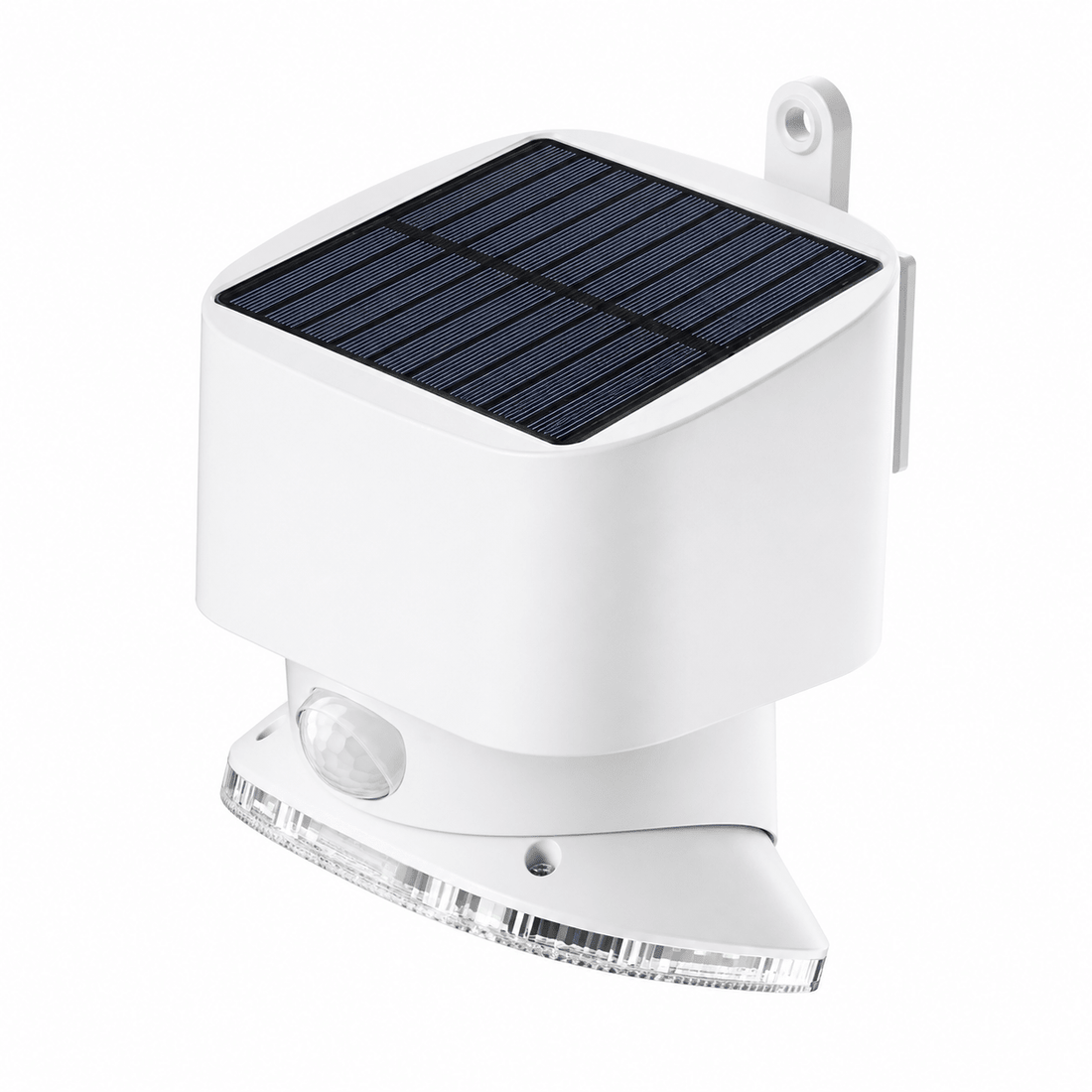
Some small solar lights include motion sensors. These are useful where you want the fitting to provide extra brightness only when someone approaches. Others remain at a low level throughout the evening and are designed mainly for ambience or guidance.
- Solar spike lights: Simple pathway and flower-bed lighting.
- Solar spotlights: Focused light for trees, walls and features.
- Solar wall lights: Useful for entrances, passages and fences.
- Solar foot lights: Low-level lighting for steps and paths.
- Decorative solar lights: Add atmosphere to patios and gardens.
- Motion sensor lights: Boost visibility when movement is detected.

Are small solar pathway lights bright enough?
Small solar pathway lights are usually designed for guidance and ambience rather than lighting an entire garden. They help people see the direction of a path, identify an edge and notice changes in level, but they should not be expected to perform like a mains-powered floodlight.
For a successful pathway layout, use several fittings rather than relying on one small light. Position them close enough to create a clear visual rhythm, especially around bends, steps and entrances. Alternating the lights from one side of the path to the other can create a softer and less formal effect.
If you need stronger visibility near a gate, driveway or dark corner, combine pathway lights with a brighter solar spotlight or wall light. Layering different types of solar lighting gives you both atmosphere and useful illumination.
How much sunlight do small solar lights need?
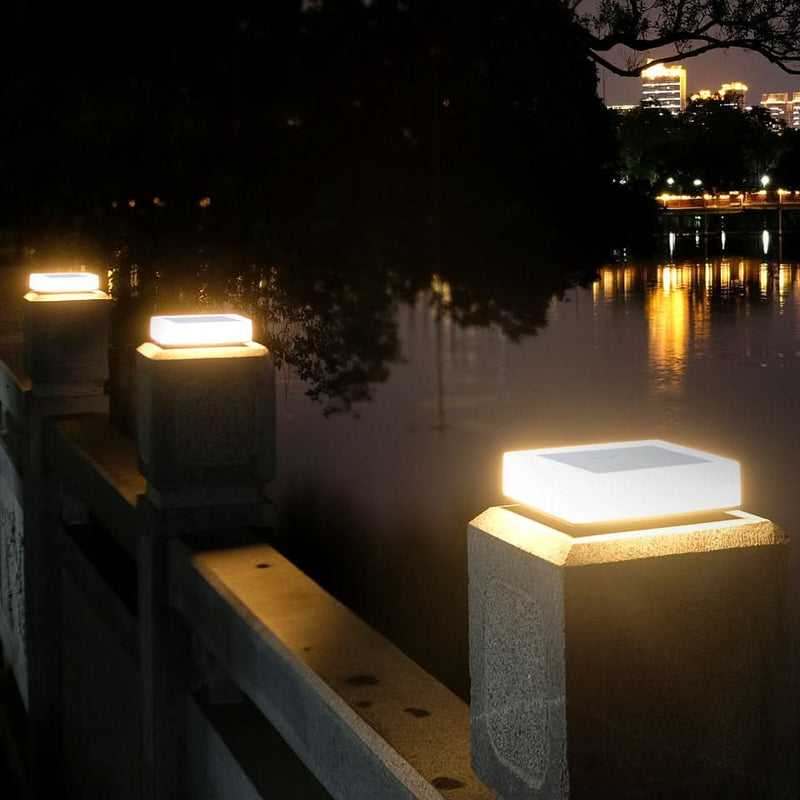
Small solar lights perform best when their panels receive several hours of direct, unobstructed sunlight. Shade from trees, walls, roof overhangs and dense planting can reduce charging performance, even when the garden still appears bright during the day.
Before installing a light permanently, watch the area over the course of a normal day. A position that receives sunlight in the morning may be completely shaded by midday. If the light has a separate solar panel, place the fitting where the light is needed and position the panel in the sunniest nearby location.
Cloudy weather does not necessarily stop charging completely, but it may reduce brightness or operating time at night. During winter, shorter days and lower sun angles can also affect performance. Good panel placement is therefore one of the most important parts of a successful solar-light installation.
How long do small solar lights stay on?
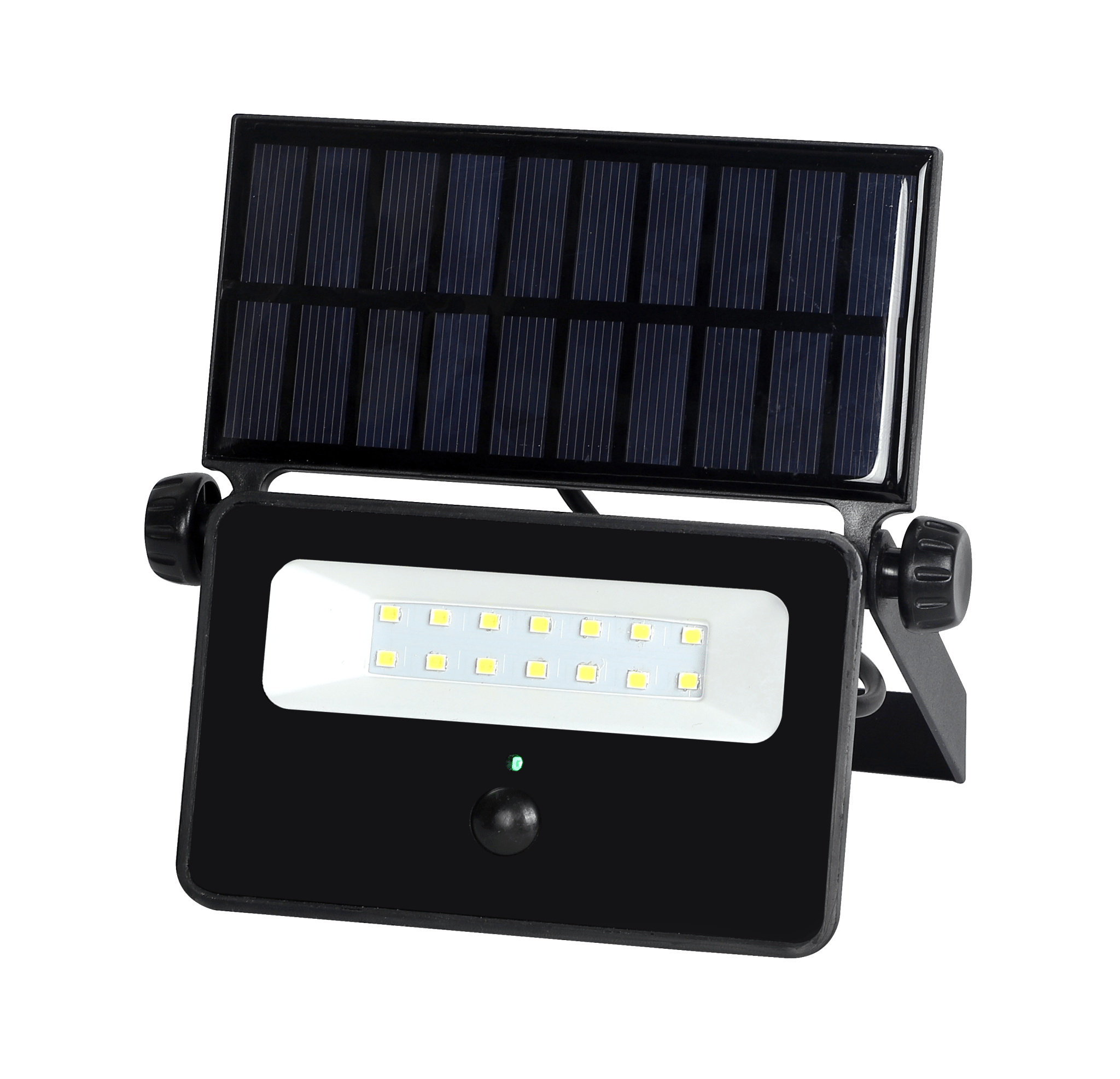
The operating time of a small solar light depends on the battery capacity, solar-panel size, brightness setting, weather and amount of sunlight received during the day. A product may provide several hours of light after a strong charge, but actual performance can be lower after cloudy weather or when the panel is partly shaded.
Motion sensor models may last longer because they do not operate at full brightness continuously. Some remain dim throughout the night and increase their output when movement is detected. Decorative garden lights often use lower-output LEDs so they can provide a gentle glow for longer periods.
When comparing products, look at the stated charging time and expected working time, but treat these as performance under suitable conditions. Real-world results will vary according to placement and weather.
Are small solar lights weatherproof?
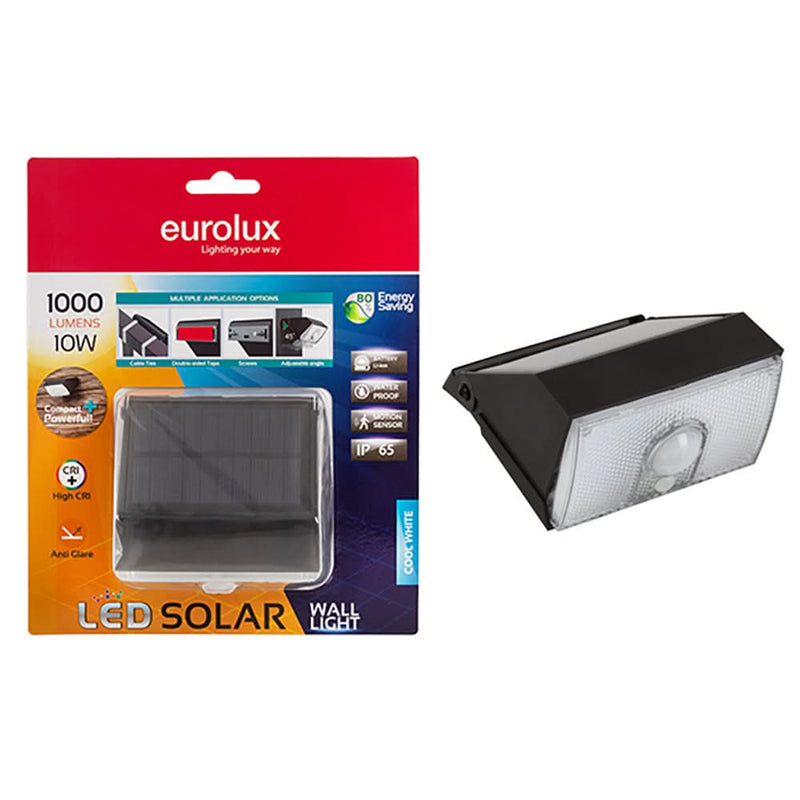
Small solar lights intended for outdoor use should have an appropriate weather-resistance rating, but not every solar product offers the same level of protection. Always check the IP rating rather than assuming that the word “solar” automatically means the fitting can handle rain and exposed outdoor conditions.
For ordinary gardens and pathways, a splash-resistant outdoor rating may be suitable. More exposed areas, such as open boundary walls, coastal properties and places affected by heavy rain, need stronger weather protection and durable materials.
Even outdoor-rated solar lights should not be placed where water pools around the battery housing or where irrigation sprays directly onto the fitting every day. Good placement helps the product last longer and reduces the chance of water entering seals or charging components.
Can small solar lights improve outdoor security?
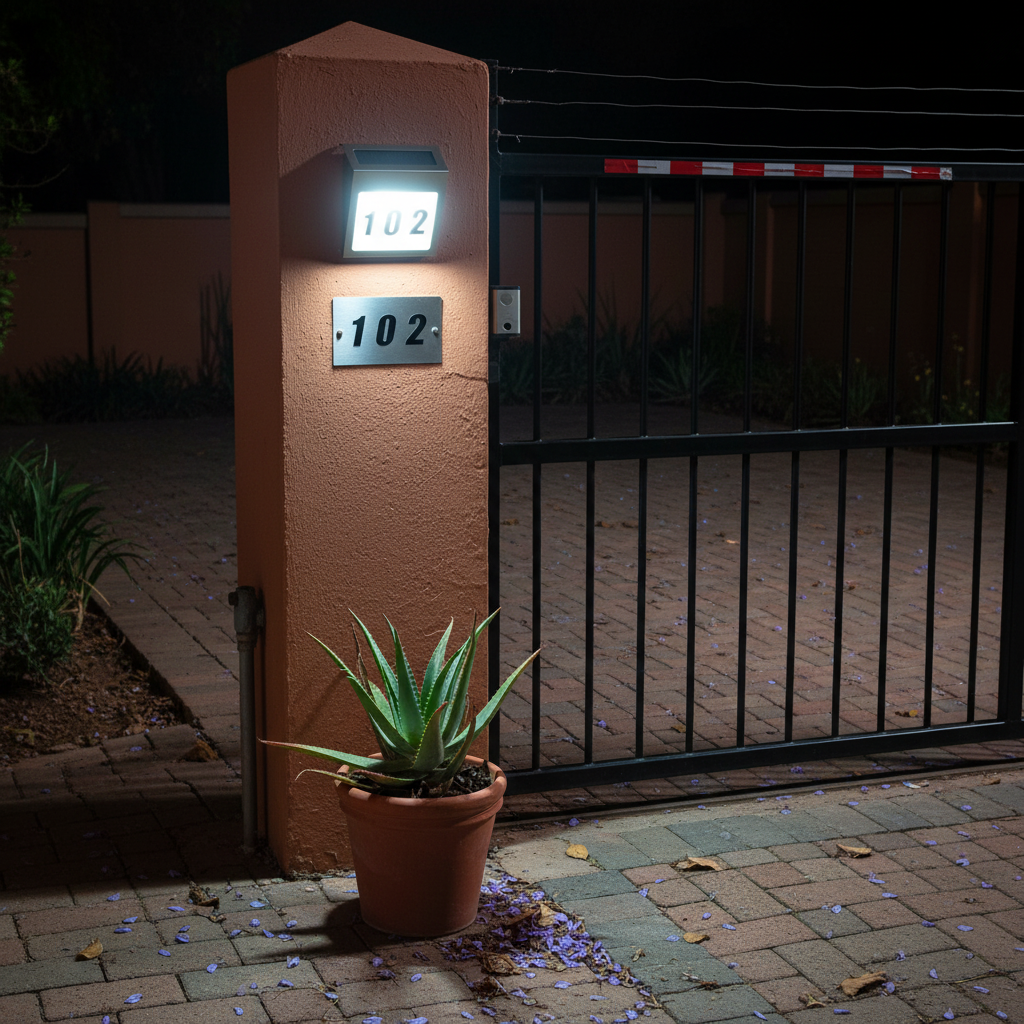
Small solar lights can support outdoor security by improving visibility around entrances, side passages, gates and garden routes. They help reduce completely dark areas and make it easier for residents and visitors to see where they are walking.
They should not be treated as a complete security-lighting system. Small pathway lights and decorative spikes usually do not produce enough output to replace proper floodlights, wall lights or dedicated motion sensor fittings.
For better results, use small solar lights for guidance and atmosphere, then add brighter motion-activated solar wall lights or spotlights at important access points. This layered approach gives you a welcoming garden while still improving practical visibility around the property.
How should small solar lights be maintained?
Small solar lights require very little maintenance, but cleaning the panel is important. Dust, pollen, bird droppings and coastal residue can reduce the amount of sunlight reaching the solar cells, which then affects charging and nighttime performance.
Wipe the panel with a soft damp cloth and remove leaves or plants that create shade. Check that garden spikes remain upright and that wall-mounted lights are still secure. If a fitting becomes noticeably dimmer over time, the rechargeable battery may eventually need replacement where the design allows it.
During garden maintenance, avoid knocking the lights with lawnmowers, trimmers or hoses. Repositioning them slightly away from high-traffic maintenance zones can help extend their service life.
Small solar outdoor light buying checklist
- Application: Decide whether the light is for a path, step, wall, feature or decorative area.
- Brightness: Choose low-level light for ambience and stronger output for entrances or features.
- IP rating: Match the weather resistance to the exposure level.
- Sunlight: Confirm that the panel can receive enough direct daylight.
- Battery runtime: Compare charging and operating times.
- Sensor type: Choose dusk-to-dawn or motion sensor operation depending on the use.
- Mounting: Select spikes, wall mounts or foot lights to suit the surface.
- Colour temperature: Warm White creates ambience, while Daylight gives a crisper functional effect.
- Spacing: Use several small lights to create consistent guidance rather than isolated bright spots.
Key takeaways
- Small solar lights are ideal for paths, steps, patios, planters, fences and garden features.
- They install without mains wiring and use sunlight to recharge their batteries.
- Solar pathway lights are mainly designed for guidance and ambience rather than broad area lighting.
- Solar spotlights and motion sensor wall lights provide stronger focused illumination.
- Direct sunlight and correct panel placement have a major effect on nighttime performance.
- Always check the IP rating before using a solar light in exposed outdoor conditions.
- Regular panel cleaning helps maintain reliable charging and brightness.
Frequently asked questions about small solar lights
How long do small solar lights stay on at night?
Operating time depends on the product, battery, brightness level and amount of sunlight received. Many provide several hours of light after a good daytime charge, but cloudy weather and shade can reduce runtime.
Do small solar lights switch on automatically?
Many solar garden and pathway lights include dusk-to-dawn operation, allowing them to switch on automatically as daylight fades. Some models also include motion sensors.
Are small solar lights weatherproof?
Outdoor solar lights are designed with weather resistance, but ratings vary. Always check the product’s IP rating and choose a fitting suited to the level of rain, splash and exposure.
Do solar lights need direct sunlight?
They perform best in direct, unobstructed sunlight. They may still charge in cloudy or partly shaded conditions, but brightness and nighttime runtime can be reduced.
Can solar pathway lights replace security lights?
Small pathway lights improve guidance and reduce dark areas, but they do not usually replace brighter floodlights or dedicated motion sensor security lighting.
Can I install small solar lights myself?
Most spike, pathway and compact wall-mounted solar lights are designed for simple DIY installation. Always follow the product instructions and make sure wall-mounted fittings are secure.
How far apart should small solar pathway lights be placed?
Spacing depends on brightness and the shape of the path. Place lights close enough to make the route easy to follow, with extra fittings near bends, steps and entrances.
Where can I buy small solar lights in South Africa?
You can buy solar pathway lights, garden spikes, wall lights, spotlights and decorative solar lighting from Future Light online.
Conclusion
Small solar lights may be compact, but they can make a noticeable difference to the safety, atmosphere and usability of an outdoor space. They are an easy way to define garden paths, illuminate steps, highlight plants and make patios feel more welcoming without installing electrical cabling.
The best results come from matching the fitting to the task. Use low-level spikes for pathways and planters, focused solar spotlights for features, and wall-mounted motion sensor lights near entrances and side passages. Make sure every panel receives enough sunlight and check the IP rating before installation.
Explore solar lights, browse solar pathway lights, or compare solar wall lights at Future Light to build a practical, wire-free outdoor lighting layout.


