


Lighting with sensor technology is changing the way we think about home security and energy savings. Whether it's a light that switches on when you enter a room or outdoor lighting that deters intruders, sensors are making life simpler and safer. They're not just about convenience either—these systems can help you cut down on energy bills too. With advancements in tech, motion sensor lights have become smarter, more reliable, and easier to integrate into our daily lives.
Key Takeaways
- Motion sensor lighting boosts home security by activating lights when movement is detected.
- Energy-efficient sensor lights help cut down electricity costs by only operating when needed.
- Smart home systems can now integrate motion sensors for added convenience and control.
- LED technology in sensor lights offers brighter, longer-lasting, and eco-friendly solutions.
- Future trends include voice control, AI-driven sensors, and solar-powered options.
The Role of Motion Sensor Lighting in Modern Homes
Enhancing Security with Motion Sensors
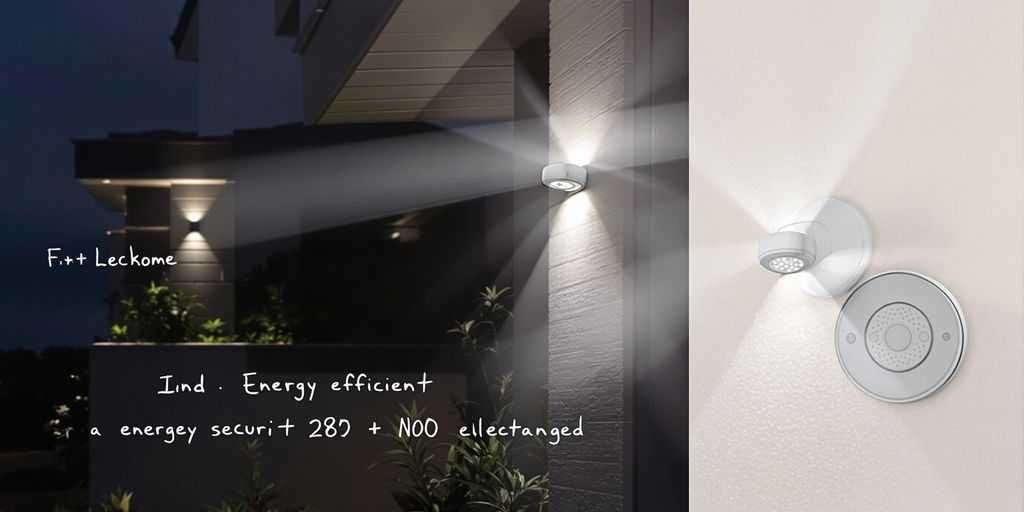
Motion sensor lighting is a simple yet powerful tool for home security. By automatically illuminating areas when motion is detected, these lights deter potential intruders before they even get close. Whether it's the driveway, garden, or entryway, having these lights in place adds an extra layer of protection. They act as both a warning system and a deterrent, making homes feel safer.
Improving Energy Efficiency in Residential Spaces
One of the biggest perks of motion sensor lights is how they save energy. Lights only come on when they're needed—no more forgetting to turn them off. This feature is especially handy in areas like hallways, staircases, or bathrooms, where lights are often left on unnecessarily. Combine this with energy-efficient LEDs, and you’ve got a setup that’s both eco-friendly and cost-effective.
Integrating Motion Sensors with Smart Home Systems
Modern motion sensor lights aren’t just standalone devices anymore. They can now connect to smart home systems, offering even more convenience. Imagine lights that sync with your security cameras or turn off automatically when your smart thermostat detects no one’s home. These integrations make life easier while keeping energy usage in check. For example, the Oober 20W Motion Sensor LED Flood Light is a great choice for outdoor security and can be seamlessly integrated into such systems, providing both safety and efficiency.
Advancements in Motion Sensor Technology
The Evolution of Motion Detection Systems
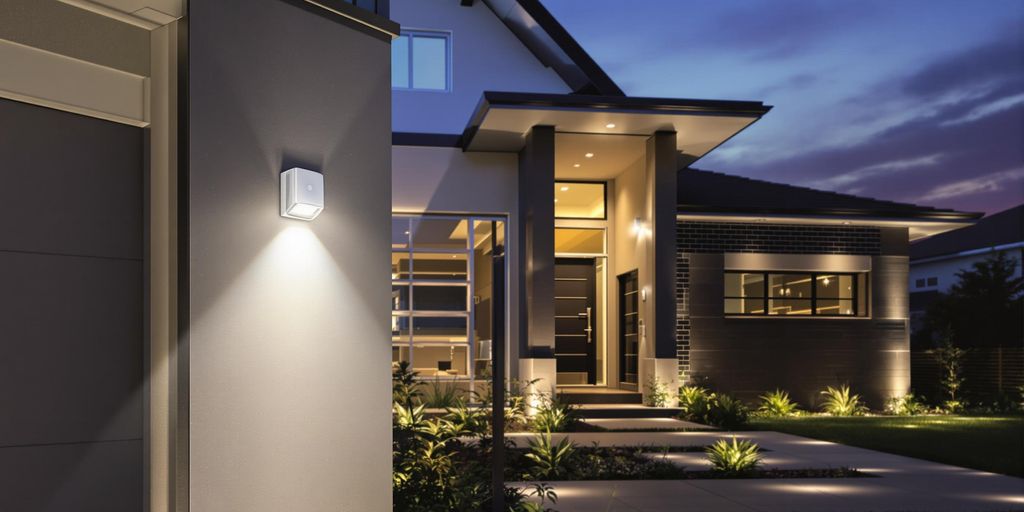
Motion detection systems have come a long way. Early models were mechanical or basic electronic setups that needed direct triggers to work. Then came infrared sensors, which could detect body heat—this was a game-changer. Over time, these systems found their way into homes and businesses, especially for security. Now, they’re smarter, faster, and more reliable than ever.
Artificial Intelligence in Motion Sensors
AI is shaking up the motion sensor world. With AI, sensors can learn patterns, like knowing the difference between a wandering pet and an actual person. This means fewer false alarms and better energy use. AI-powered sensors can even predict movement, adjusting lights or alarms before you realise you need them. It’s like having a tech-savvy assistant keeping an eye on things.
Dual-Technology Sensors for Enhanced Accuracy
Dual-technology sensors mix two detection methods—usually infrared and ultrasonic. Why? Because combining the two makes them way more accurate. For example, infrared picks up heat, while ultrasonic detects motion through sound waves. Together, they reduce false triggers, like when a tree branch moves outside. This kind of tech is perfect for tricky spots like garages or busy hallways.
Energy Efficiency Through Motion Sensor Lighting
Reducing Energy Consumption in Commercial Spaces
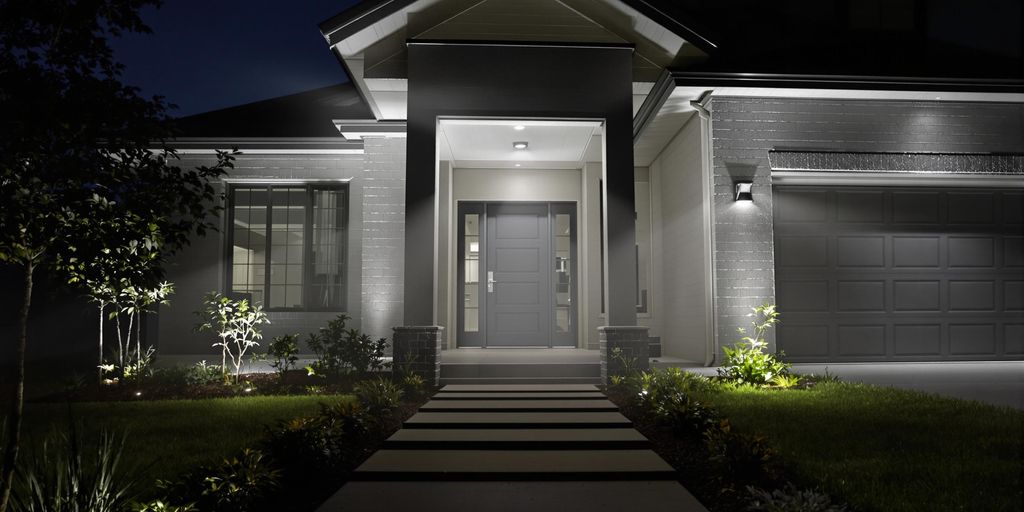
Motion sensor lighting has become a game-changer for commercial spaces like offices, warehouses, and retail stores. These systems automatically turn lights on or off based on activity, cutting down on unnecessary energy use. For example, in office buildings, lights in meeting rooms or corridors often remain on even when no one is around. By installing motion sensors, businesses can save up to 30% on energy costs.
Here’s a quick example of how energy savings stack up:
| Area | Traditional Lighting (kWh/year) | Motion Sensor Lighting (kWh/year) | Savings (%) |
|---|---|---|---|
| Office Corridors | 10,000 | 7,000 | 30% |
| Parking Garages | 50,000 | 35,000 | 30% |
| Storage Rooms | 5,000 | 3,500 | 30% |
This reduction not only lowers electricity bills but also aligns with sustainability goals by reducing the carbon footprint of the organisation.
Sustainable Living with Motion Sensor Lights
In homes, motion sensor lighting helps homeowners adopt a greener lifestyle. By ensuring lights are only active when needed, these systems prevent energy wastage. Imagine walking into your garage, and the lights automatically switch on, then turn off when you leave—no more forgetting to flip the switch. This convenience goes hand in hand with sustainability.
- Less energy consumption means reduced strain on power plants.
- Longer-lasting bulbs lead to less waste in landfills.
- Lower electricity bills are an added bonus for families looking to save money.
The Impact of LED Technology on Energy Savings
LED technology has revolutionised motion sensor lighting. These bulbs are already energy-efficient, consuming far less electricity than traditional incandescent or fluorescent lights. When paired with motion sensors, the energy savings are amplified. For instance:
- LEDs last longer because they’re not constantly running, reducing the need for replacements.
- They emit brighter light with less power, making them ideal for both indoor and outdoor settings.
- Many LED systems now come with dimming options, allowing users to customise brightness levels further.
Combining LED technology with motion sensors is a win-win for your wallet and the planet. It’s an easy step toward a more sustainable future, whether you’re lighting up a small flat or a massive office building.
Applications of Motion Sensor Lighting
Outdoor Security and Illumination
Motion sensor lighting is a game-changer for outdoor spaces. Whether it's your front yard, driveway, or garden, these lights automatically brighten up the area when they detect movement. This feature not only deters intruders but also ensures a safer path for residents and visitors. Key spots for installation include entryways, pathways, and garages. For added convenience, some systems allow sensitivity adjustments to avoid false activations from passing animals or wind-blown objects.
Indoor Convenience and Safety
Inside the home, motion sensor lights are all about practicality. They're perfect for places like hallways, staircases, and bathrooms—anywhere you might need a light without fumbling for a switch. Imagine waking up at night and having a softly lit path to the kitchen or bathroom. These lights also help reduce energy waste since they only turn on when needed. For tech enthusiasts, integrating motion sensors with smart home systems can make daily living even smoother.
Specialised Uses in Commercial Settings
In commercial spaces, motion sensor lighting serves both functional and aesthetic purposes. Offices benefit from energy savings as lights adapt to occupancy, while retail stores can use motion sensors to highlight displays when customers approach. Industrial areas like warehouses and factories use these lights to enhance safety and visibility. Even healthcare facilities incorporate motion sensors for patient rooms and hallways, ensuring comfort and security. For businesses, investing in reliable options like the 12Vdc PIR Motion Sensor 8A can streamline operations and reduce costs.
Future Trends in Lighting with Sensor Technology
Smart Home Integration and Automation
The future of motion sensor lighting is deeply tied to smart home ecosystems. These systems are becoming more intuitive, allowing users to manage their lighting through mobile apps or voice commands. Imagine walking into a room, and the lights not only turn on but adjust to your preferred brightness or colour temperature. With advancements, these lights could even sync with other smart devices, like thermostats or security cameras, to create a truly interconnected home.
- Lights that automatically adjust based on time of day or activity.
- Integration with security systems to enhance home safety.
- Customisable settings for personal comfort and energy savings.
Voice-Controlled and Remote-Operated Systems
Voice-activated lighting is no longer just a gimmick—it’s becoming a practical feature in modern homes. Systems like these allow for hands-free operation, which is especially helpful for individuals with mobility issues or busy households. Remote control via smartphones adds another layer of convenience, enabling users to manage their lighting even when they’re not at home.
Tip: Combining voice control with motion sensors can make your home lighting both energy-efficient and incredibly user-friendly.
Eco-Friendly Innovations in Sensor Lighting
Sustainability is a growing focus in lighting technology. Motion sensor lights are increasingly paired with LED bulbs, known for their long lifespan and low energy consumption. Solar-powered options are also gaining traction, particularly for outdoor settings. These solutions not only reduce energy bills but also lessen environmental impact.
| Feature | Benefit |
|---|---|
| LED Integration | Lower energy use, longer life |
| Solar-Powered Options | Harness renewable energy |
| Smart Timers | Avoid unnecessary power usage |
For a wide range of LED lighting solutions, including smart and solar-powered options, explore the possibilities to modernise your space.
Overcoming Challenges in Motion Sensor Lighting
Addressing False Activations
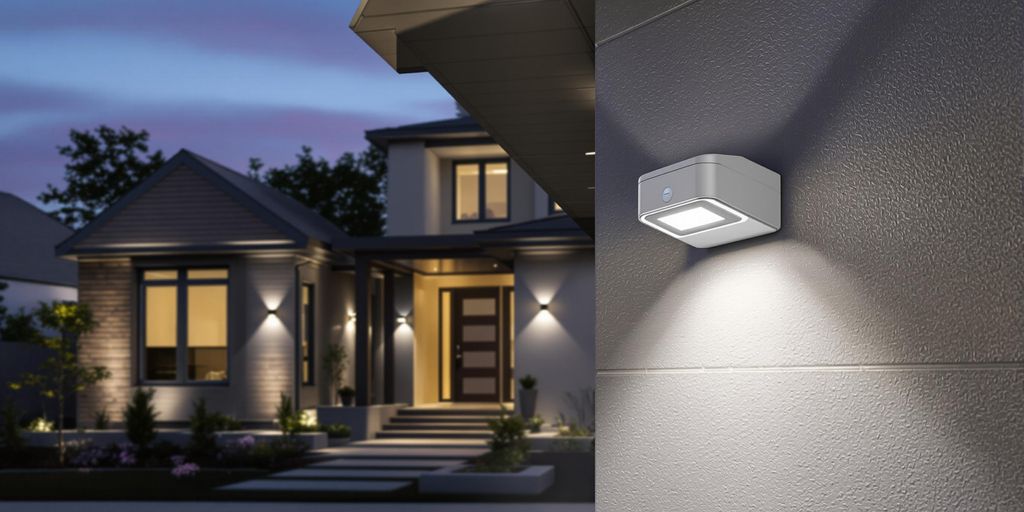
False activations can be one of the most frustrating aspects of motion sensor lighting. Sensors may be triggered by things like pets, wildlife, or even swaying tree branches. To minimise this, consider the following:
- Adjust Sensitivity Settings: Many modern sensors allow you to tweak their responsiveness to ignore smaller movements.
- Install Pet-Immune Sensors: These are specially designed to avoid activation caused by small animals.
- Choose the Right Placement: Position sensors away from areas prone to environmental interference, like windy spots or direct sunlight.
Maximising Coverage and Efficiency
Getting the most out of your motion sensor lights often comes down to proper installation and configuration. Here are a few tips:
- Set the Right Height: Install sensors at an optimal height to maximise their detection range without obstructions.
- Test Coverage Areas: After installation, walk through the space to identify any blind spots or overlaps in coverage.
- Use Multiple Sensors: For larger areas, consider deploying multiple units to ensure no corner is left unlit.
Ensuring Reliable Power Sources
A consistent power source is essential for the reliable operation of motion sensor lights. Whether you’re using battery-operated or hardwired systems, here’s what to keep in mind:
- For Battery-Operated Lights: Regularly check and replace batteries to avoid downtime.
- For Hardwired Systems: Ensure the electrical connections are secure and compliant with safety standards.
- Solar-Powered Options: For outdoor spaces, solar-powered lights like the Motion Sensor LED Solar Wall Light can be a sustainable and cost-efficient solution.
Motion sensor lighting is a practical way to illuminate spaces, but addressing these challenges early on will ensure a smoother experience. By choosing the right settings, placement, and power options, you can enjoy reliable, efficient lighting for years to come.
The Benefits of Motion Sensor LED Lights
Enhanced Safety and Security
Motion sensor LED lights are a game-changer when it comes to improving safety and security. These lights automatically illuminate dark spaces when motion is detected, making them ideal for driveways, entryways, and hallways. This instant lighting deters potential intruders and ensures visibility in areas prone to accidents, such as stairs or pathways.
- Automatically activates when motion is detected, reducing the risk of falls or injuries.
- Provides a visible deterrent for trespassers or burglars.
- Ideal for both indoor and outdoor use, enhancing overall home security.
Convenience in Everyday Living
Let’s face it—fumbling for light switches in the dark is annoying. Motion sensor LED lights make life easier by turning on only when you need them. Whether you’re carrying groceries into the house or walking into a dark room, these lights have you covered.
- Hands-free operation adds convenience to daily routines.
- Useful in frequently accessed areas like closets, bathrooms, and hallways.
- Perfect for families with kids or elderly members who may forget to turn off lights.
Motion sensor LED lights simplify your life while ensuring you never waste energy on unnecessary lighting.
Cost-Effective Lighting Solutions
While the upfront cost of motion sensor LED lights might seem high, the long-term savings are undeniable. These lights are energy-efficient and help cut down on electricity bills by only operating when needed. Plus, their durability means fewer replacements.
| Feature | Benefit |
|---|---|
| Energy Efficiency | Reduces energy bills significantly. |
| Longer Lifespan | Less frequent bulb replacements needed. |
| Minimal Maintenance | Saves time and money on upkeep. |
For example, a battery-operated motion sensor LED night light is an excellent choice for hallways or bedrooms, providing just the right amount of illumination without wasting energy. This simple yet effective solution enhances both safety and convenience.
Choosing the Right Motion Sensor Lighting for Your Needs
Factors to Consider for Outdoor Spaces
Outdoor lighting needs to be robust and functional. When selecting motion sensor lights for outdoor areas, keep these key factors in mind:
- Weather Resistance: Ensure the light is rated for outdoor use, often indicated by an IP (Ingress Protection) rating. Higher ratings like IP65 are ideal for withstanding rain and dust.
- Detection Range: Choose a sensor with a range that matches the size of your outdoor space. For instance, a large driveway might need a sensor with a range of 10-12 metres.
- Light Sensitivity: Opt for sensors that activate only during low-light conditions to save energy during the day.
Selecting Sensors for Indoor Applications
Indoor motion sensor lights should balance functionality with aesthetics. Here’s what to focus on:
- Customisable Time Settings: Look for options that allow you to adjust how long the light stays on after detecting motion.
- Compact Design: Pick lights that blend seamlessly with your interior decor, especially for areas like living rooms or hallways.
- Minimising False Activations: Sensors with adjustable sensitivity can help avoid triggering lights unnecessarily, such as by pets or small movements.
Customising Settings for Optimal Performance
To get the most out of your motion sensor lighting, fine-tuning the settings is crucial. Here’s how:
- Adjust the Detection Zone: Position the sensor to cover high-traffic areas while avoiding unnecessary triggers, like moving branches or passing cars.
- Set the Timer: Many models allow you to choose how long the light remains on, typically ranging from 10 seconds to 10 minutes.
- Test and Refine: After installation, test the setup during both day and night to ensure the light activates as desired.
Pro Tip: For controlling 12Vdc equipment like LED bulbs or strip lights, consider using a 12Vdc PIR Motion Sensor. It offers adjustable activation times to suit your needs, from 1 to 10 minutes.
When it comes to picking the best motion sensor lights, it’s important to think about what you really need. These lights can help keep your home safe and save energy. Look for features like brightness, range, and how easy they are to install. If you want to learn more about choosing the right lighting for your space, visit our website for helpful tips and products!
Conclusion
In the end, motion sensor lighting is more than just a clever gadget—it's a practical step forward for modern homes and businesses. By combining energy savings with added security, these systems tick a lot of boxes for today's needs. Whether you're looking to cut down on electricity bills, make your home smarter, or simply feel safer at night, motion sensor lights have something to offer. Plus, with technology constantly improving, who knows what features we'll see next? One thing's for sure: the future of lighting is looking pretty bright.
Frequently Asked Questions
What is motion sensor lighting and how does it work?
Motion sensor lighting uses sensors to detect movement and automatically turn lights on or off. These sensors can use infrared, ultrasonic, or microwave technology to sense motion in an area.
Can motion sensor lights help save energy?
Yes, motion sensor lights save energy by only turning on when movement is detected. This reduces unnecessary electricity usage, making them an energy-efficient choice.
Are motion sensor lights suitable for outdoor use?
Absolutely. Motion sensor lights are often used outdoors for security and convenience. They can light up driveways, gardens, and pathways when someone approaches.
Do motion sensor lights work with smart home systems?
Yes, many modern motion sensor lights can integrate with smart home systems. This allows you to control them using apps or voice commands through devices like Alexa or Google Home.
How can I prevent false activations in motion sensor lights?
To prevent false activations, you can adjust the sensitivity settings or position the sensors carefully. Some lights also come with pet-immune features to avoid being triggered by small animals.
What factors should I consider when choosing motion sensor lights?
When selecting motion sensor lights, consider the area of installation, the type of sensor technology, power source, and whether you need additional features like smart home integration or adjustable sensitivity.


