


2026 update: 12V LED lighting continues to dominate across South Africa, from camper van conversions and off-grid solar setups to modern kitchens and outdoor entertainment areas. With rising electricity costs and a shift toward low-voltage systems, more people are investing in 12V LEDs — but one question keeps coming up: how long do they actually last in real-world conditions?
Whether you're lighting up a camper van in the Karoo or installing garden path lights at home, 12V LED lighting is one of the most practical and efficient solutions available. But like anything electrical, lifespan depends heavily on how well it’s installed and maintained.
In this guide, we break down what really affects LED lifespan in South African conditions — and how to get the absolute most out of your setup.
Understanding 12V LED Lifespan
Unlike traditional incandescent or halogen bulbs that fail suddenly, LEDs degrade gradually over time. This means they don’t “burn out” in the traditional sense — instead, they slowly lose brightness as the internal components wear down.
The lifespan of LEDs is typically measured using the L70 standard. This refers to the point at which the light output has dropped to 70% of its original brightness. For most quality 12V LEDs, this rating falls between 25,000 and 50,000 hours.
To put that into perspective, running a light for 5 hours per day could give you well over 10 years of use before noticeable dimming occurs.
However, these numbers assume ideal conditions — which is where many real-world installations fall short.
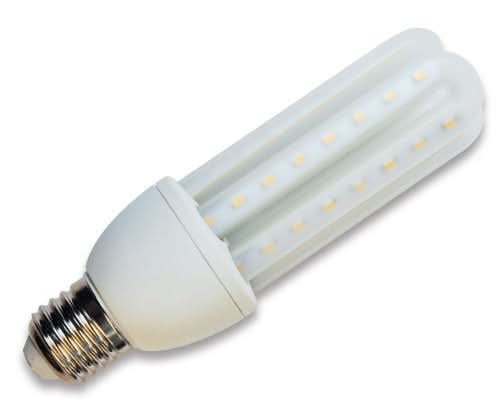
What Affects 12V LED Lifespan in South Africa?
In South Africa, environmental conditions play a massive role in how long your LEDs will actually last. Heat is the number one enemy. In coastal areas like Durban or Cape Town, humidity adds another layer of stress, while inland regions often deal with extreme temperature swings.
Component quality is equally important. High-quality LED chips and drivers are designed to handle thermal stress and voltage fluctuations far better than cheaper alternatives. This is why investing in reputable brands pays off long-term.
Power stability is another major factor. 12V systems rely on transformers or battery setups, and poor-quality power supplies can cause voltage spikes or drops that damage LEDs over time.
Finally, airflow and installation conditions matter. Enclosed spaces without ventilation trap heat, accelerating degradation and reducing overall lifespan.
4 Key Factors That Impact Longevity
1. LED Quality: Cheap LEDs often use lower-grade chips that degrade quickly. Always choose trusted suppliers.
2. Heat Management: LEDs must dissipate heat properly. Installing strips in aluminium profiles dramatically improves lifespan.
3. Power Supply Stability: A regulated, high-quality driver prevents voltage fluctuations that damage circuits.
4. Installation Environment: Exposure to moisture, dust, or extreme temperatures will shorten lifespan significantly if not managed properly.
Getting these four factors right can double or even triple the lifespan of your LED system.
LED vs Traditional Lighting Lifespan
| Lighting Type | Typical Lifespan | Failure Type |
|---|---|---|
| LED (12V) | 25,000–50,000 hrs | Gradual dimming |
| Halogen | 2,000–4,000 hrs | Sudden burnout |
| Incandescent | 1,000–2,000 hrs | Sudden burnout |
How to Extend the Life of Your LEDs
To maximise lifespan, always start with proper installation. Use aluminium mounting surfaces, avoid enclosed heat traps, and ensure adequate airflow.
Choose the correct power supply with sufficient headroom — ideally running at around 80% capacity for long-term reliability.
Protect your system from moisture, especially outdoors. Use appropriate IP-rated fittings and connectors where needed.
Finally, avoid cheap components. A slightly higher upfront investment results in significantly better long-term performance and fewer replacements.
Frequently Asked Questions
Do 12V LEDs burn out?
No, they gradually dim over time instead of failing suddenly.
How long do they last in real use?
Typically 25,000–50,000 hours depending on installation and conditions.
What reduces LED lifespan?
Heat, poor power supply, and low-quality components are the main causes.


