



2026 Update: Pendant lights remain one of the most effective ways to add style, focus and atmosphere to Cape Town homes, apartments, restaurants, offices and commercial spaces. They draw the eye, define important zones and bring light closer to where life actually happens — over kitchen islands, dining tables, reception counters, bedside areas and feature corners.
Whether you want a modern LED pendant for a kitchen island, a decorative glass pendant for a dining area, a bold industrial fitting for a café, or a statement cluster light for a foyer, the right pendant can completely change the feel of a space. The key is choosing the correct size, height, colour temperature, beam spread and style for the room.
At Future Light, our pendant lights include modern LED pendants, glass pendants, metal pendants, industrial designs, cluster fittings and statement lighting options for South African interiors. Pendant lighting works beautifully when it is planned around the space, not just chosen because it looks good in a product photo.
Why choose LED pendant lights in Cape Town?
LED pendant lights are a practical choice for Cape Town homes and businesses because they combine decorative style with energy-efficient performance. A pendant light does more than brighten a room. It creates a focal point, helps define a zone and gives the interior a more finished, designed feel.
In open-plan homes, pendant lights are especially useful. They can visually separate a kitchen island from the lounge, make a dining table feel more intimate, or turn a plain hallway into a more intentional feature. Instead of relying on one flat ceiling light, pendants bring light down to human level where it feels warmer and more useful.
LED technology also helps with running costs and maintenance. Many modern pendants are LED-compatible or include integrated LED sources, giving you strong lighting with lower energy use. For Cape Town homes, guesthouses and commercial spaces where lights may run for long evening hours, that efficiency matters.
- Energy efficient: LED pendant lights help reduce electricity use.
- Strong design impact: Pendants create a visible focal point in the room.
- Useful zoning: Ideal for kitchen islands, dining tables and counters.
- Flexible style: Available in modern, industrial, glass, metal and decorative designs.
- Better ambience: Pendant lighting brings warmth and depth into the space.
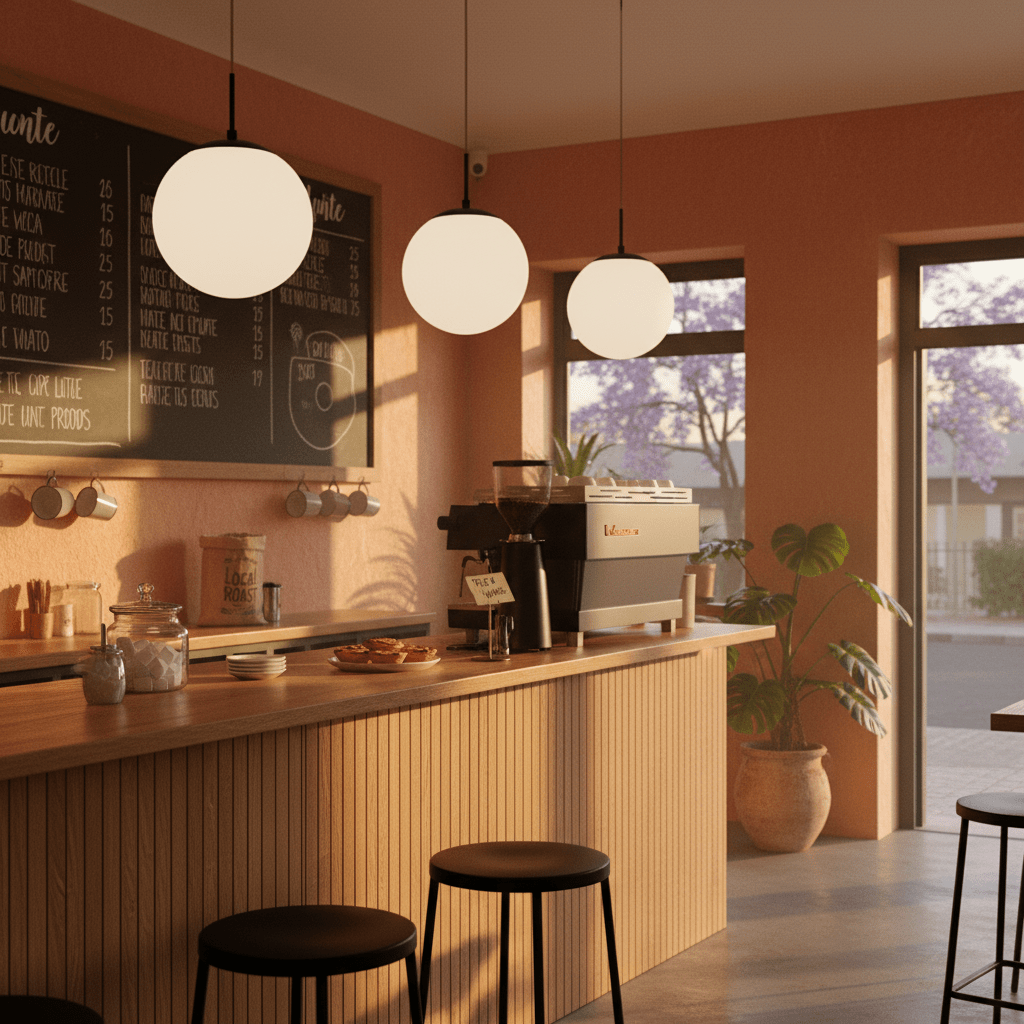
What types of pendant lights are best for different spaces?
The best pendant light depends on the room, ceiling height and purpose. A slim LED pendant works well in a modern kitchen, while a glass pendant can add softness and sparkle above a dining table. Industrial pendants suit cafés, loft-style interiors and bold feature areas, while cluster pendants create a dramatic statement in double-volume spaces, stairwells and entrance halls.
For kitchens, pendant lights should provide useful task lighting without blocking sightlines. For dining rooms, the pendant should create atmosphere and sit comfortably above the table. For bedrooms, smaller pendants can replace bedside lamps where table space is limited. For commercial interiors, pendants help shape the customer experience and reinforce the style of the space.
Think carefully about scale. A pendant that is too small may disappear in the room, while one that is too large can overpower the furniture below it. The best pendant should feel connected to the table, island, counter or seating area it lights.
- LED pendant lights: Best for efficient modern lighting.
- Glass pendants: Best for dining rooms, kitchens and softer decorative light.
- Industrial pendants: Best for cafés, loft spaces and character interiors.
- Cluster pendants: Best for entrances, foyers, stairwells and high ceilings.
- Dimmable pendants: Best where the room needs both task light and ambience.
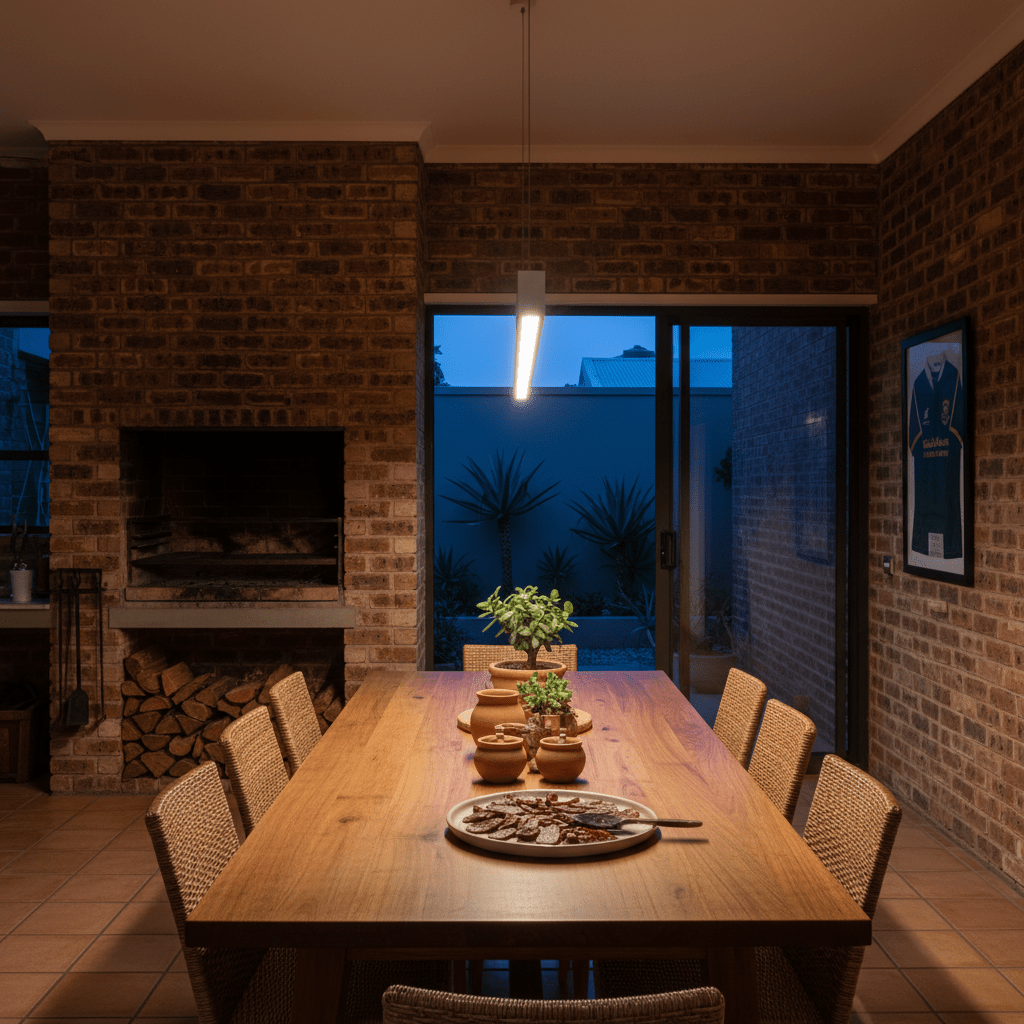
Where should pendant lights be used?
Pendant lights should be used where you want to bring light down into a specific zone. They work especially well above kitchen islands, dining tables, breakfast counters, bedside tables, reception desks, restaurant tables, retail counters and entrance spaces.
In Cape Town homes, pendant lights are very popular over kitchen islands because they add both function and style. They help brighten the preparation area while also making the kitchen feel more finished. In dining rooms, pendant lights create a sense of occasion and help the table feel like the heart of the room.
In commercial spaces, pendant lights help create identity. Restaurants use them to shape mood at tables. Retail stores use them to highlight counters or displays. Offices and hospitality spaces use pendants to make waiting areas and meeting rooms feel warmer and less clinical.
- Kitchen islands: Task lighting and visual definition.
- Dining tables: Warm ambience and a central focal point.
- Bedrooms: Bedside pendants where table space is limited.
- Restaurants: Table lighting and hospitality atmosphere.
- Retail spaces: Counters, displays and customer-facing zones.
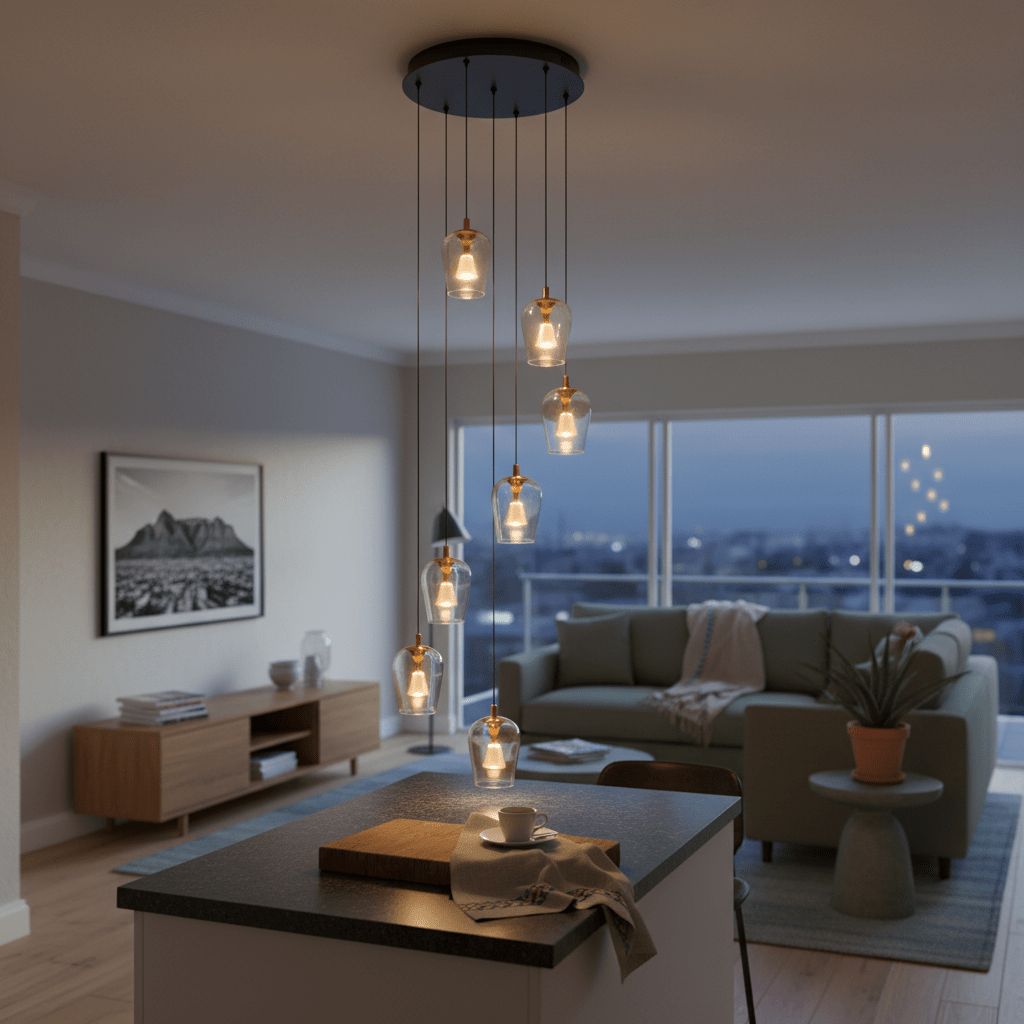
How high should pendant lights hang?
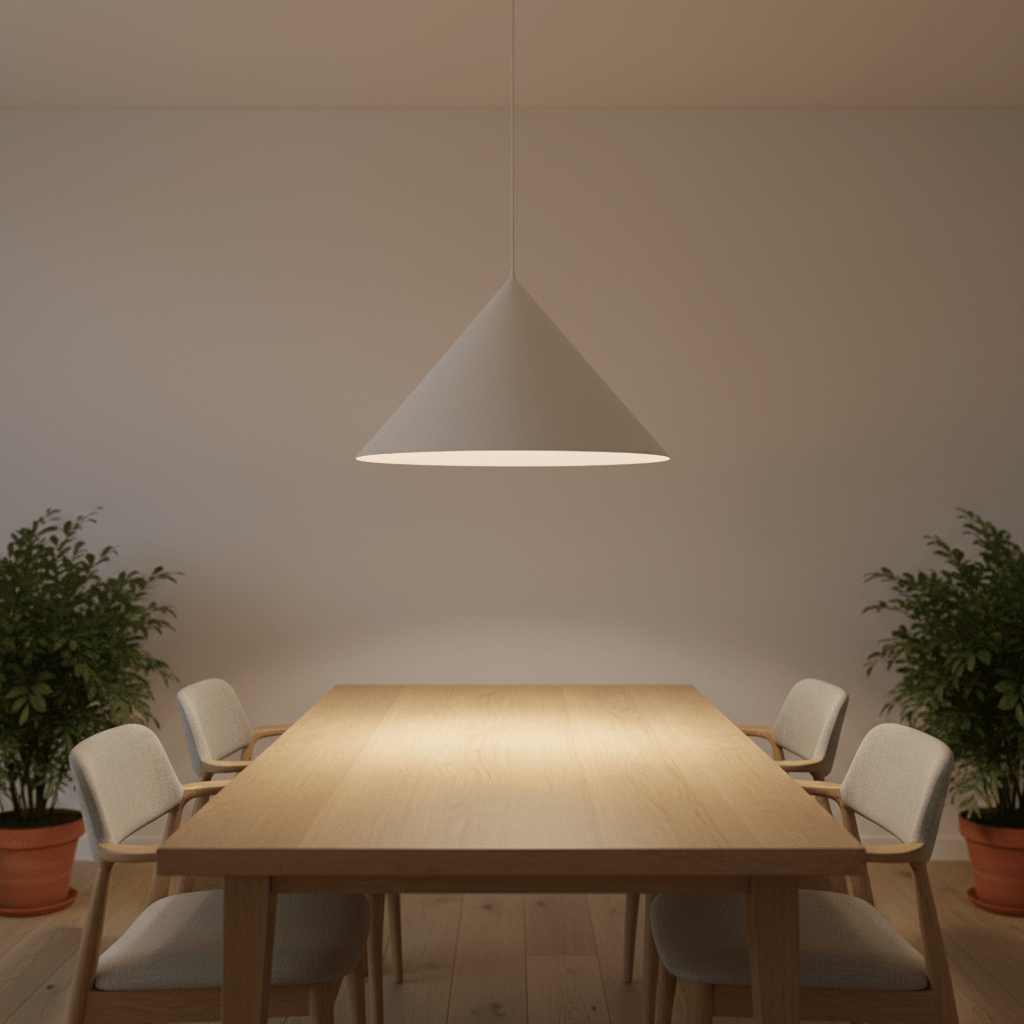
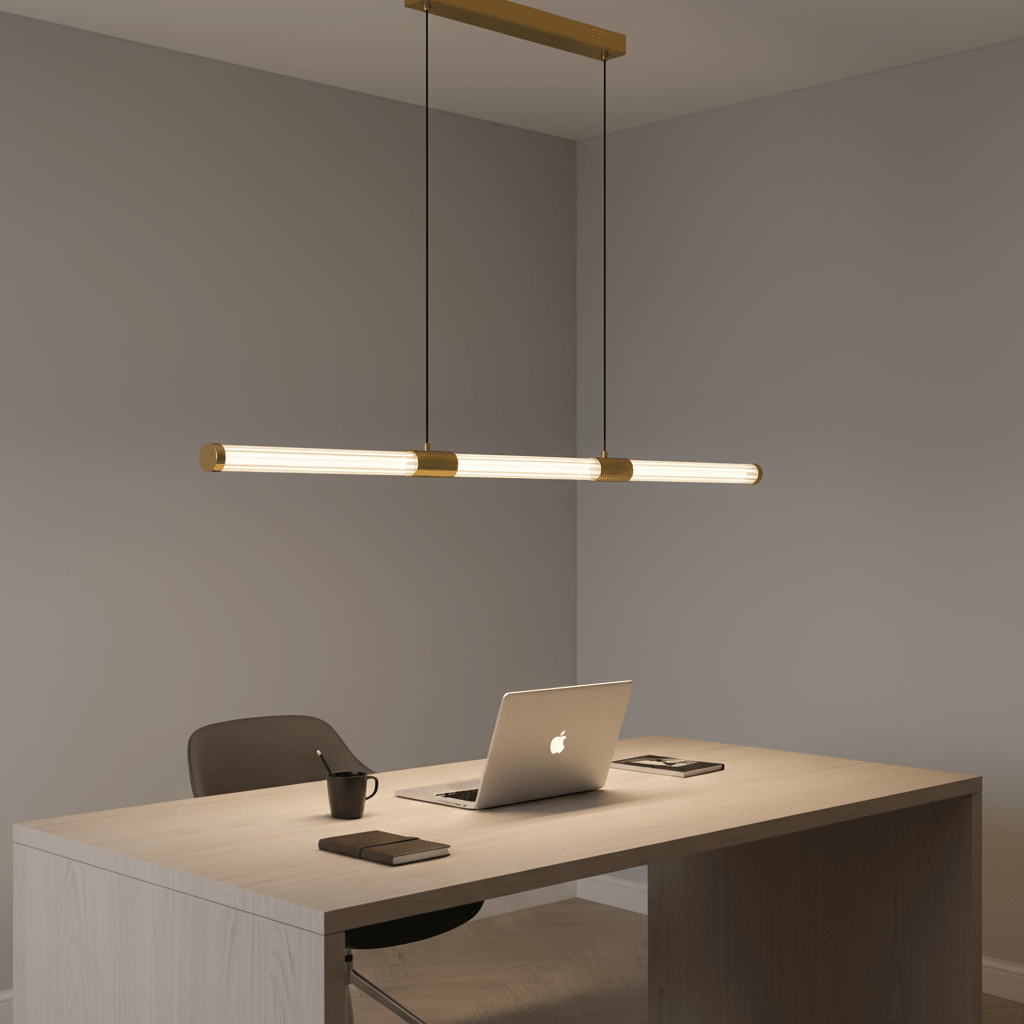
Pendant lights should usually hang around 75–90cm above a kitchen island or dining table, measured from the surface below to the bottom of the pendant. This is a practical starting point that gives good light while keeping the fitting clear of sightlines.
The exact height depends on the pendant size, ceiling height and how the space is used. A larger shade may need to sit slightly higher to avoid feeling heavy. A smaller pendant may look better a little lower. Above a dining table, the pendant should create intimacy without blocking conversation across the table.
For walkways, foyers and open areas, allow enough head clearance. A pendant in a passage or entrance should not sit where people can bump into it. For high ceilings and stairwells, cluster pendants can use staggered drops to create drama while still remaining practical.
In short: Start with 75–90cm above tables and islands, then adjust based on the fitting size, ceiling height and sightlines.
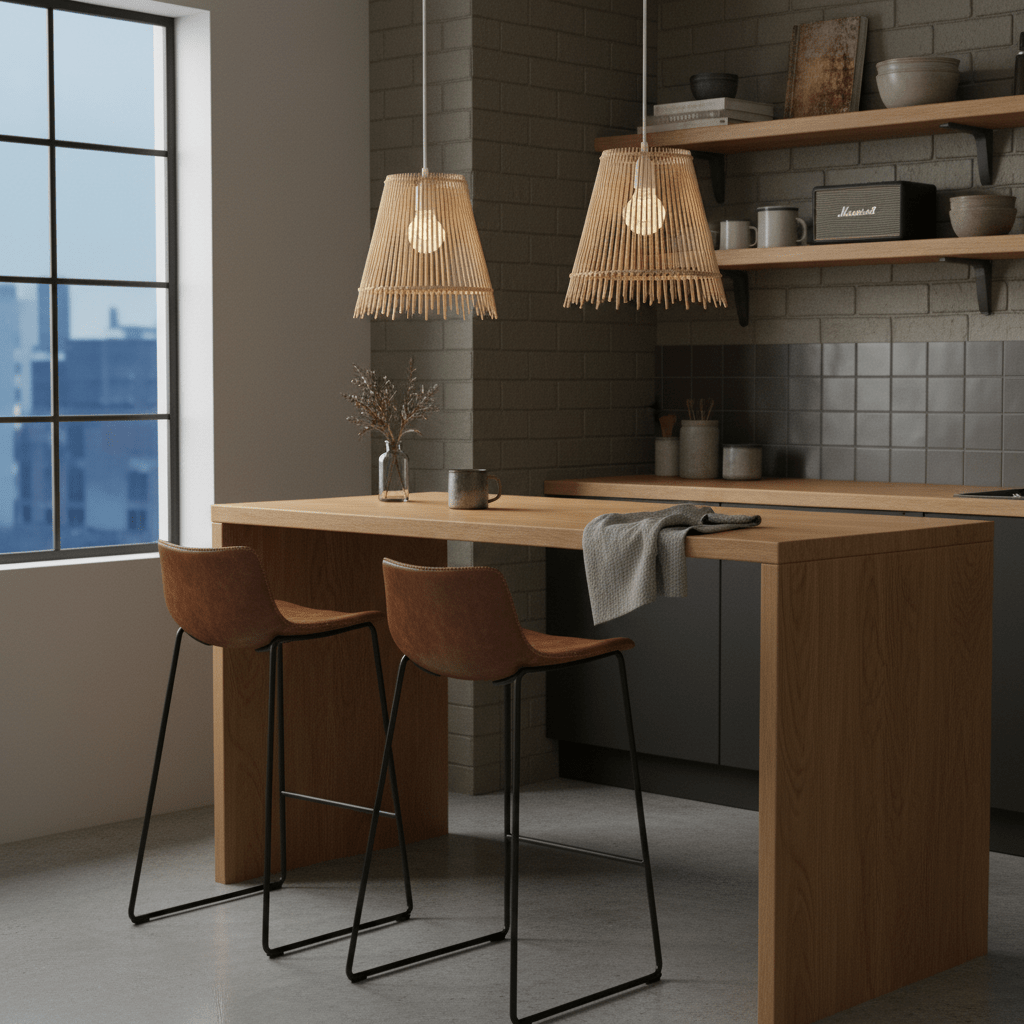
What colour temperature is best for pendant lights?
Warm White is usually best for pendant lights in homes, restaurants and hospitality spaces. For most kitchens, dining rooms, bedrooms and lounges, 2700K–3000K creates the most comfortable and inviting atmosphere.
Cool White around 4000K can work well in offices, retail spaces, work counters and practical task areas where a cleaner look is needed. It gives better visibility but can feel less relaxed than Warm White. Daylight around 6000K is rarely the best choice for decorative pendants unless the space is highly task-focused.
For Cape Town interiors, Warm White pairs beautifully with timber, stone, brass, black metal, textured walls and natural materials. It also makes dining and hospitality spaces feel more welcoming. If the pendant is used above a work surface, consider using dimmable lamps or CCT-adjustable fittings where possible.
| Colour Temperature | Best Use | Room Feel |
|---|---|---|
| 2700K–3000K Warm White | Dining rooms, kitchens, lounges, restaurants | Warm, inviting and relaxed |
| 4000K Cool White | Offices, retail counters, task-focused areas | Clean, balanced and practical |
| 6000K Daylight | Utility or high-visibility task spaces | Bright, crisp and more clinical |
In short: Choose Warm White for most pendant lighting and Cool White only where task visibility matters more.
How many pendant lights do you need over a kitchen island?
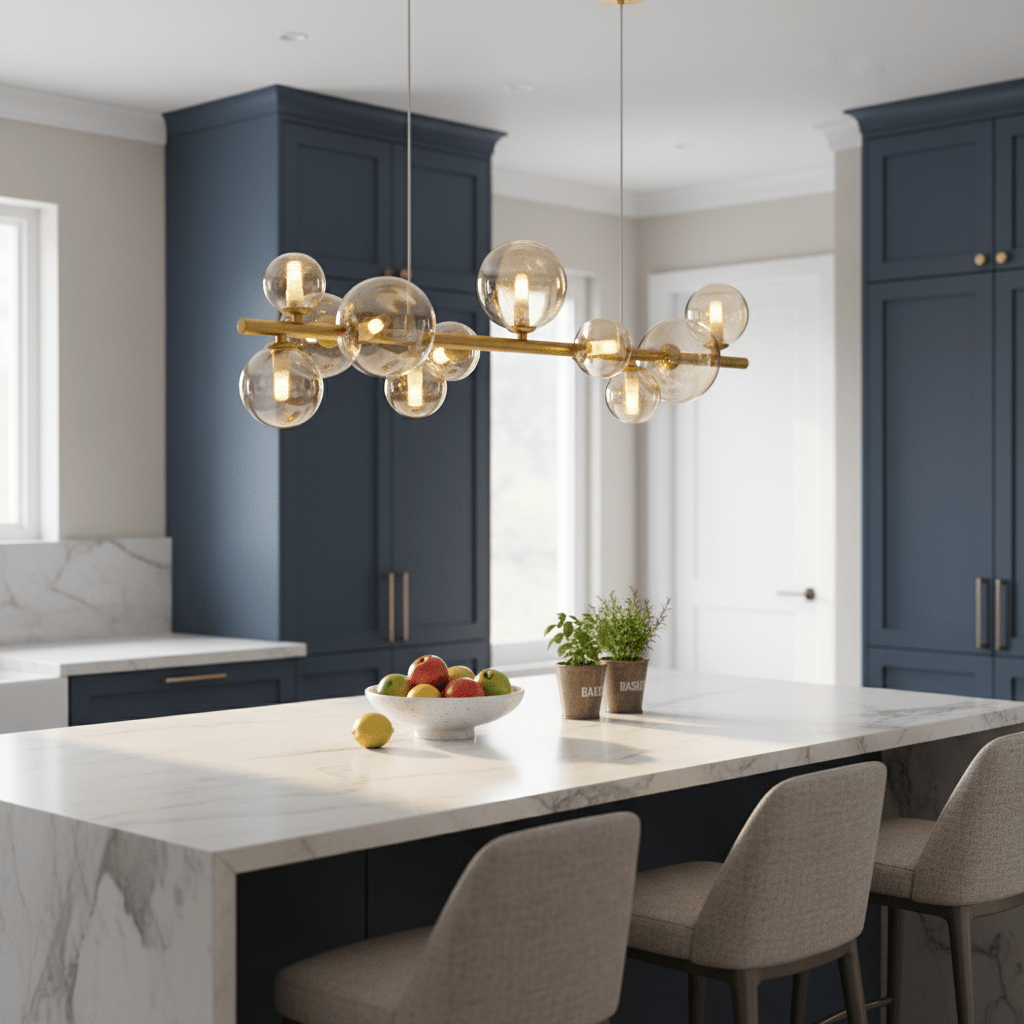
The number of pendant lights over a kitchen island depends on the island length, pendant size and spacing. For smaller islands, two pendants may be enough. For longer islands, three pendants often feel balanced. Very large linear islands may need multiple pendants or one long linear pendant.
As a general styling rule, leave enough space between pendants so they do not feel crowded. Also leave space at both ends of the island so the lights feel centred and balanced. The pendant should light the work surface without blocking views across the kitchen.
Large statement pendants need more breathing room. Smaller pendants can be grouped more closely. If the island is also used for dining, homework or entertaining, dimmable lighting is useful because the space needs to shift from task lighting to softer evening ambience.
In short: Use two pendants for smaller islands, three for longer islands, or one linear pendant for a clean modern look.
How do you style pendant lights properly?
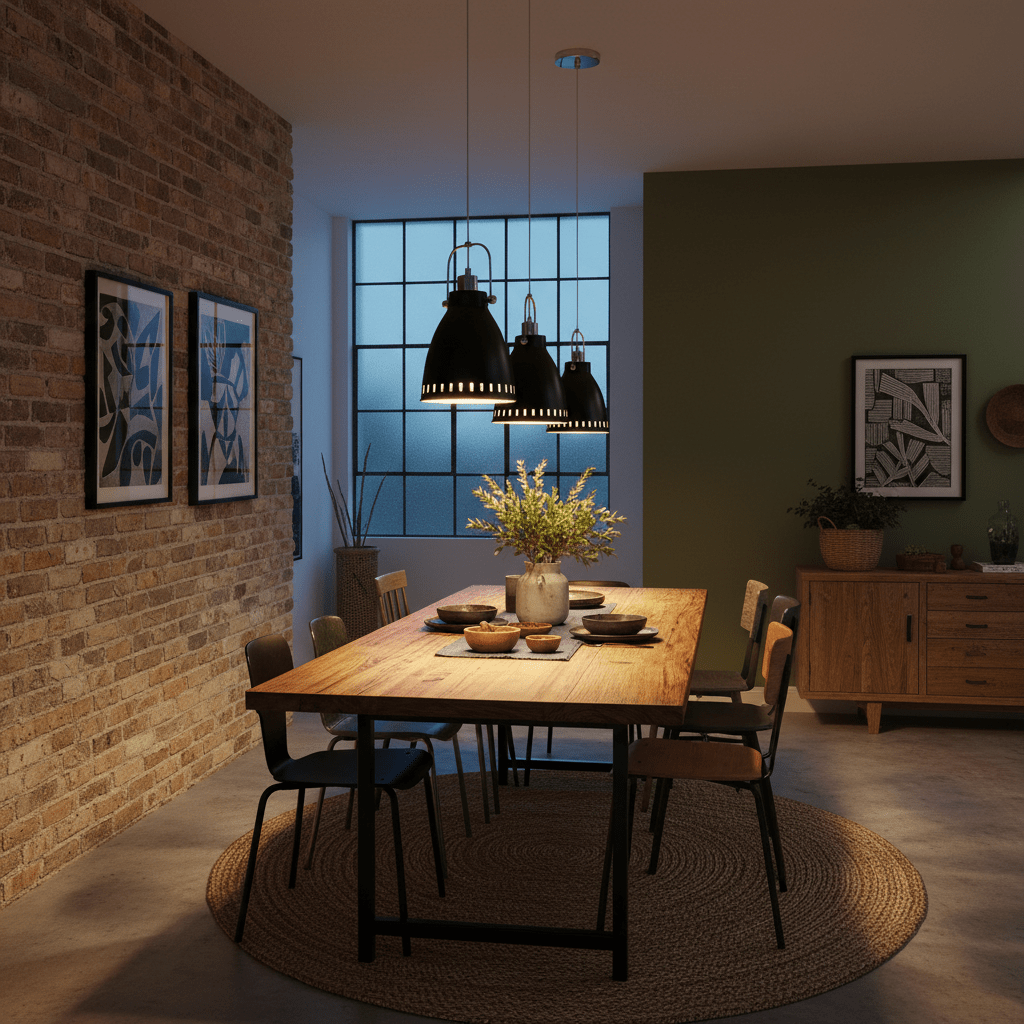
To style pendant lights properly, match the fitting to the scale, material and mood of the room. A pendant should look intentional from both close up and across the room. The finish should connect with other details like handles, taps, chair legs, mirrors, artwork frames or furniture accents.
Black pendants work well in modern and industrial interiors. Brass, bronze and gold finishes add warmth. Glass pendants feel lighter and suit spaces where you do not want the fitting to look too heavy. Woven or natural-texture pendants can suit relaxed, coastal and organic interiors.
Also consider the bulb. A beautiful pendant can be ruined by a harsh or exposed lamp. Use warm decorative globes where the bulb is visible and make sure the brightness is suitable for eye-level comfort. Dimmable setups are often worth considering for dining rooms and hospitality spaces.
- Match finishes: Connect the pendant to handles, taps, frames or furniture legs.
- Check scale: The pendant should suit the table, island or room size.
- Control glare: Choose suitable bulbs and diffuser styles.
- Use odd numbers: Three pendants often work well over longer islands.
- Keep balance: Centre the pendant over the feature it lights.
Are pendant lights good for commercial spaces?
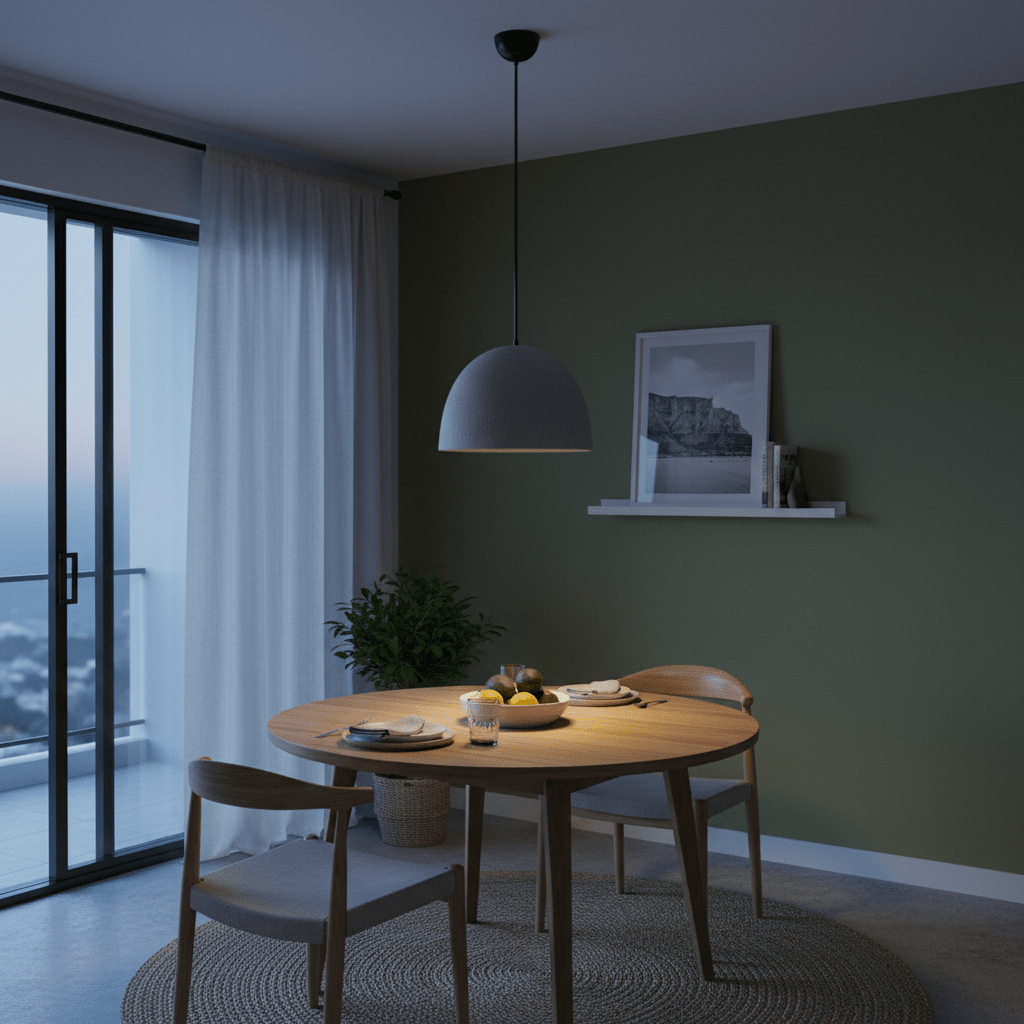
Pendant lights are excellent for commercial spaces because they add atmosphere, brand character and focused lighting at the same time. Restaurants, cafés, hotels, boutiques, salons, offices and reception areas all use pendants to create more memorable interiors.
In hospitality spaces, pendants help make tables and lounge areas feel warmer and more intimate. In retail stores, pendants can draw attention to counters, displays and feature zones. In offices, they can soften meeting rooms and breakaway spaces where standard ceiling lighting feels too plain.
Commercial pendant lighting should balance durability, style and maintenance. If the fitting will be used for long hours, LED efficiency matters. If it is close to customers, glare control matters. If the space changes often, make sure the pendant placement still works with future furniture layouts.
In short: Pendant lights help commercial interiors feel more polished, more inviting and more brand-aligned.
Send Future Light your room size, ceiling height and installation area, and we can help you narrow down practical pendant lighting options.
Contact Future LightPendant light buying checklist
- Purpose: Task lighting, ambience, statement lighting or commercial presentation.
- Hanging height: Usually 75–90cm above tables and kitchen islands.
- Ceiling height: Make sure there is enough clearance in walkways and entrances.
- Colour temperature: 2700K–3000K for warmth, 4000K for cleaner task visibility.
- Scale: Match pendant size to the island, table or room volume.
- Bulb compatibility: Check lamp holder, wattage limit and dimming suitability.
- Installation: Confirm wiring, ceiling support and switching before ordering.
Where can you buy pendant lights in Cape Town?
You can buy pendant lights in Cape Town online from Future Light, with options for kitchens, dining rooms, bedrooms, restaurants, retail stores, offices and commercial interiors. Shopping online makes it easier to compare styles, sizes, finishes and colour temperatures before choosing.
Future Light offers a wide selection of pendant lighting for different needs, from modern LED pendants and glass pendants to industrial fittings, clusters and statement designs. Whether you are upgrading a kitchen island or lighting a hospitality space, the right pendant can make the room feel more complete.
If you are unsure what to choose, start with the application. Kitchen islands need practical task lighting. Dining rooms need warmth and scale. Commercial spaces need durability and atmosphere. Bedrooms may need softer, smaller pendants with careful switching.
Key takeaways
- Pendant lights are ideal for kitchen islands, dining tables, bedrooms, restaurants and commercial spaces.
- Warm White 2700K–3000K is best for most home and hospitality pendant lighting.
- Cool White 4000K works better for task-focused or commercial areas.
- Pendants should usually hang around 75–90cm above kitchen islands and dining tables.
- Use two or three pendants over kitchen islands depending on the island length and pendant size.
- Always check scale, ceiling height, bulb compatibility, dimming and installation support before buying.
Frequently asked questions about pendant lights
What are pendant lights used for?
Pendant lights are used for task lighting, ambient lighting and decorative feature lighting. They work well above kitchen islands, dining tables, counters, bedside areas, restaurants and retail spaces.
How high should pendant lights hang above a kitchen island?
Pendant lights usually hang around 75–90cm above a kitchen island or dining table, measured from the surface to the bottom of the pendant. Adjust slightly based on pendant size and ceiling height.
What colour temperature is best for pendant lights?
Warm White 2700K–3000K is best for most pendant lights in homes, dining rooms and hospitality spaces. Cool White around 4000K is better for task-focused or commercial spaces.
How many pendant lights do I need over a kitchen island?
Smaller islands often need two pendant lights, while longer islands often look balanced with three. One linear pendant can also work well for a clean modern look.
Are LED pendant lights energy efficient?
Yes, LED pendant lights are energy efficient and use less electricity than older lamp technologies. They are suitable for regular use in homes and commercial spaces.
Can pendant lights be used in bedrooms?
Yes, pendant lights can be used in bedrooms, especially beside beds where they save space on bedside tables. Switching and hanging height should be planned carefully.
Do pendant lights need professional installation?
Hardwired pendant lights should be installed by a qualified electrician. Proper wiring, ceiling support and safe mounting are important for long-term performance.
Where can I buy pendant lights in Cape Town?
You can buy pendant lights in Cape Town from Future Light online. The range includes LED pendants, glass pendants, industrial pendants, clusters and statement lighting options.
Conclusion
Pendant lights are a stylish and practical lighting choice for Cape Town homes, restaurants, offices and commercial interiors. They help define spaces, add atmosphere and create a clear focal point where the room needs it most.
The best pendant light depends on the space below it. Choose warmer pendants for dining and relaxed interiors, more focused options for kitchens and counters, and statement designs where the fitting needs to become part of the décor. Pay attention to hanging height, scale, brightness, colour temperature and installation quality.
Explore pendant lights, browse more indoor lighting, or contact Future Light if you need help choosing the right pendant light for your space.


