



In Joburg, where summer nights hum gently with the sound of crickets, there’s nothing worse than a noisy ceiling fan interrupting your sleep. Whether you’re in Bryanston, Blairgowrie or out in Roodepoort, getting a quiet, stylish ceiling fan that compliments your bedroom and doesn't whirr like a helicopter is a non-negotiable.
At Future Light, we’ve helped countless Johannesburg customers select energy-efficient, whisper-quiet ceiling fans that bring both breeze and beauty into the bedroom. One of our customers described switching from an old noisy model to a new silent one “like going from a vuvuzela to a violin.” We hear you, SA — and we’re here to help you breathe cool, quiet air the smart way.
Key Takeaways
- Choose DC motor fans for ultra-quiet operation in bedrooms
- Airflow and blade design matter just as much as motor type
- Fan size should match your Johannesburg room layout
- Integrated lighting? Look for adjustable CCT and high CRI
- Shop for ceiling fans with energy-saving capabilities
- Installation height and building layout impact noise and airflow

What Makes a Ceiling Fan Quiet in Johannesburg Bedrooms?
Understanding Motor Types: AC vs. DC
In the highveld stillness of a Johannesburg evening, the type of motor in your ceiling fan plays a starring role in maintaining your peace. AC motors — while traditionally robust — can produce audible hums or vibrations over time. DC motors, on the other hand, are whisper-quiet and use significantly less energy, ideal if you want to pair comfort with your solar panels or inverter system.
We helped a couple in Northcliff upgrade their rustling AC fan to a sleek DC model. Their feedback? "It felt like switching from a clunky gate to a silent smart lock." Check out our ceiling fan collection for models with state-of-the-art DC tech. For more info on energy-efficient motors, Eskom’s official site offers great performance guidelines.
DC motors not only reduce dB levels but minimise flickering or electronic interference in setups with LED downlights, especially when dimming is used. Little benefit if your bedroom lighting is sleek, but your fan is buzzing away overhead.
Micro Summary: DC motors are the quiet, energy-efficient heroes ideal for peaceful Johannesburg bedrooms.
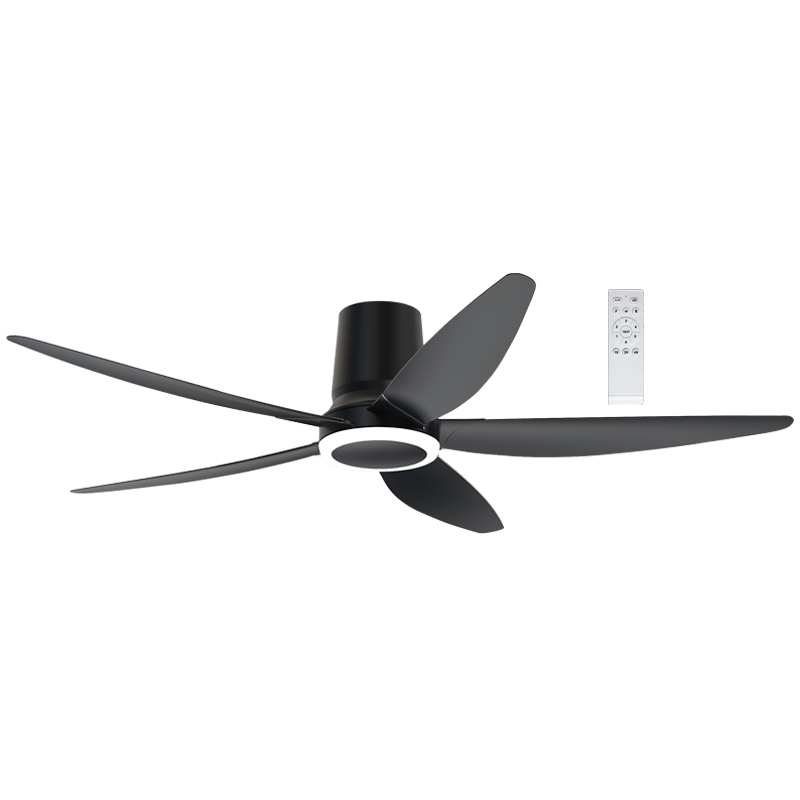
Optimal Fan Blade Design for Quiet Airflow
Blade design impacts noise just as much as the motor. For example, fans with fewer but larger blades typically spin slower and smoother, resulting in less turbulence. Curved aerodynamic blades glide through the air efficiently, reducing chopping noise — perfect for a quiet night in Houghton or Parkhurst.
One Braamfontein customer popped into our showroom looking for a ceiling fan that won’t “disturb his cat’s meditation routine”. We hooked him up with a 3-blade design featuring dust-resistant ABS blades. It’s been purrs all around. Explore our recommended quiet blade options under Home Lights or Rechargeable Fans. Learn more about blade acoustics via this insightful U.S. Energy Department article.
Equipped with balanced weight and composite materials, quality blades also prevent vibrations. Look for fan designs with blade pitch angles of 12–15° for ideal noise–flow ratio.
Micro Summary: Blade count, shape, and pitch all play a major role in bedroom fan noise performance.

What Size Fan Works Best in Your Bedroom?
Size matters when it comes to ceiling fans — especially in uniquely shaped South African bedrooms. A fan that’s too small will spin harder (noisier), while one too large can feel overbearing, especially in apartments or older homes in Melville. For bedrooms up to 20m², a 42” fan is ideal. Go up to 52” if your bedroom boasts high ceilings and space.
A customer in Sandton installed a 60” fan over a double bed and noticed increased noise due to excessive airflow bouncing off narrow walls. We swapped it for a 48” model, and suddenly — peace. Browse bedroom light additions or pendant lighting to balance visual symmetry. For deeper insights, refer to the sizing chart from Hunter Fan Co.
Match size to usable space, not roof volume. And always allow at least 2.1 metres from blade to floor, per South African height regulations.
Micro Summary: Proper fan size ensures balanced, quiet airflow suited to your Joburg bedroom's layout.
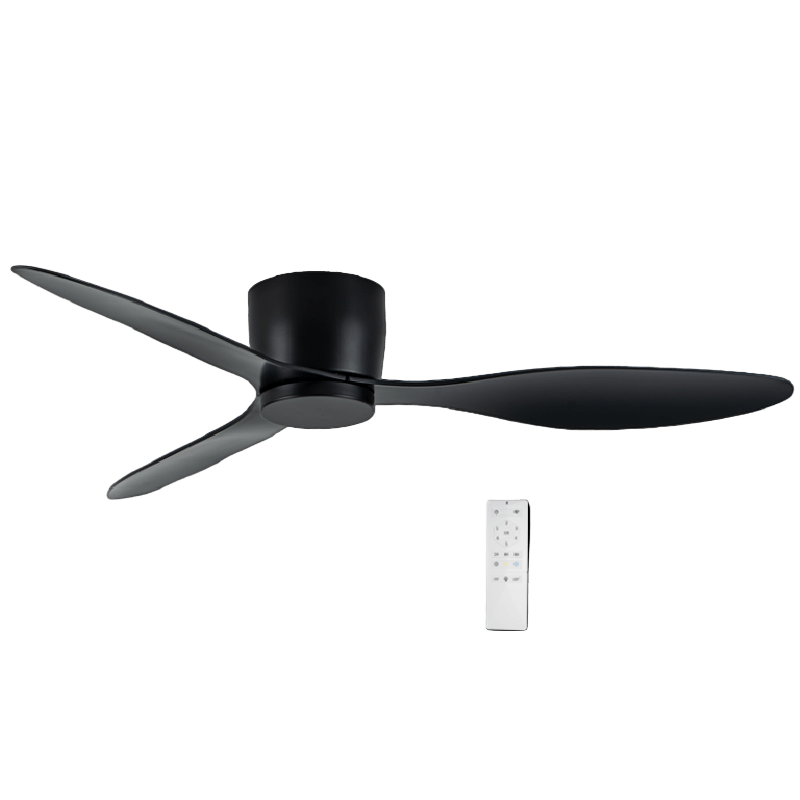
Quiet ceiling fan performance starts with the right blend of motor, blade design, and size — a trio as essential as pap, wors, and chakalaka.
Smart Features & Lighting for Johannesburg Comfort
Built-In LED Lighting: Choose Wisely
If your bedroom ceiling fan includes integrated lighting, make sure it doesn’t compromise the ambience. In SA homes, look for adjustable CCT (warm to cool) and a CRI (Colour Rendering Index) of 80+ for accurate skin tones — crucial if your fan light also doubles as your morning makeup station or evening reading nook in Fourways.
One Midrand tech installer came in needing a fan light bright enough to pair with LED mirrors and dimmable for pre-sleep wind-down. We fitted him with an integrated LED fan with tri-colour switching and it changed the game. For advanced lumen advice, check out the Lighting Design Lab.
Choose fans with light modules rated 3000K (warm white) or 4000K (neutral). Avoid 6000K where sleep depends on minimal blue light stimulation.
Micro Summary: Integrated fan lighting should feature high CRI, adjustable colour and dimmability for real Joburg versatility.

Remote Controls & Sensors
In the dead of night, no one wants to get up battling a duvet just to switch off the fan. Models offering remote or even voice control (via smart hubs) add a relaxed modern touch. In Johannesburg’s fast-paced lifestyle, convenience is an underrated peace-keeper.
We recently helped a Rosebank family integrate ceiling fans into their smart switch setup. Paired with motion and day-night sensor triggers, and they only touch controls for powering down the house. Take cues from CNET Smart Home guides for automation ideas.
Fans that include timer modes also help reduce overnight energy use — lights can fade, blades can slow, keeping energy and sleep cycles in harmony.
Micro Summary: Remote, sensor and smart controls add ultra-convenient luxury and silent automation to any SA bedroom.

Energy Efficiency and Nighttime Operation
In a city known for load-shedding woes, your ceiling fan’s energy profile makes a difference. Fans consuming less than 35 watts per hour with DC motors not only save energy, they reduce overheating and extend operation time on backup batteries and UPS systems common across SA homes.
One Glenvista resident specifically wanted a fan that could run alongside his battery backup. We paired him with a 5-speed reversible fan that limits watt draw and auto-regulates by temperature. Check out solar fan options for off-grid living comfort. Reference tools like IEA Energy Efficiency Reports when planning off-grid compatibility.
Compare watt draw and use nighttime mode fans that lower RPMs gently to preserve comfort and rest.
Micro Summary: Quiet ceiling fans that are energy-saving work better during SA’s frequent load-shedding nights.

Smart features and lighting harmonise with your ceiling fan, just like mieliepap balances a Sunday braai — practical, effortless, essential.
Quick Checklist
- Choose a DC motor for low energy and noise
- Ensure blade pitch and design match room size
- Look for high CRI integrated lighting with warm CCT
- Opt for remote controls or smart integration
- Ensure correct installation height and mounting hardware
Time to make your nights quieter and cooler. Explore our full ceiling fan collection, view our bestselling bedroom fan models, or read our related blog on lighting upgrades for the city of gold.
Frequently Asked Questions
Q1: What's the quietest type of ceiling fan?
Ceiling fans with DC motors are the quietest due to their smooth, low-vibration design and efficient speed regulation.
Q2: Are ceiling fans with lights noisier?
Not necessarily. Quality LED-integrated fan lights built with low-noise drivers won't add noticeable sound levels.
Q3: Can I run a ceiling fan on an inverter or battery?
Yes, especially if the fan has a low-power DC motor. Many models draw less than 35W, ideal for load-shedding backups.
Q4: How high should a ceiling fan be installed?
Ideally, between 2.1m – 2.7m from the floor to blade base for optimal airflow and South African safety compliance.
Q5: Which fan size suits a 12m² bedroom?
A 42” or 44” fan suits a 12m² room. It provides balanced airflow without overpowering or causing drafty discomfort.
Q6: Will ceiling fans affect my bedroom lighting ambience?
Fans with integrated dimmable lighting and adjustable CCT maintain ambiance while offering functionality.
Q7: Are remote-controlled ceiling fans better?
Yes, they offer convenience, noise-free operation, and compatibility with smart home setups — ideal for modern SA homes.
Q8: What’s better — more blades or less?
Fewer, larger blades (usually 3 or 4) are quieter and more efficient than multiple small blades spinning faster.


