


2026 Update: Colour-changing LED lights are one of the easiest ways to change the mood of a room without repainting, replacing furniture or committing to one fixed lighting style. From warm, relaxed evenings to bright party colours, RGB and RGBW lighting gives South African homes a flexible way to create different atmospheres from the same installation.
These lights work particularly well in lounges, bedrooms, gaming rooms, home cinemas, bars, kitchens, entertainment areas and covered patios. Depending on the product, you can adjust colour, brightness and lighting effects using a remote, controller, smartphone app or compatible smart home system.
At Future Light, our LED strip lights, LED striplight kits, RGB LED strip lights and compatible controllers make it possible to build anything from a simple television backlight to a complete colour-changing entertainment space.
What are colour-changing LED lights?
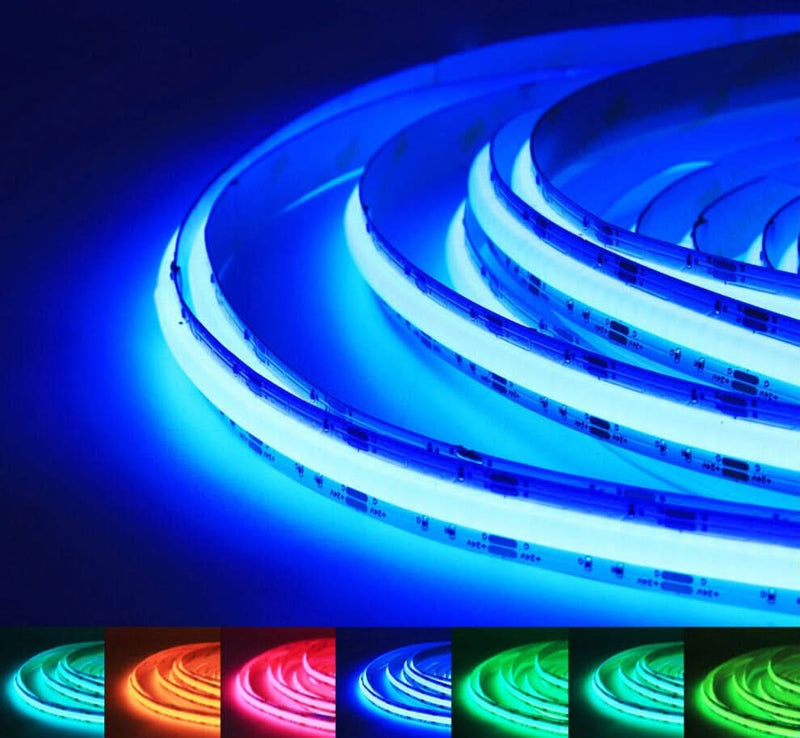
Colour-changing LED lights are lamps, strips or fittings that can produce multiple colours rather than one fixed shade of white. The most common type is RGB, which combines red, green and blue LEDs to create a wide range of colours. By adjusting the intensity of each colour channel, the light can produce different tones and effects.
RGBW lighting includes an additional white LED channel. This gives you colourful effects when wanted, but also provides a more useful white light for everyday use. For living rooms, kitchens and entertainment areas, RGBW is often a stronger all-round choice because it can shift between decorative colour and practical white lighting.
Most colour-changing lights are controlled by a remote, wall controller, smartphone app or smart home platform. Some systems also include dimming, timers, preset scenes, music modes and automatic colour transitions.
Why choose colour-changing LED lights?
The main advantage of colour-changing LED lights is flexibility. One lighting setup can create a calm evening atmosphere, a bright party effect, a themed gaming room or a subtle accent behind furniture. You are not limited to one colour or one mood.
LED technology also uses relatively little power compared with older decorative lighting options. This makes colour-changing strips and bulbs practical for regular use, especially as accent lighting that may stay on for several hours in the evening.
Another benefit is control. Many systems allow you to adjust both colour and brightness, so the lighting can become bold when entertaining and softer when relaxing. Some smart products can also be scheduled, grouped into rooms or controlled remotely.
- Flexible mood: Change colours to suit different rooms and occasions.
- Energy efficient: LED technology keeps power use relatively low.
- Dimmable: Adjust brightness as well as colour.
- Easy control: Use remotes, apps or compatible smart systems.
- Creative design: Highlight furniture, walls, ceilings and entertainment features.
What types of colour-changing LED lights are available?
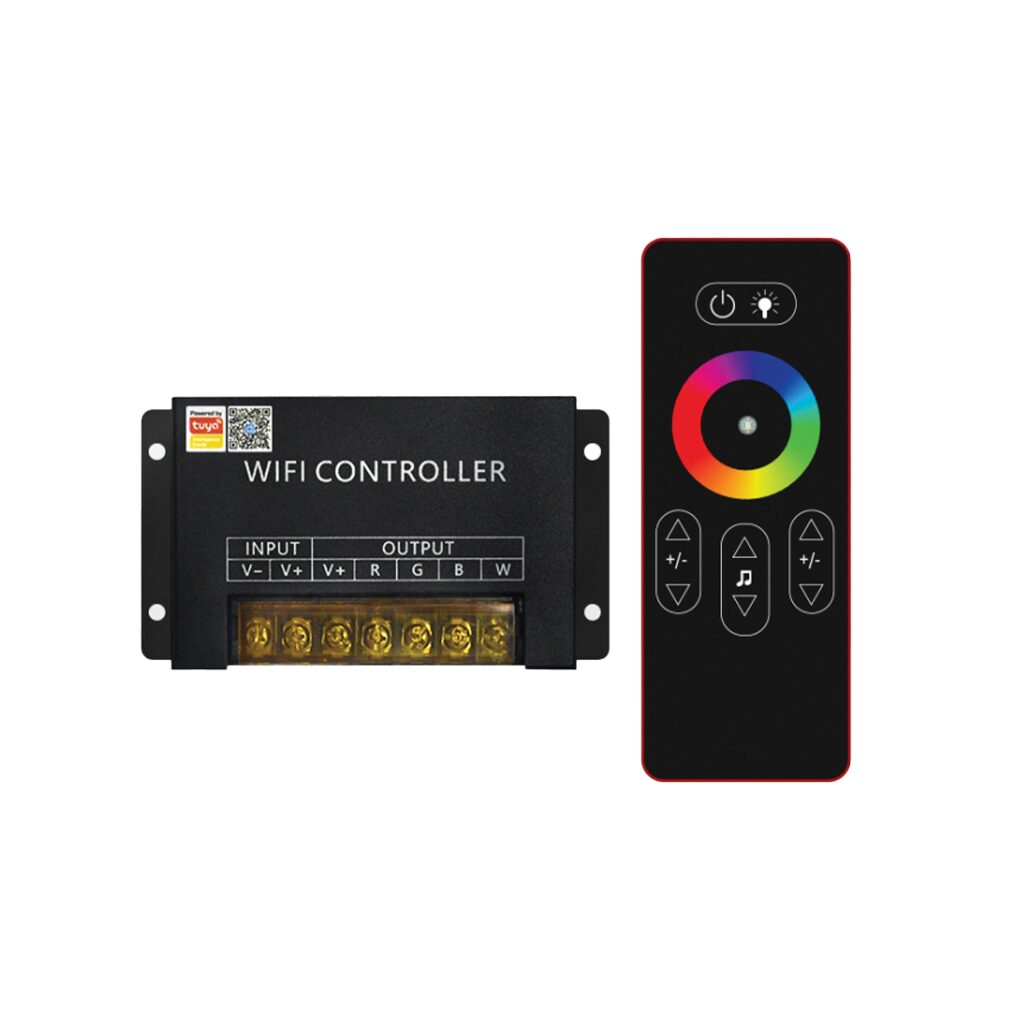
Colour-changing lighting is available in several formats, each suited to a different type of installation. RGB and RGBW LED strips are the most versatile because they can follow shelves, ceilings, cabinets, television units and architectural features. Colour-changing bulbs are useful when you want a simple upgrade using an existing fitting.
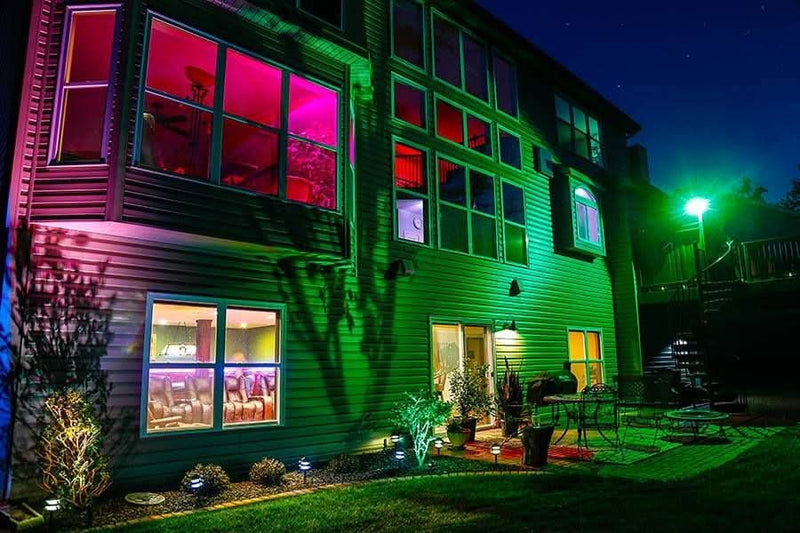
RGB floodlights are better for outdoor entertainment areas, gardens, façades and events where a wider spread of coloured light is needed. Colour-changing ceiling fittings and lamps are useful when you want a complete decorative fitting rather than concealed accent lighting.
The right option depends on whether you want visible decorative lighting, a hidden glow, practical white light or broad outdoor coverage.
- RGB LED strips: Best for concealed accents and flexible installations.
- RGBW LED strips: Add a dedicated white channel for more useful everyday lighting.
- Smart bulbs: Simple upgrades for lamps and compatible fittings.
- RGB floodlights: Useful for patios, events, gardens and façades.
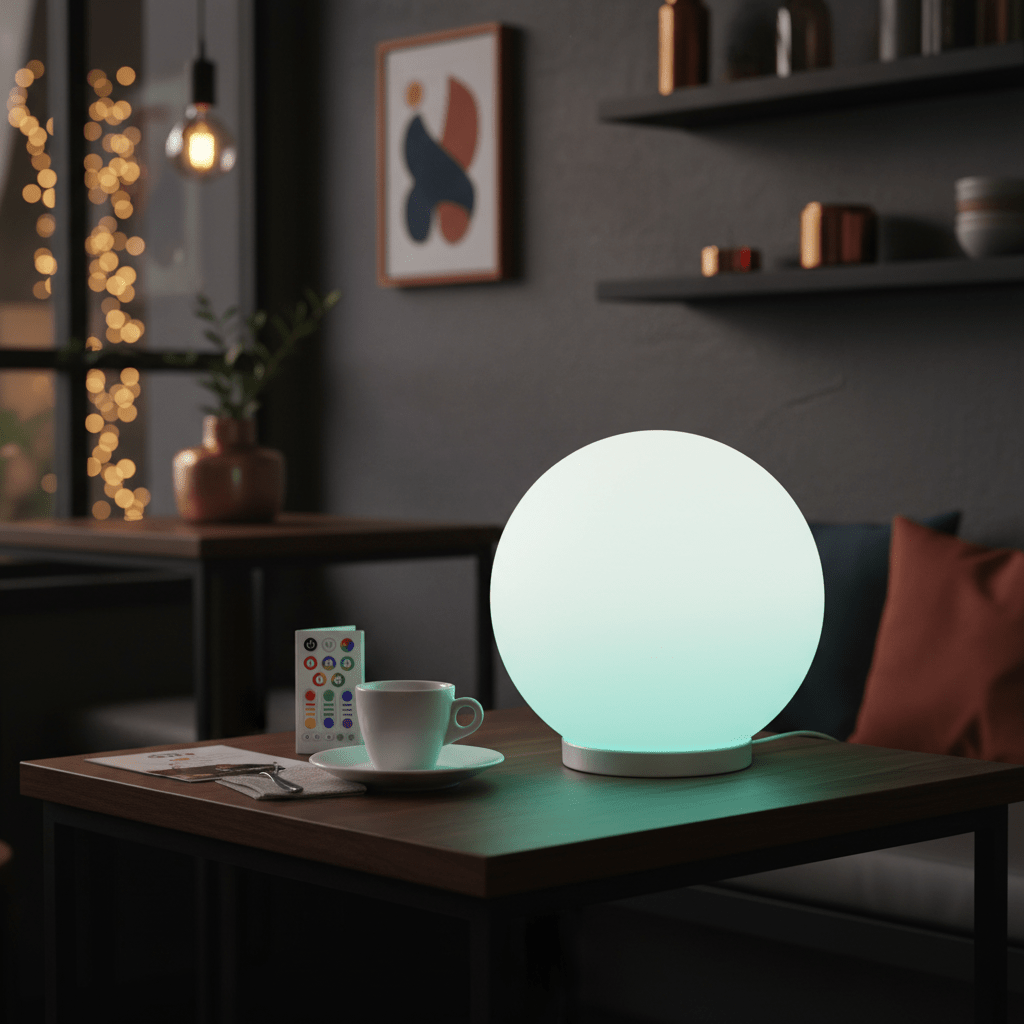
- Colour-changing lamps: Combine decorative styling with adjustable light.
Where should colour-changing LED lights be used?
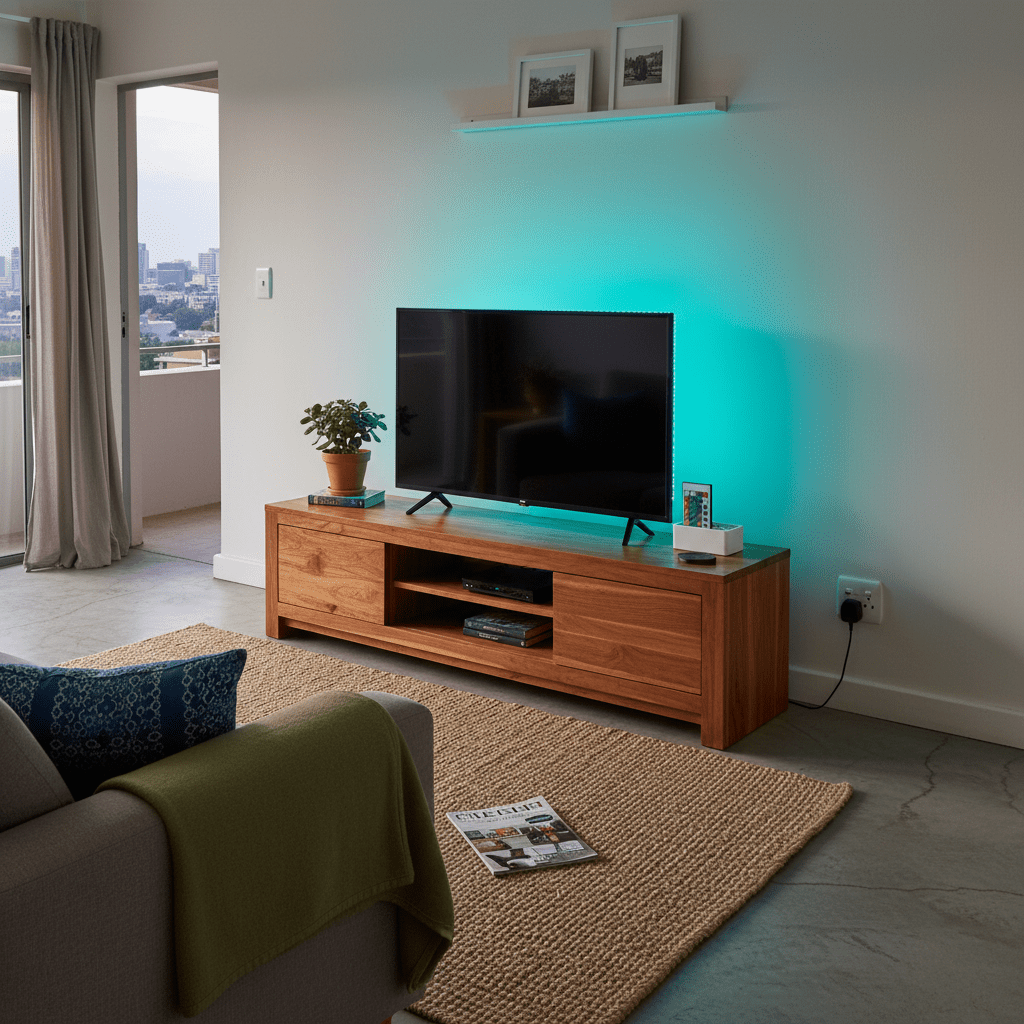
Colour-changing LED lights work best where lighting is part of the atmosphere. In lounges and home cinemas, they can sit behind televisions, media units or floating shelves. This reduces the visual contrast between a bright screen and a dark room while also adding a clean decorative effect.
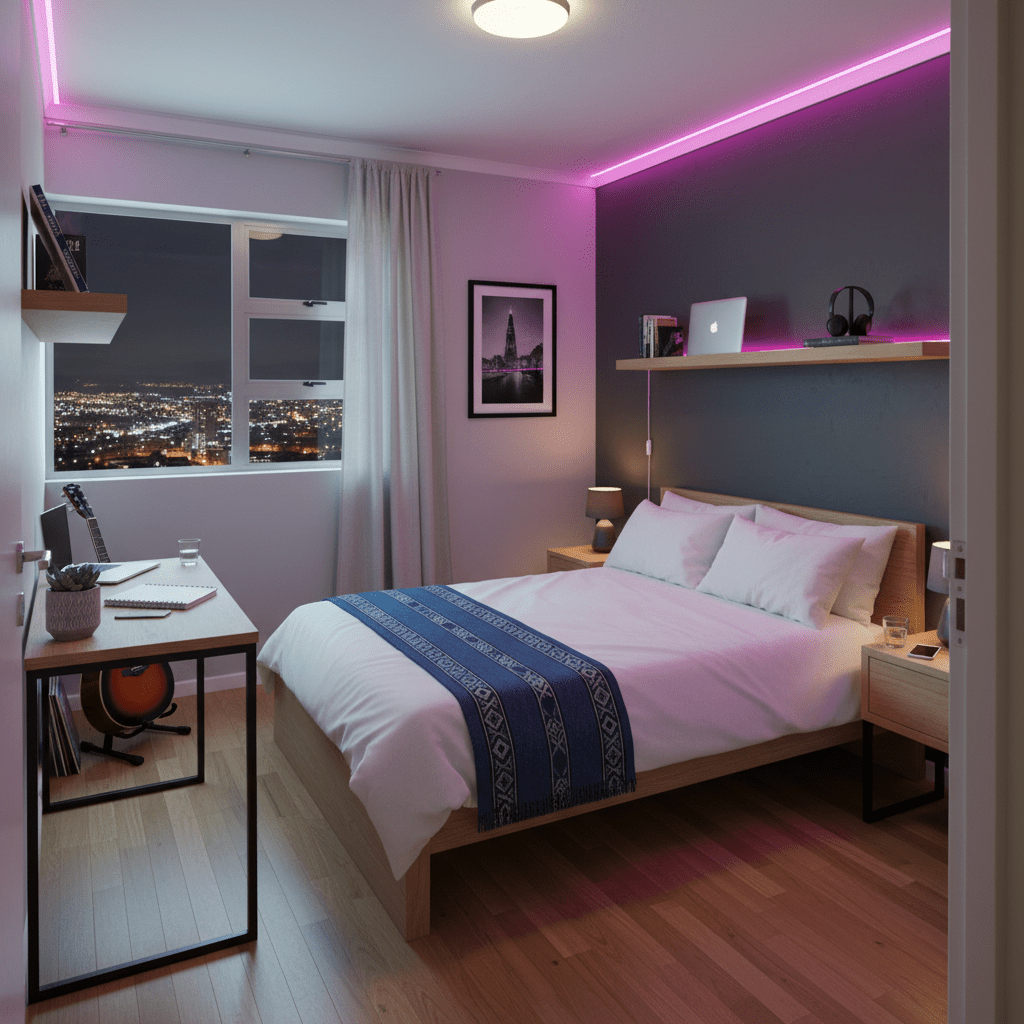
In gaming rooms and bedrooms, RGB strips can be installed behind desks, headboards, monitors or ceiling details. Kitchens and bars can use them below counters or inside display shelving, while patios and entertainment areas can use outdoor-rated colour-changing fittings for social occasions.
The strongest installations usually hide the light source and show only the glow. This creates a more polished result than placing the strip where every individual LED is directly visible.
- Living rooms: Behind television units, shelves and furniture.
- Bedrooms: Behind headboards, under beds or along ceiling features.
- Gaming rooms: Around desks, monitors and display shelving.
- Kitchens: Under cabinets, counters and bar areas.
- Patios: Outdoor-rated systems for covered entertainment zones.
What is the difference between RGB and RGBW lighting?
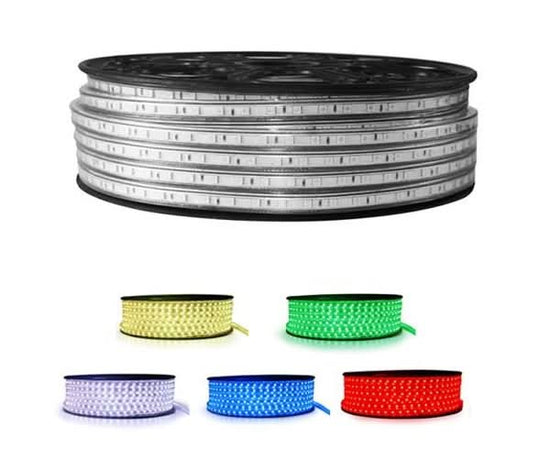
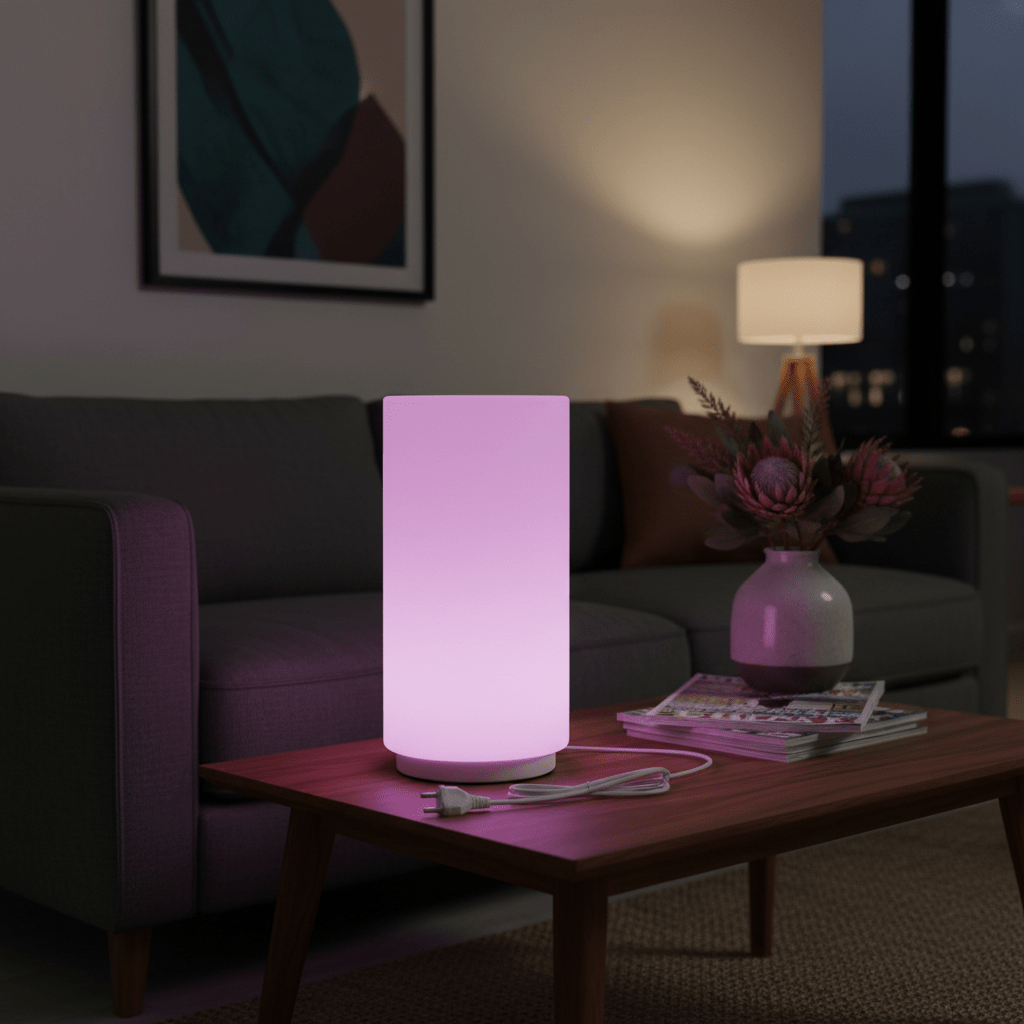
RGB lighting uses red, green and blue LEDs to create different colours. When all three channels operate together, the system can create a form of white light, but this mixed white is usually not as natural or practical as a dedicated white LED.
RGBW adds a separate white channel. This produces better everyday white light while keeping the full colour-changing capability. Some RGBW strips use Warm White, while others use Cool White, so always check the product specifications before choosing.
If the installation is mostly decorative, standard RGB may be enough. If the strip must also provide useful white lighting for a kitchen, lounge or multipurpose room, RGBW is usually worth considering.
| Lighting Type | Colour Channels | Best Use |
|---|---|---|
| RGB | Red, green and blue | Decorative colour and party effects |
| RGBW | Red, green, blue and dedicated white | Colour effects plus practical white lighting |
How should colour-changing LED strip lights be installed?
Start by planning the full route of the strip before removing any adhesive backing. Measure the length, decide where the controller and power supply will sit, and check how corners, gaps and cable routes will be handled. This prevents awkward joins and visible wiring later.
The mounting surface must be clean, dry and smooth. Dust and grease weaken adhesive, especially below kitchen cabinets or behind television units. For a longer-lasting and more professional installation, place the strip inside an LED profile rather than relying only on adhesive tape.
Only cut LED strip lights at the marked cutting points. Cutting elsewhere can damage the circuit. The power supply must match the voltage and total wattage of the strip, while the controller must be compatible with RGB or RGBW operation.
- Plan the layout: Measure the complete installation route.
- Check compatibility: Match the strip, controller and power supply.
- Prepare the surface: Clean and dry the mounting area.
- Cut correctly: Use only the marked cutting points.
- Mount securely: Use a profile, clips or suitable adhesive.
- Test first: Confirm all colours work before final mounting.
Do colour-changing LEDs work with smart homes?
Many colour-changing LED products can work with smart home systems, but compatibility depends on the controller. Smart RGB and RGBW controllers may allow you to adjust colours, brightness, scenes and schedules through an app.
Some products can also work with compatible voice assistants or automation routines. For example, you may create a relaxed evening scene, a movie scene or a brighter entertainment setting and activate it without manually selecting every colour each time.
Before buying, confirm whether the system uses Wi-Fi, Bluetooth, a dedicated remote or another communication method. A standard remote-controlled RGB strip is convenient, but it is not automatically a smart home product.
Creative ways to use colour-changing LED lights
Colour-changing LEDs are most effective when they are used to highlight specific parts of a room rather than covering every surface. A soft glow behind a television, headboard, shelf or counter can create more impact than installing visible strips around the full ceiling.
Artwork and display shelves can be highlighted using a colour that supports the objects on display. In kitchens and bars, strips below counters can switch between practical white light and decorative colour. In bedrooms, low-level lighting below the bed can create a floating effect while also acting as soft guidance light.
Seasonal scenes are another useful option. You can use warm amber tones for autumn, red and green for festive displays, or the colours of a favourite sports team during a match. The lighting can change without permanently altering the room.
- Television backlighting: Adds atmosphere and reduces harsh screen contrast.
- Floating shelves: Highlights books, artwork and décor.
- Under-bed lighting: Creates a soft floating effect.
- Kitchen counters: Switches between task lighting and entertainment colour.
- Gaming desks: Adds colour behind screens and equipment.
- Seasonal displays: Changes the room for celebrations and events.
Colour-changing LED light buying checklist
- Lighting type: Choose RGB for colour effects or RGBW for colour plus better white light.
- Application: Decide whether the lights are for a bedroom, lounge, kitchen, gaming room or patio.
- Control method: Choose remote, app, wall controller or smart home control.
- Voltage: Match the strip, controller and power supply correctly.
- Wattage: Size the power supply for the full strip length.
- IP rating: Use outdoor-rated products for patios and exposed areas.
- Installation finish: Use LED profiles where you want a neat, durable result.
- White light: Choose RGBW if the installation must also provide practical everyday lighting.
Key takeaways
- Colour-changing LED lights let you adjust the atmosphere without permanently changing the room.
- RGB lighting is best for decorative colour, while RGBW also provides a dedicated white channel.
- LED strips work well behind televisions, shelves, headboards, counters and gaming desks.
- Smart controllers can add app control, schedules and preset scenes.
- Correct power supply and controller compatibility are essential.
- LED profiles give strip lighting a cleaner and more durable finish.
- Outdoor installations need suitable weather-resistant products.
Frequently asked questions about colour-changing LED lights
What are colour-changing LED lights?
Colour-changing LED lights are bulbs, strips or fittings that can produce multiple colours. They are usually controlled using a remote, smartphone app, controller or compatible smart home system.
What is the difference between RGB and RGBW?
RGB uses red, green and blue LEDs to create colours. RGBW adds a dedicated white LED channel, which produces better white light for practical everyday use.
Are colour-changing LED lights energy efficient?
Yes, they use LED technology and generally consume less electricity than older decorative lighting options. Actual power use depends on the product wattage and installation length.
Can colour-changing LED strips be cut?
Many LED strips can be cut, but only at the marked cutting points. Always check the product instructions before cutting.
Can colour-changing LED lights work with a smartphone?
Yes, if the product includes a compatible Wi-Fi, Bluetooth or smart controller. Standard remote-controlled systems do not automatically include app control.
Can I use RGB LED lights outdoors?
Yes, but the strip, controller, connectors and power supply must all be suitable for the outdoor environment and protected according to their IP ratings.
Do colour-changing LED lights provide normal white light?
RGB systems can mix colours to create a form of white, but RGBW systems have a dedicated white channel and usually provide a better everyday white light.
Where can I buy colour-changing LED lights in South Africa?
You can buy RGB and RGBW LED strip lights, controllers, power supplies and striplight kits from Future Light online.
Conclusion
Colour-changing LED lights are a flexible way to give a room more atmosphere, personality and control. They can turn a quiet lounge into a home cinema, give a gaming room more energy, add colour below a kitchen counter or create an entertaining outdoor setting.
The best setup depends on whether you want decorative colour only or useful white light as well. Choose RGB for bold colour effects, RGBW for a more versatile installation, and make sure the controller and power supply match the strip correctly.
Explore RGB LED strip lights, browse LED striplight kits, or compare more LED strip lighting options at Future Light.


