



Bollard light fixtures are one of the most practical ways to make an outdoor space safer, more usable and better looking after dark. Whether you are lighting a garden path, driveway, estate walkway, hotel entrance, office park or coastal property, bollard lights give you controlled low-level illumination without flooding the whole area with harsh light.
In South African homes and commercial spaces, outdoor lighting needs to do a proper job. It must handle weather, improve visibility, help people move safely at night, and still look good during the day. Bollard lights tick those boxes well because they are sturdy, visible, decorative and functional.
At Future Light, we often recommend bollard lighting where customers want a more finished outdoor look without relying only on wall lights or floodlights. A well-placed bollard creates a guided route, highlights landscaping, and adds a calm, structured feel to outdoor areas. The trick is choosing the right fitting, spacing it correctly, and making sure the style suits the property.
What are bollard light fixtures?
Bollard light fixtures are short outdoor light posts designed to illuminate paths, driveways, garden edges, entrances and landscaped areas. They are usually installed at ground level and provide a controlled spread of light close to where people walk or drive. Unlike floodlights, which throw strong light across a wide area, bollard lights create a more comfortable and guided lighting effect.
You will often see bollard lights in parks, estates, hotels, shopping centres, office parks and modern residential gardens. They help people see where they are going without making the outdoor space feel overlit. This makes them especially useful for pathways, stair approaches, low walls, courtyards, pool surrounds and areas where safety matters but style still plays a big role.
From a design point of view, bollard lights also help define the shape of an outdoor area. During the day, the fittings become part of the landscaping. At night, they create rhythm and direction. When spaced correctly, they can lead the eye through the garden or along a walkway in a clean, professional way. This is why bollards are so popular in both residential and commercial outdoor lighting projects.

Why choose bollard lights for outdoor spaces?
Bollard lights are a strong choice when you want outdoor lighting that feels intentional rather than random. They are excellent for guiding movement through a space, especially where people need to walk safely at night. Pathways, driveways, steps, low garden borders and entrances all benefit from the steady visibility that bollard lights provide.
They also add a layer of security without making the property feel like a parking lot. A row of bollards can softly illuminate the perimeter of a home, guesthouse, complex or commercial entrance, making it easier to see movement and reducing dark corners. For homes, this adds everyday comfort. For businesses, it improves the arrival experience for customers, staff and visitors.
Another big advantage is visual appeal. Bollard lights come in modern, classic, coastal and architectural styles, so you can match the fitting to the look of the building and garden. They can be subtle and low-key, or they can form part of the design feature. A good bollard light should look neat during the day and perform properly at night, giving you both style and function from one fitting.
- Safety: Helps illuminate paths, steps, garden edges and driveways.
- Security: Reduces dark outdoor areas around homes and commercial spaces.
- Design: Adds structure and a more finished look to landscaping.
- Function: Provides useful low-level lighting without overpowering the space.
- Durability: Designed for outdoor use when the correct IP rating and material are chosen.
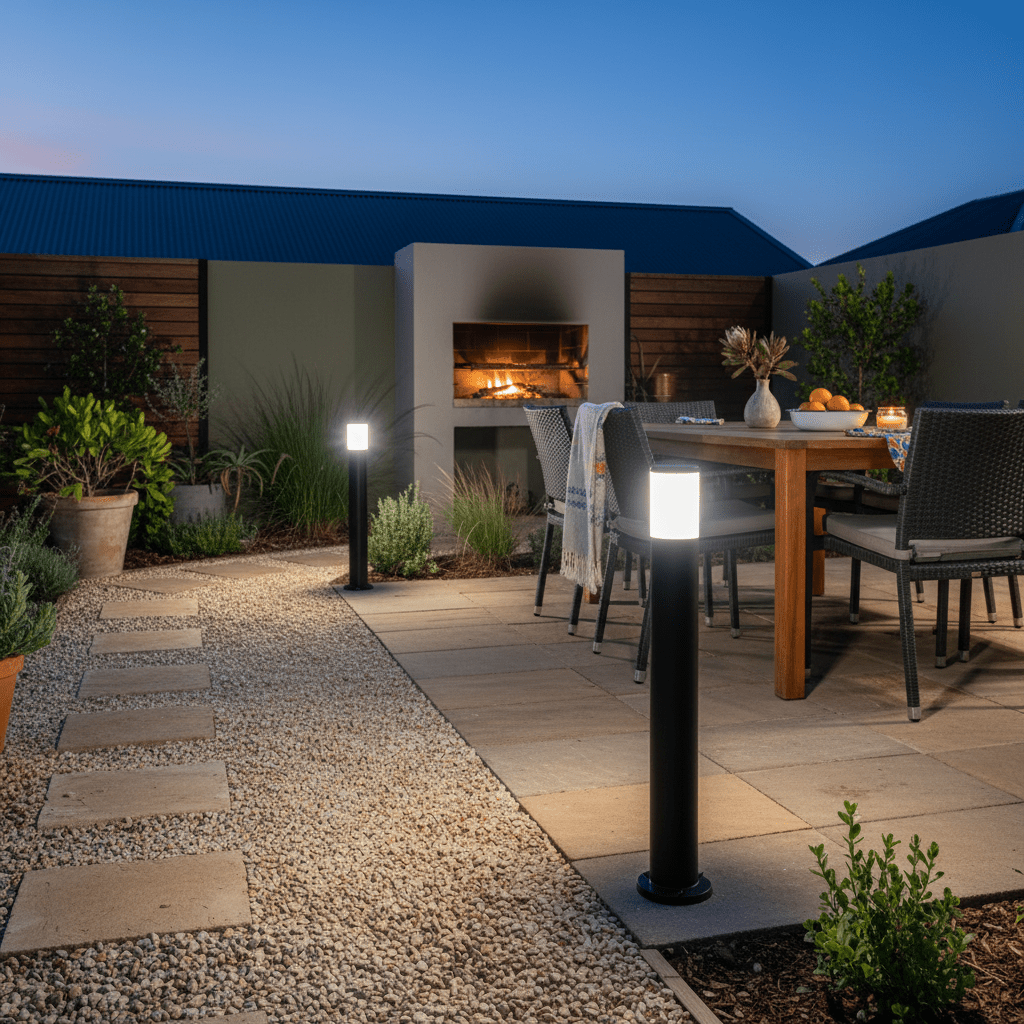
Where should bollard light fixtures be used?
Bollard lights are best used in outdoor areas where people need guidance, visibility and a sense of direction. Pathways are the most obvious example. Instead of relying on one bright light at the end of a garden or driveway, bollards allow you to create a clear route with even points of light along the way. This makes the space easier to use and more welcoming at night.
Driveways and entrances are also ideal places for bollard lighting. A few well-positioned fittings can mark the route to the front door, highlight a parking edge, or make a gate entrance feel more premium. In hospitality spaces such as lodges, guesthouses and boutique hotels, bollards are useful because they guide guests safely without ruining the atmosphere of the outdoor setting.
They can also be used around patios, courtyards, garden beds and outdoor seating areas. The goal is not to flood the space with light, but to add enough illumination for movement and mood. For commercial sites, office parks and residential estates, bollards create a neat, consistent outdoor lighting layout that looks professional and improves safety after hours.

How far apart should bollard lights be spaced?
Bollard light spacing depends on the height of the fitting, the brightness of the lamp, the beam spread and the type of area being lit. As a general rule, bollards should be close enough to create safe visual guidance, but not so close that the space looks cluttered or overlit. For most residential pathways, spacing them a few metres apart usually creates a good balance.
For driveways and wider walkways, the spacing may need to be slightly wider or paired on opposite sides, depending on the layout. In gardens, the placement can be more flexible because the goal may be partly decorative. You might use bollards to highlight curves, planting areas or changes in direction rather than placing them in a strict straight line.
The safest approach is to plan the route first. Identify the areas where people need to see clearly: turns, steps, entrances, uneven surfaces, driveway edges and changes in level. Then place bollards where they help with movement and orientation. It is better to create a thoughtful lighting rhythm than to simply install fittings at fixed intervals without considering how the space is actually used.

Are LED bollard lights energy efficient?
LED bollard lights are generally far more energy efficient than older outdoor lighting options. This matters because outdoor lights are often used for long hours, especially in residential estates, commercial properties, hospitality venues and security-conscious homes. Over time, efficient LED lighting can reduce electricity use while still providing reliable visibility.
Another advantage of LED lighting is lower maintenance. Good LED fittings and LED-compatible bollards can offer long service life, which is useful in areas where accessing or replacing lamps regularly becomes a hassle. For large properties, even a small reduction in maintenance can make a noticeable difference over the year.
When choosing LED bollard lights, think about brightness, beam direction and colour temperature. You do not always need the brightest option. In many outdoor areas, controlled and comfortable lighting is better than excessive glare. Warm White is often a good choice for gardens and hospitality areas, while Cool White can work well where visibility and a cleaner look are more important.

Can bollard lights be used in coastal areas?
Yes, bollard lights can be used in coastal areas, but the material and build quality become much more important. South African coastal conditions can be tough on outdoor fittings, especially in areas exposed to salt air, wind, moisture and high humidity. A standard outdoor fitting may not always last well in these conditions, so it is important to choose a coastal-suitable option where needed.
Coastal bollard lights are designed to cope better with corrosion and weather exposure. Fittings from ranges such as Fumagalli are often popular for coastal and high-exposure areas because the material choice is aimed at outdoor durability. This makes them useful for homes near the sea, holiday houses, estates, lodges and commercial properties along the coast.
Even with coastal-rated products, placement still matters. Avoid unnecessary exposure where possible, keep fittings clean, and make sure the installation is done correctly. Outdoor lighting is only as reliable as the fitting and the installation behind it. In coastal regions, choosing the right bollard from the start can save a lot of frustration later.

How are bollard light fixtures installed?
Bollard lights are usually fixed to a stable surface such as concrete, paving or a prepared mounting base. Because they are positioned outdoors and often connected to mains power, the installation needs to be handled carefully. The fitting must be secure, correctly aligned, properly wired and suitable for the outdoor conditions it will face.
For most permanent bollard light installations, we recommend using a qualified electrician. This is especially important when running cabling through gardens, driveways or commercial outdoor areas. The electrician can ensure the wiring is safe, protected and compliant, while also helping with practical placement so the fittings are not damaged by vehicles, garden tools or foot traffic.
Before installation, it helps to mark out the positions and view the layout from different angles. Check whether the bollards will obstruct movement, interfere with mowing or garden maintenance, or sit too close to driveway edges. A little planning upfront makes a big difference to how the finished lighting performs and how neat the installation looks during the day.

Key takeaways
- Bollard lights are ideal for pathways, driveways, entrances, gardens, estates and commercial outdoor spaces.
- They improve safety by guiding people through outdoor areas at night.
- LED bollard lights offer good energy efficiency and lower long-term maintenance.
- Coastal properties should choose outdoor fittings designed for corrosion-resistant performance.
- Correct spacing and placement are just as important as the fitting itself.
- Permanent outdoor bollard installations should be done by a qualified electrician.
Frequently asked questions about bollard light fixtures
Can bollard light fixtures be used in commercial settings?
Yes, bollard light fixtures are widely used in commercial settings such as parks, shopping centres, office complexes, hotels, lodges, estates and public walkways. They help guide people safely through outdoor areas while also improving the overall appearance of the space.
Are bollard light fixtures energy efficient?
Many modern bollard lights are designed for LED lamps or include integrated LED technology, making them far more energy efficient than older outdoor lighting options. They are a good choice for areas where lights may run for several hours every evening.
How do I install bollard light fixtures?
Most bollard light fixtures are mounted onto a stable concrete, paved or prepared base. Because outdoor bollards are often wired to mains power, it is best to use a qualified electrician for safe installation and correct cable protection.
Can bollard light fixtures be used in coastal areas?
Yes, but coastal areas require more durable outdoor fittings that can handle salt air, moisture and corrosion risk. Coastal-suitable bollard lights are recommended for homes and businesses near the sea.
What colour temperature is best for bollard lighting?
Warm White works well for gardens, patios and hospitality areas where a softer atmosphere is wanted. Cool White can be useful for driveways, commercial spaces and areas where clearer visibility is the priority.
Conclusion
Bollard light fixtures are a smart choice when you want outdoor lighting that is practical, attractive and built into the design of the space. They help guide movement, improve safety, add structure to landscaping and create a more welcoming outdoor environment after dark.
Whether you are lighting a residential garden path, a coastal walkway, a driveway entrance or a commercial outdoor area, the right bollard lights can make the space feel more polished and easier to use. Choose the correct style, material, brightness and spacing, and you will get outdoor lighting that works hard without looking harsh.
Explore outdoor bollard lighting options from Future Light and choose fittings that suit your property, your environment and the way the space is used every evening.


