


Indoor gardening has become increasingly popular among South Africans, especially for those with limited outdoor space. With the right tools and knowledge, you can cultivate a thriving indoor garden that not only beautifies your home but also contributes to your well-being. One of the essential components of successful indoor gardening is lighting. Many gardeners ask, 'What LED light can I use instead of a grow light?' In this article, we'll explore various LED light options and how they can serve as effective alternatives to traditional grow lights, ensuring your indoor plants receive the optimal light they need to flourish.
Key Takeaways
- LED lights can be effective alternatives to traditional grow lights.
- Understanding your indoor gardening needs is crucial for selecting the right LED light.
- Several LED light options provide adequate spectrum and intensity for plant growth.
- Comparing LED lights to traditional grow lights highlights energy efficiency and cost savings.
- Proper maintenance and positioning of LED lights can enhance indoor gardening success.
Understanding Indoor Gardening Needs
Indoor gardening has become an increasingly popular hobby for many South Africans, especially those who want to cultivate their own herbs and vegetables year-round. However, one of the most common questions that arises among indoor gardeners is, 'What LED light can I use instead of a grow light?' Understanding the needs of your plants when grown indoors is crucial to their success. While traditional grow lights can be effective, they can also be quite expensive to operate. This leads many gardeners to explore alternatives such as LED lights, which are more energy-efficient and can fit various budgets. To make the most of your indoor garden, it’s essential to replicate the natural light environment that plants would typically receive outdoors. When considering an LED option, look for full-spectrum lights, as these provide a broad range of wavelengths necessary for photosynthesis. It’s also important to assess the required intensity and duration of light exposure for your specific plants. Bear in mind that different plants have varying light requirements; leafy greens, for example, may thrive under lower light conditions compared to fruit-bearing plants such as tomatoes. Knowing how to gauge your plants’ needs will significantly impact their growth and yield. A suitable LED light can not only save you money on electricity but also support your indoor gardening journey in a sustainable manner.
The Basics of LED Grow Lights
Understanding the basics of LED grow lights is essential for anyone looking to enhance their indoor gardening experience. LED grow lights have revolutionized the way plants are cultivated indoors, providing a more energy-efficient and longer-lasting alternative to traditional lighting methods. They come in various spectra, which means they can be tailored to suit the different growth stages of plants, whether it’s for germination, vegetative growth, or flowering. For those who are asking, 'What LED light can I use instead of a grow light?' the answer lies in understanding the specific needs of your plants. Regular LED bulbs typically don't emit the full spectrum of light that plants need to thrive, particularly in the red and blue wavelengths. However, full-spectrum LED lights, which mimic natural sunlight, can be an excellent substitute for traditional grow lights. Additionally, consider long-tail options like 'best alternative grow lights for indoor plants' to explore various suitable lighting solutions that can optimize plant growth without the drawbacks of conventional setups. Ideal for the eco-conscious gardener, LED lights not only save on energy costs but also reduce heat output, allowing for closer placement to your plants without the risk of scorching. For those in South Africa looking to delve into home gardening or indoor cultivation, understanding the effective use of LED grow lights can significantly enhance your gardening success.
'The best time to plant a tree was twenty years ago. The second best time is now.' – Chinese Proverb
Best LED Light Options for Indoor Gardens
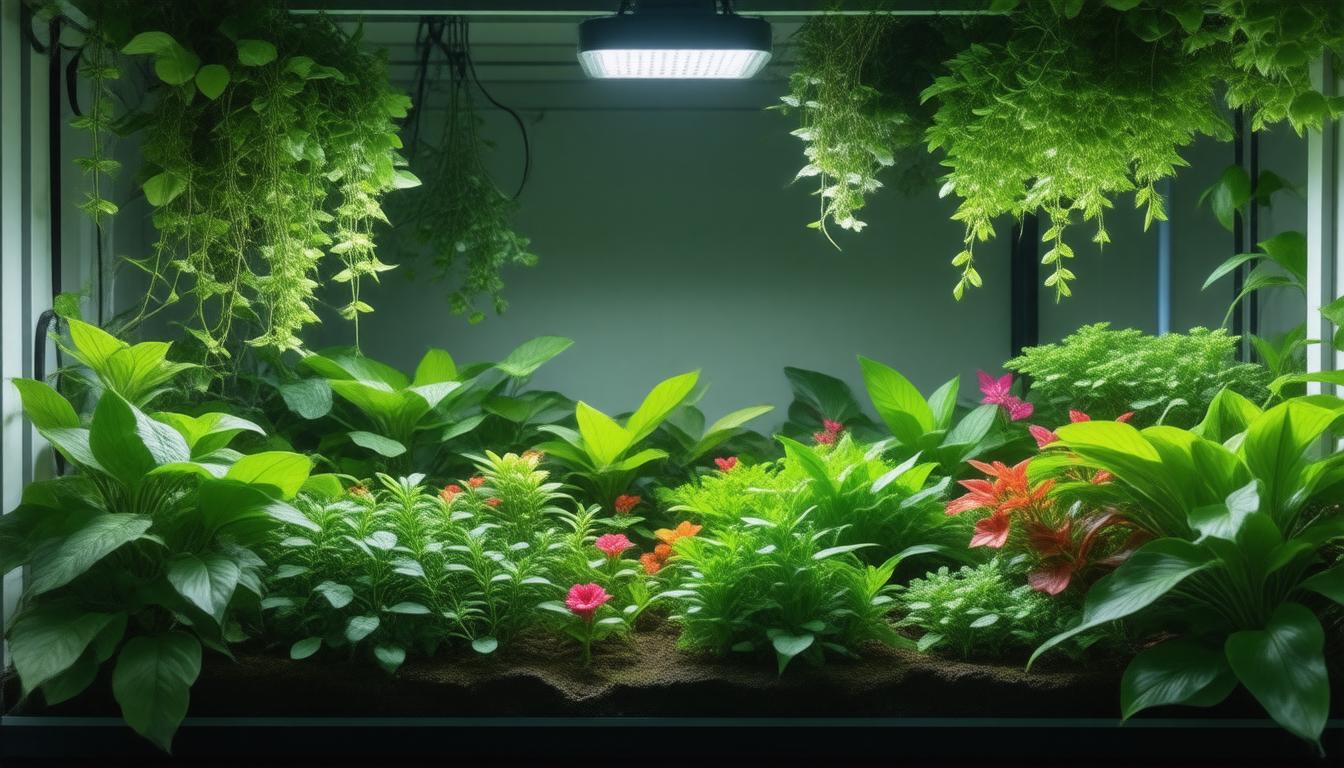
When it comes to indoor gardening, lighting plays a crucial role in the health and growth of your plants. Many gardeners increasingly find themselves asking, 'What LED light can I use instead of a grow light?' Fortunately, there are numerous LED options that can effectively support plant growth without the necessity of specialized grow lights. One alternative is the full-spectrum LED bulb, which provides a balanced spectrum of light that closely mimics sunlight. These bulbs are often available at local hardware stores, making them accessible and practical for home gardeners. Another option worth considering is the warm white and cool white LED combination. By using these two types of LEDs in tandem, you can create a versatile lighting setup that encourages healthy photosynthesis and promotes robust growth in your indoor plants. To ensure that your plants thrive, opting for LED lights in the range of 3000K to 6500K is essential. Such lights effectively nurture various stages of plant growth, including seedling, vegetative, and flowering phases. Moreover, they produce minimal heat compared to traditional grow lights, allowing you to keep your indoor environment pleasant while minimizing energy consumption. Therefore, in addition to asking, 'What LED light can I use instead of a grow light?' gardeners should also explore long-tail keywords like 'best indoor LED lights for plant growth' and 'affordable LED alternatives for indoor gardening' to discover the most suitable lighting solutions for their specific needs.
Comparing LED Lights to Traditional Grow Lights
When it comes to indoor gardening, one of the most common questions among enthusiasts is, 'What LED light can I use instead of a grow light?' With the rise in popularity of LED lights, many people are looking for alternatives to traditional grow lights that can be more energy-efficient and cost-effective in the long run. Traditional grow lights, such as incandescent or fluorescent types, have been the go-to solutions for many years, but they often consume more electricity and generate excessive heat, requiring additional cooling systems. In comparison, LED lights, which come in a variety of spectrums for plant growth, can provide efficient lighting while using significantly less energy. This makes them an appealing choice for eco-conscious gardeners and those looking to save on electricity bills. Additionally, the longevity and durability of LED lights mean they can offer consistent performance for years, reducing the need for frequent replacements. Understanding the different types of LED options available, such as full-spectrum LED and specific wavelength lights, is essential for selecting the ideal lighting to promote plant health and yield. As you consider what LED light to use instead of a grow light, be sure to also evaluate your space, the types of plants you want to grow, and the lighting schedule required for optimal growth.
Tips for Optimal Indoor Lighting
When it comes to indoor gardening, understanding lighting is crucial for healthy plant growth. If you're pondering, 'What LED light can I use instead of a grow light?' the answer lies in identifying your plants' specific light requirements. Regular LED bulbs can be used as an alternative, but it’s essential to select those that emit a full spectrum of light, closely mimicking natural sunlight. Look for LED lights that provide a balanced ratio of red and blue wavelengths, as these are vital for photosynthesis and overall plant health. Additionally, considering the wattage is key; generally, a higher wattage means greater light intensity, which can be beneficial for plants with higher light requirements. Furthermore, positioning your LED lights properly ensures that all your plants receive adequate illumination. Aim to install the bulbs at a suitable height—typically around 30 to 36 inches above your plants to avoid scorching the leaves while still delivering effective light. Most importantly, monitor your plants' response to changes in light; if they appear to stretch towards the light source, it may indicate that they need more intensity. By following these tips for optimal indoor lighting, you can successfully replace grow lights with appropriate LED solutions to support your greenery and create a thriving indoor garden.
Maintaining Your Indoor LED Setup
Maintaining your indoor LED setup is crucial for promoting healthy plant growth, especially if you are using alternative lighting solutions. Many South African indoor gardeners often ask, 'What LED light can I use instead of a grow light?' This question is becoming more pertinent as urban gardening continues to flourish. While grow lights have been specifically designed to meet the spectrum needs of plants, certain high-quality LED lights can effectively substitute them. Look for LEDs that emit a full spectrum of light, as these are suitable for both leafy greens and flowering plants. Moreover, choosing lights with adjustable brightness can help tailor the environment to your plants’ specific growth stages, ensuring they receive adequate light intensity without the risk of burn. Regularly cleaning your LED fixtures will also maintain their efficacy, ensuring that they deliver optimal light output. In addition, incorporating features like timers can help automate your growing environment, making it easier to manage light cycles effectively. By understanding the best practices in using alternative LED lights, you can create a thriving indoor garden in your South African home.
Frequently Asked Questions
What LED lights can I use instead of specialized grow lights?
You can use full-spectrum LED lights, such as COB (Chip on Board) lights or LED floodlights, which provide a balanced spectrum of light suitable for plant growth.
Can regular LED bulbs be used for indoor gardening?
Regular LED bulbs can be used, but choosing full-spectrum options will provide better results as they mimic sunlight more closely.
How do I set up my indoor LED lighting for optimal plant growth?
Position your LED lights close to your plants but at a distance that prevents overheating. Adjust the height as the plants grow, and ensure they receive around 12-16 hours of light daily.
What are some additional benefits of using LED lights for indoor gardening?
LED lights are energy-efficient, generate less heat, and have a longer lifespan compared to fluorescent or incandescent lights, making them a cost-effective choice for indoor gardens.
How do I maintain my indoor LED lighting setup?
Regularly clean the light fixtures to remove dust and debris, monitor the distance from plants, and replace any burned-out bulbs promptly to ensure consistent light availability.


