



Howzit! Whether you're in the leafy suburbs of Stellenbosch or nestled in the buzzing heart of Durban, convenience and security are always top of mind. That’s where the humble yet powerful PIR motion sensor steps into the limelight (literally) and changes the way we experience lighting in our homes, gardens and businesses.
At Future Light, we stumbled on the transformative power of motion sensors years ago when trying to light up a tricky passageway in a guesthouse just outside George. After swopping out traditional switches with PIR sensors and pairing them with LED fittings, the result was an effortless, energy-saving glow whenever guests moved through. The “wow” feedback has never stopped coming!
Key Takeaways
- PIR (Passive Infrared) motion sensors detect heat signatures and trigger lights accordingly.
- Ideal for security lighting, indoor automation, and energy saving across South African homes.
- Highly compatible with LED lights, floodlights, and even solar setups.
- Installation is straightforward for both surface and recessed mounting options.
- Popular in Johannesburg society homes, Cape seaside bungalows, and everything in between.
- Pairing with smart tech or timers maximises performance and control.

Getting to Know PIR Motion Sensors in South Africa
What is a PIR Motion Sensor and How Does It Work?
A PIR (Passive Infrared) motion sensor detects infrared radiation given off by moving objects—namely, us humans. Unlike microwave or ultrasonic sensors which bounce signals, PIR is passive. It simply waits to “see” motion via temperature contrast. That means it’s perfect for triggering lights the moment someone walks past, whether in a hallway, garage, or near your garden braai spot in Pretoria.
We first installed one outside a warehouse in Paarden Eiland. Staff were constantly forgetting to turn lights off, running up the electricity bill. After adding a sensor, the lighting system only activated when needed. A win-win in savings and convenience! Learn more about PIR tech in this technical deep dive.
Most PIR units work between 5–12 metres, detect within a 120° field, and pair beautifully with LED fittings featuring 80+ CRI and warm white 3000K CCT or cool whites for security zones. Look for IP ratings of IP44 or higher if mounting outdoors.
Micro Summary: PIR sensors detect human heat movement passively and efficiently, ideal for automatic lighting indoors or outdoors.

Benefits of Using PIR Sensors in South African Homes
From power outages in load shedding to safety concerns during late-night arrivals, PIR sensors offer multifaceted benefits to local households. They instantly light up dark entrances in places like Roodepoort or automatically illuminate stairways in an apartment in Umhlanga Rocks. All without needing a flip of a switch.
One Cape Town customer told us how they “stopped fumbling in the dark with the dustbin” after installing a PIR spotlight above their back door. That same sensor is available in our outdoor sensor range. Also check out our guide on layering lighting effectively.
Aside from convenience, PIR tech cuts down on unnecessary power usage. When matched with energy-efficient LED floodlights (10W to 50W range, 220V), you could reduce your usage by up to 40%. Always ensure your units offer an IP rating of IP65+ for areas prone to rain or hose-downs.
Micro Summary: PIR sensors increase home safety, energy savings, and automation—especially in dark or high-traffic zones.
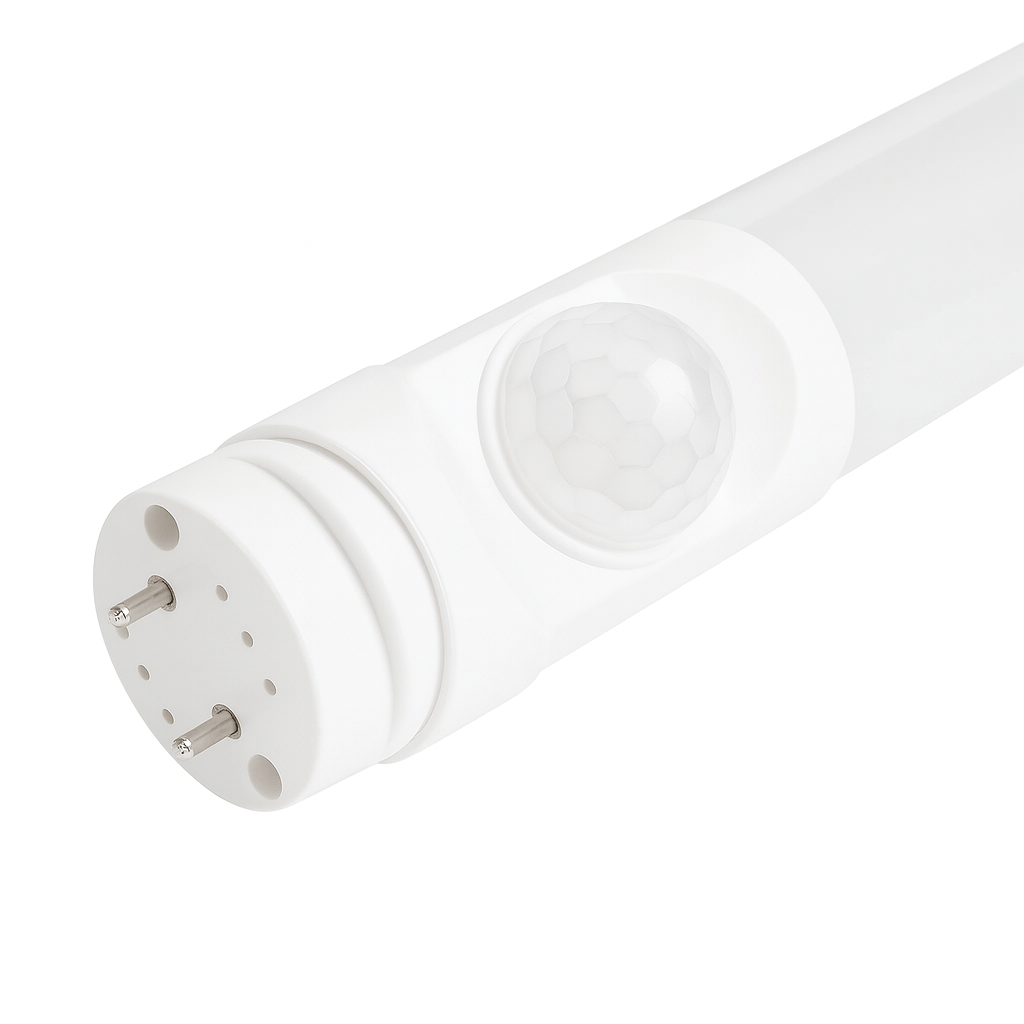
Common Indoor + Outdoor Applications Across Mzansi
From mounting a discrete PIR in an indoor passage in Bloemfontein to adding one near a garage in Port Elizabeth, the usage scale is vast. Indoors, think bathroom cupboards, pantries, stairwells. Outdoors, PIR sensors shine on boundary walls, driveways, and gardens where visibility is key.
We recently helped a guesthouse upgrade their outdoor security. By combining PIR floodlights with high-CRI LED beams, motion activation scared off opportunistic trespassers while guests appreciated the auto-illumination at dusk. Trustworthy info is also available in this electronic guide.
PIR sensor lights can be integrated into IP-rated (IP65 recommended) fixtures with 3000K-6000K options, beam angles from 90–120°, and pairing options with solar motion kits available here.
Micro Summary: PIR motion sensors are highly adaptable for both indoor personal convenience and outdoor safety in South African settings.

Whether it's the city lights of Johannesburg or the tranquil surrounds of the Garden Route, PIR motion sensors fit naturally into South African homes, offering modern ease with practical impact.
Choosing the Right PIR Sensor Product in SA
Types of PIR Sensors: Basic vs. Integrated vs. Smart
There are three main types: standalone sensors you pair with your own fixture, integrated sensor lights that come as all-in-ones (e.g. floodlights), and smart PIR options that sync with hubs, Wi-Fi or timers. South African homes in cities like Durban often lean toward integrated setups due to simplified maintenance and aesthetics.
We had a customer in Knysna who upgraded all four corners of her property with microwave-sensor floodlights. Her reason? Simplified coverage plus coastal-grade IP housing. Learn more in our guide to day-night timer switches and automation compatibility options on Future Light.
For everyday use: Basic PIR (great for garages), Integrated (stylish for yards), and Smart (for tech lovers) — just match Kelvin (3000K–6000K), wattage (10W–30W), IP67 or higher if sea-facing, and CCT options per zone outdoors/indoors.
Micro Summary: PIR sensor types range from entry-level basics to smart-enabled systems, each suited to different home tech profiles.

Best Pairings: What Lights Work Well with a PIR Sensor?
PIR sensors pair best with LED lights because of their instant-on nature and energy efficiency. Popular matches include LED strip lights for cupboards, bulkheads along dark corridors, or floodlights for outdoor areas. Lights like LED down-lights offer tight beam angles, while solar floodlights score for driveway entrances.
One Jozi family added strip-lit stair rails paired with sensors from our LED striplight collection. The ambient warm-white glow along their steps wowed guests—and helped grandpa navigate the stairs more safely. Want to geek out? Read this LED magazine article on motion-light synergy.
Ideal ranges: Warm white 3000K for indoors, cool white 6000K for security zones. CRI 80+ ensures vibrant visuals. IP ratings? IP20 indoors, IP65+ outdoors. Wattage matches range from 5W strips to 50W LED floods.
Micro Summary: LED technologies pair exceptionally well with PIR sensors to offer adaptable, efficient lighting indoor and outdoor.

Troubleshooting and Ideal Conditions for Performance
PIR sensors are durable, but occasionally South African conditions test their limits—like extreme winds in Port Elizabeth triggering movement on trees or reflective bright sunshine in Kimberley causing glare. They also struggle through glass or mesh, so placement is key.
We’ve helped many resolve issues—like one homeowner in George whose PIR was too close to a geyser's steam outlet! Repositioning, or using masking kits to limit beam widths, can save the day. Learn placement best practices in our roundup of installation tips.
Rule of thumb: Mount 2.5m high, avoid hotspots (like pool pumps), keep detection zones clear and test light sensitivity day vs night. Choose sensors with manual override where needed.
Micro Summary: Get the best from your PIR sensor with clever placement, clean detection zones, and avoiding heat source interference.

PIR sensors are powerful, but smart placement and pairing unlock their full magic—whether you're home in Polokwane or beachfront in Ballito.
Quick Checklist
- Select between standalone, integrated or smart PIR sensor options.
- Pair PIR sensors with suitable LED light types (CRI, IP, CCT considered).
- Mount at optimal height: 2–2.5m and away from direct sunlight or heat sources.
- Test sensitivity settings in day and night conditions.
- For outdoor use, always choose IP65+ water-resistant models.
Ready to enhance your home or office with sensor-based convenience? Browse our full motion sensor collection, check out a best-seller with integrated PIR, or dive deeper into our styling and installation blog.
Frequently Asked Questions
Q1: What does PIR stand for in lighting?
PIR stands for Passive Infrared. It senses changes in infrared radiation—typically caused by body heat—and is used to detect movement and trigger lighting without manual intervention.
Q2: Can PIR motion sensors work with LED lights?
Yes, they pair perfectly. Because LEDs switch on instantly, they complement motion sensing very well, especially for energy-efficient setups.
Q3: Do PIR sensors work behind glass?
Generally, no. Glass blocks or distorts infrared radiation, preventing proper detection. Always install sensors in open-air line of sight to the detection zone.
Q4: What’s the recommended installation height in South Africa?
Between 1.8m and 2.5m, depending on the sensor’s detection range and surrounding environment. This height works best for accurate motion readings.
Q5: Are PIR sensors weatherproof?
Many are IP65 or IP66 rated and suitable for outdoor use. Always check the rating before purchase, especially in wetter or coastal climates.
Q6: Can I use a PIR sensor to automate my bathroom lights?
Absolutely. They’re commonly used in bathrooms, corridors, and pantries where hands-free lighting makes daily use more effortless.
Q7: What if the sensor keeps going on and off randomly?
It could be triggered by heat sources, moving objects like curtains, or pets. Try adjusting its angle and narrowing the detection zone.
Q8: Can I connect a PIR sensor to my solar light?
Yes! Many solar lights now come with built-in PIR or support external PIR integration. Make sure compatibility is confirmed and use units matched in voltage.


