


In the world of horticulture, the quest for thriving gardens has led many green thumbs to explore the power of artificial lighting. As more growers turn to LED technology, one key question has emerged: what colour LED lights help plants grow? Understanding how different colors of light affect plant growth is essential for maximizing your garden's potential, whether you're nurturing leafy greens, vibrant flowers, or even exotic plants. In this article, we will delve into the science behind plant photoreceptors, the roles different light colors play in photosynthesis, and how to set up your LED lights effectively for optimal plant growth.
Key Takeaways
- Plants have specific photoreceptors that respond to varying light wavelengths.
- Different light colors play unique roles in photosynthesis, impacting overall plant health.
- LED light spectra can significantly influence plant growth patterns and yields.
- Leafy greens thrive best under blue light, while flowering plants benefit from red light.
- Combining various LED colors can optimize growth in diverse plant types.
Understanding Plant Photoreceptors
When it comes to indoor gardening and cultivating plants, understanding the role of photoreceptors is crucial. Plants have evolved to use light as a primary energy source, but not all wavelengths of light are created equal. Different colors of light can influence various growth patterns in plants, making it essential to ask, 'what colour LED lights help plants grow?' The key lies in the interplay of blue and red wavelengths, which correspond to specific plant needs. For instance, blue light (400-500 nm) is vital for vegetative growth, promoting strong stems and lush foliage. This wavelength helps in chlorophyll production, which is necessary for photosynthesis. On the other hand, red light (600-700 nm) is instrumental during the flowering and fruiting stages, encouraging blooming and producing fruit. To harness the full potential of your plants, consider using a combination of blue and red LED lights, as they create a balanced spectrum that supports all stages of growth. In South Africa's varied climates, where growing conditions can differ significantly, effective use of LED lights can lead to healthier plants and improved yield. Understanding plant photoreceptors and their responses to different light colors is therefore fundamental for both amateur and professional growers striving to optimize their gardening results.
The Role of Different Light Colors in Photosynthesis
Photosynthesis, the process by which plants convert light energy into chemical energy, is crucial for plant growth and development. The role of different light colors in photosynthesis is a topic of great interest, particularly among avid gardeners and indoor plant enthusiasts. Plants utilize various pigments, primarily chlorophyll, to absorb light during photosynthesis. Chlorophyll predominantly absorbs blue and red wavelengths of light, while reflecting green, which is why many plants appear green to the eye. When considering optimal growth conditions for plants, especially in controlled environments like greenhouses, the question often arises: what colour LED lights help plants grow? Research indicates that blue wavelengths (approximately 400-500 nm) promote vegetative growth and stem elongation, making them essential during the early growth stages. In contrast, red wavelengths (around 600-700 nm) are vital for flowering and fruiting, which means that a combination of both blue and red LED lights can significantly enhance plant growth. Therefore, using LED grow lights that can emit specific wavelengths can simulate natural sunlight and ensure that plants receive the light spectrum they require. To maximize the effectiveness of indoor gardening setups, it's important to explore options that allow for customization of light color, keeping in mind that a balanced light spectrum will yield the healthiest plants. Not only can choosing the right coloured LED lights enhance growth, but it will also lead to a more fruitful yield, thereby providing a rewarding gardening experience.
'The light that shines from within is more important than the light that shines upon us.' - John B. Watson
How LED Light Spectra Affect Plant Growth
When it comes to optimizing plant growth, understanding how LED light spectra affect plant growth is crucial. Plants primarily use light for photosynthesis, and different color wavelengths can significantly influence their growth patterns. The essential colors in the light spectrum for plants include blue (400-500 nm) and red (600-700 nm) light. Blue light is vital for vegetative growth and is ideal during the early stages of plant life, promoting strong stems and lush foliage. On the other hand, red light plays a crucial role during the flowering and fruiting stages, facilitating blooming and enhancing yields. Therefore, when discussing what colour LED lights help plants grow, it's clear that a combination of blue and red LEDs will provide the broad spectrum that supports photosynthesis, bolsters plant health, and enables optimal growth across various stages. Understanding the specific needs of your plants, depending on their growth phase, will help you tailor your lighting setup for maximum efficiency. By investing in LED grow lights that cater to these wavelengths, South African gardeners can cultivate stronger plants and achieve better harvests, all while using energy-efficient and long-lasting lighting solutions.
Best LED Colors for Leafy Greens vs. Flowering Plants
When it comes to indoor gardening or hydroponics, the question often arises: what colour LED lights help plants grow? Understanding the specific light wavelengths that benefit different types of plants can significantly improve their growth and yield. Leafy greens, such as spinach and lettuce, thrive under blue light, which promotes leafy growth and vegetative development. Blue LEDs typically range from 400 to 500 nm and are essential during the initial growth stages. In contrast, flowering plants, including tomatoes and peppers, require a mix of blue and red light for optimal growth. Red light ranges from 600 to 700 nm and is crucial for stimulating flowering and fruiting. Thus, growers are encouraged to use a full-spectrum LED light setup or switch between blue and red LEDs to cater to the life cycle of the plants. By selecting the right LED colours according to the plant type, gardeners can enhance the growth process and obtain robust harvests, driving home the importance of light quality in plant care.
Using a Combination of LED Colors for Optimal Growth
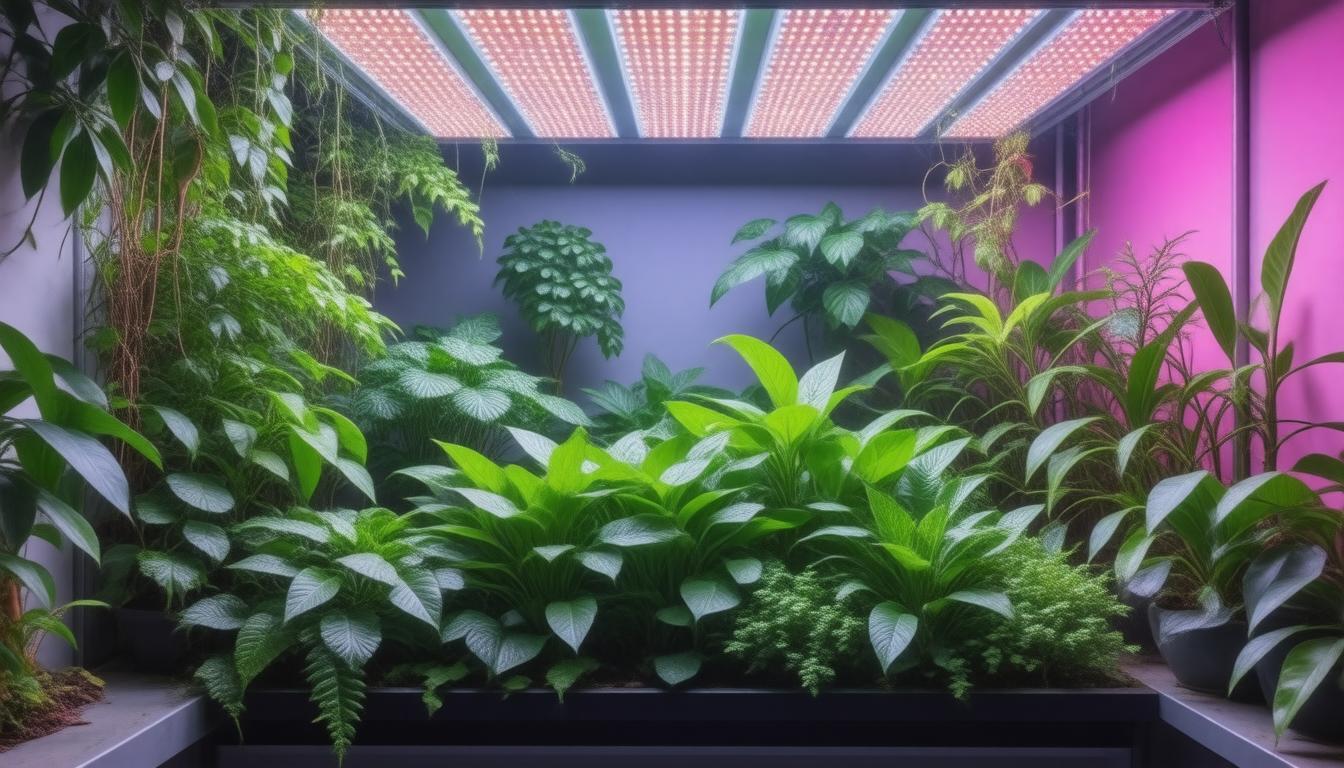
Understanding the impact of different light colors on plant growth is essential for any aspiring gardener, especially when using LED lights. One of the key aspects of indoor or hydroponic gardening is knowing what colour LED lights help plants grow effectively. Research indicates that plants absorb varying wavelengths of light for different stages of growth. For example, blue light, typically in the range of 400-500 nanometers, is crucial for vegetative growth, promoting strong stems and healthy foliage. Meanwhile, red light, particularly around 600-700 nanometers, is vital during the flowering and fruiting stages, encouraging blooming and the development of fruits. To achieve the best results, many horticulturists recommend a combination of blue and red LED lights. This balance mimics natural sunlight and provides plants with the full spectrum they need for robust growth. Furthermore, incorporating shades like white light can also enhance the photosynthesis process and help monitor plant health by revealing their true color. Another aspect to consider is the intensity of the LED lights, as different plants may require varying light intensities based on their growth phase. Hence, experimenting with different combinations and observing how plants respond can lead to optimal results. By effectively utilizing a mix of these LED colors, you can create an ideal environment that supports your plants throughout their lifecycle, ensuring vibrant growth and fruitful yields.
Tips for Setting Up LED Grow Lights in Your Garden
When it comes to setting up LED grow lights in your garden, understanding what colour LED lights help plants grow is crucial for optimal plant health and productivity. The spectrum of light emitted by these grow lights directly affects photosynthesis, which is vital for plant growth. For most plants, a combination of blue and red light is the most effective. Blue light, typically in the range of 400 to 500 nanometers, promotes vegetative growth and is essential during the early stages of plant development. Meanwhile, red light, which falls between 600 and 700 nanometers, is key for flowering and fruiting stages. Moreover, using a full spectrum LED grow light can provide plants with the balanced light they need throughout their life cycle. Here are a few tips to effectively set up your LED grow lights:
1. Distance from Plants: Position your lights at an appropriate distance from the plant tops to avoid burning due to excessive heat or light intensity. Generally, keeping them 12 to 24 inches above the plants will ensure healthy growth.
2. Duration of Light: Most plants require between 12 to 18 hours of light per day. Use timers to maintain consistent light cycles, mimicking natural conditions.
3. Adjusting Light Spectrum: Initially, provide more blue light to seedlings and gradually shift to include more red light as they mature. This gradual adjustment helps them adapt and thrive.
4. Reflective Surfaces: Maximize light efficiency by incorporating reflective materials around your garden area to redirect lost light back onto your plants.
5. Monitor Plant Response: Pay attention to how your plants respond to the light setup. Signs such as stretching towards the light or leaf discoloration can indicate the need for adjustments.
By considering these factors, you can utilize LED grow lights effectively, enhancing your gardening experience and resulting in robust plant growth.
Frequently Asked Questions
What color LED lights help plants grow best?
Plants primarily respond to blue and red light wavelengths, which are crucial for photosynthesis. Blue light (around 400-500 nm) supports vegetative growth, while red light (around 620-700 nm) promotes flowering and fruiting.
Can I use white LED lights for my plants?
While white LED lights can support plant growth, they are not as efficient as targeted blue and red light. A combination of blue and red lights is often recommended for optimal growth.
How do different LED light colors affect the growth of various plants?
Leafy greens thrive under blue light due to its focus on vegetative growth, while flowering plants benefit more from red light to encourage blooming. It's beneficial to tailor your LED setup based on the plants you are growing.
What is the best way to set up LED grow lights in my garden?
Position your LED lights 12-24 inches above the plants, depending on the light intensity, and maintain a lighting schedule of 12 to 16 hours per day to mimic natural sunlight.
Can I combine different colors of LED lights for optimal growth?
Yes! Combining blue and red LED lights will provide a full spectrum of light, which can enhance growth by catering to the specific needs of different plants throughout their life cycle.


