


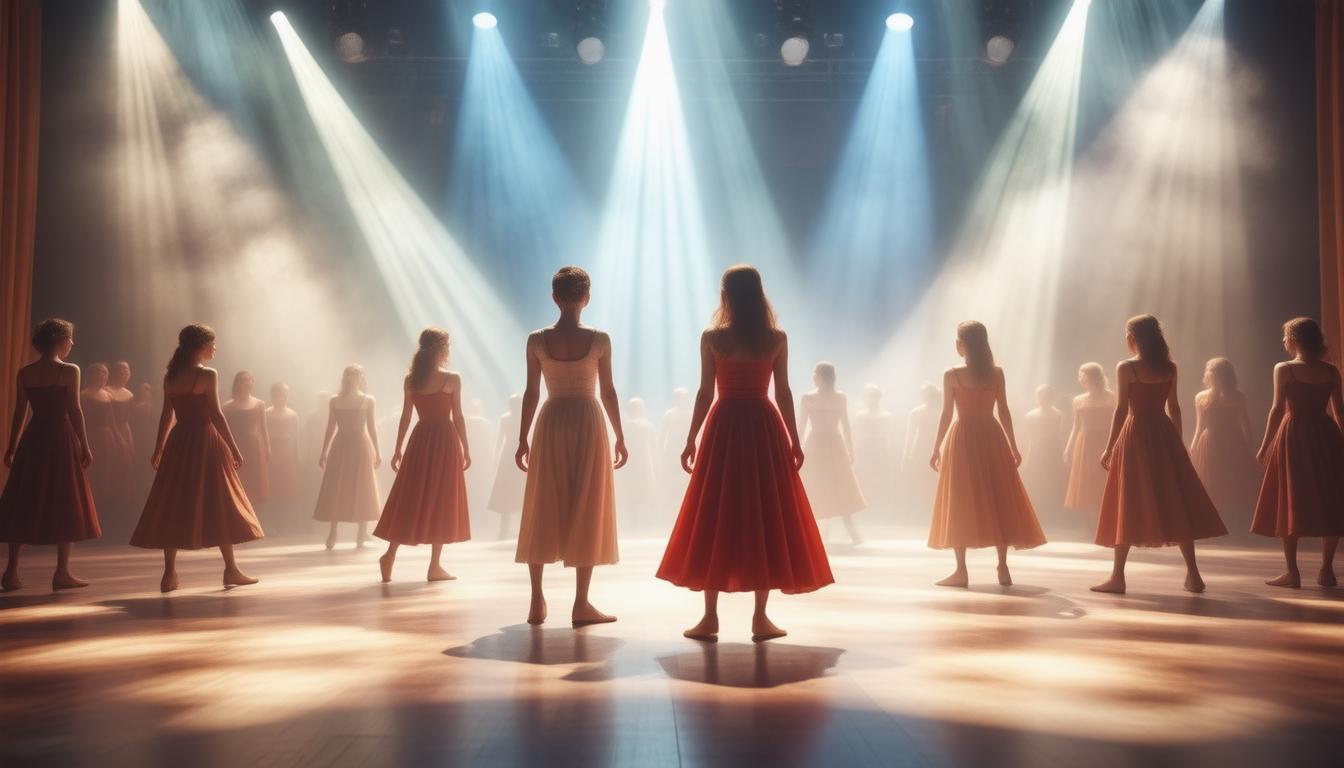
Have you ever been captivated by a performance, only to wonder how the actors seem to glow against the backdrop of the stage? That mesmerizing effect is often thanks to a crucial element of theatrical lighting: foot lights. Understanding what foot lights are and their role in theatre production can elevate both the performance and the audience's experience. In this blog post, we’ll delve into the fascinating world of foot lights, exploring their historical significance, mechanics, and the distinct ambiance they help create. Get ready to shine a spotlight on this essential lighting feature!
Key Takeaways
- Foot lights are a crucial aspect of theatre performance, providing illumination at the front of the stage.
- Historically, foot lights have evolved from simple candles to sophisticated lighting technology.
- The mechanics of foot lights involve strategic placement to enhance visibility and create a dramatic effect.
- Foot lights significantly improve a performer’s stage presence by emphasizing facial expressions and movements.
- There are various types of foot lights, each serving specific purposes in theatrical productions.
Introduction to Foot Lights in Theatre
Ever sat in a darkened theatre and felt the suspense build, but then noticed something intriguing at the stage’s edge? You might have spotted the foot lights! But what are foot lights, and why are they essential in the world of theatre? These low-positioned lights, typically situated at the front of the stage near the floor, play a vital role in enhancing the atmosphere and visibility of performers. Not only do they provide necessary illumination for the actors’ feet during their movements, helping to prevent accidents, but they also create a warm glow that softens shadows cast by other stage lights. By subtly highlighting the performers while grounding the scene, foot lights imbue each performance with an enchanting touch. Whether you’re delving into a dramatic play or enjoying a musical number, understanding foot lights can deepen your appreciation for the crafted ambiance of live theatre.
Historical Background of Foot Lights
Foot lights have a rich historical background that traces back to the 17th and 18th centuries, particularly in the realms of theater and performance. Originally designed to illuminate the stage from the front, foot lights consist of a series of light fixtures positioned at the foot of the stage, casting a warm glow upward. This design not only served a practical purpose by enhancing visibility for performers and audiences alike but also created dramatic effects that enhanced theatrical presentations. The term 'foot lights' is derived from their placement—literally lighting up the feet of actors as they performed. Over the decades, these fixtures evolved, transitioning from the use of candles and gas to electric lighting, which revolutionized their function and application in both theatrical settings and architectural design. Today, while foot lights may seem less common in modern venues, they continue to evoke nostalgia and serve as an inspiring reminder of theater's evolution. Curious about how foot lights can still influence lighting design in contemporary homes? Let’s delve deeper into their application in modern decor.
'The stage is a magic circle where only the most powerful forces play.' - Antonin Artaud

How Foot Lights Work: Mechanics and Design
Foot lights, often a stunning yet understated feature in both residential and commercial spaces, work through ingenious mechanics and thoughtful design. At their core, foot lights, also known as step lights or low-level lighting, are designed to illuminate the area at or near ground level, providing safety and aesthetic enhancement. Typically installed in staircases, hallways, or along the edges of spaces, these fixtures serve a dual purpose: they guide foot traffic and create ambiance without overwhelming the existing decor. The mechanics behind foot lights include low-wattage bulbs—such as LED or incandescent—that emit a soft, diffused light to prevent harsh glare. Most foot lights feature a durable housing designed to withstand wear, especially if located in high-traffic areas. Design-wise, foot lights come in various shapes, sizes, and finishes, allowing them to blend seamlessly into any interior style. Whether you opt for sleek, modern designs or classic, ornate fixtures, choosing the right foot lights can enhance both the safety and aesthetic of your space, making them a worthwhile investment.
The Role of Foot Lights in Enhancing Stage Presence
Foot lights, also known as footlamps or floor lights, play a crucial role in the world of theater and stage performance. These specialized lighting fixtures are positioned close to the ground and aim to illuminate the area directly in front of performers, creating an enchanting ambience that significantly enhances stage presence. By casting a soft, upward glow, foot lights help to highlight the performers' movements and facial expressions, making it easier for the audience to connect emotionally with the performance. Additionally, they serve to delineate the stage boundaries, ensuring that actors remain within the visible area while providing a sense of depth to the overall staging. In essence, foot lights are not just functional; they also add a layer of artistry to live performances, setting the mood and guiding the audience's attention where it’s needed most.
Different Types of Foot Lights and Their Applications
When we talk about foot lights, we're referring to a specific type of lighting designed to illuminate the floor area, ensuring safety and accentuating the décor of a space. These lights can be perfect for various settings, be it in residential homes or commercial spaces.
Applications of Foot Lights:
• Safety Lighting: Foot lights are commonly used in stairways and hallways, providing guidance in low light conditions to minimize accidents.
• Accent Lighting: They can subtly highlight architectural features or artwork while helping to create a welcoming ambiance.
• Pathway Illumination: In outdoor settings, foot lights can line pathways, driveways, or gardens, adding safety and beauty to outdoor spaces.
• Theater and Performance: In performance arts, foot lights serve to illuminate the stage from the front, enhancing visibility for performers and helping to create dramatic effects.
• Mood Enhancement: In living areas, soft foot lights can provide a cozy atmosphere, perfect for late-night relaxation without fully lighting the room.
In essence, foot lights are not just utility fixtures; they play a vital role in enhancing the aesthetics and safety of any space. Consider your specific needs when choosing the type of foot lights that best suit your environment.
Conclusion: The Importance of Foot Lights in Theatre Production
In the world of theatre production, foot lights serve as a crucial element that can dramatically influence the overall presentation. So, what are foot lights? Simply put, they are low-profile lighting fixtures typically placed at the front of the stage, providing illumination from the ground upwards. These lights not only enhance visibility for performers and help illuminate their facial expressions effectively but also create an inviting atmosphere that draws the audience into the performance. By highlighting actors' movements while minimizing shadows, foot lights ensure that every nuance of the performance is captured, fostering a deeper emotional connection with the audience. Thus, incorporating foot lights into a theatrical setup is not merely an aesthetic choice; it is an essential aspect of achieving a compelling and intimate theatrical experience.


