


Choosing a chandelier for your dining area isn't just about picking a light fixture; it’s about adding character and creating the right mood. Whether you're hosting a formal dinner or just enjoying a quiet family meal, the right chandelier can make all the difference. From size and style to energy efficiency and budget, there’s a lot to consider, but don’t worry—we’ll break it down for you.
Key Takeaways
- A chandelier for your dining area should balance style and functionality, enhancing both the look and feel of the room.
- The size of the chandelier matters—ensure it complements the dimensions of your dining table and room.
- Choose a design that matches your dining décor, whether it’s modern, rustic, or classic.
- Consider energy-efficient options like LED bulbs and dimmers for adjustable lighting.
- Set a budget that aligns with your needs, balancing affordability with quality.
Understanding the Role of a Chandelier in Your Dining Area
How Chandeliers Enhance Dining Ambiance
A chandelier isn’t just about lighting; it’s about setting the tone for your dining space. The right chandelier can create an inviting atmosphere that makes every meal feel special. Whether it’s a cosy family dinner or a formal gathering, the glow from a well-placed chandelier can make the difference between ordinary and extraordinary. The aim is to bathe your dining table in a soft, warm light that eliminates harsh shadows while avoiding an overpowering glare.
The Functional and Aesthetic Balance
Striking the balance between function and beauty is key. A chandelier needs to provide enough light for practical purposes, like eating or reading a menu, without being too harsh. At the same time, it should complement your room’s décor. Think of it as both a light source and a piece of art. For example:
- Functional: Ensures adequate light for dining.
- Aesthetic: Adds a touch of elegance or modernity to the room.
- Versatile: Can adapt to different moods with dimming options.
Creating a Focal Point with Lighting
A chandelier is often the centrepiece of a dining room. It draws the eye and anchors the space, giving the room a sense of purpose. When you choose a chandelier, consider its size, style, and placement to ensure it doesn’t just blend in but truly stands out. Remember, your chandelier should complement the other elements in the room, like the dining table, chairs, and even the wall colour.
Selecting the Right Size for Your Dining Room Chandelier
Measuring Your Dining Room Dimensions
Getting the size right starts with understanding your dining room's dimensions. A simple formula can guide you here: Measure the length and width of the room in feet, then add those numbers together. Convert the total into inches, and that’s the ideal diameter for your chandelier. For example, a room that’s 12 feet by 14 feet would suit a chandelier about 26 inches wide.
Proportions Between Table and Chandelier
When it comes to the table, the chandelier should feel balanced—not too big, not too small. Aim for a fixture that’s about half to two-thirds the width of your dining table. If your table is 60 inches wide, a chandelier between 30 and 40 inches in diameter should work beautifully. This ensures the light complements the table rather than overpowering it.
Ideal Hanging Heights for Different Ceilings
Hanging height can make or break the look. For standard 8-foot ceilings, the bottom of the chandelier should hang 30 to 34 inches above the table. If your ceiling is higher, add about 3 inches for every extra foot of ceiling height. For example, a 10-foot ceiling would call for a chandelier hanging 36 to 40 inches above the table. This keeps the light functional while maintaining an inviting atmosphere.
The right size and placement of a chandelier can transform your dining room into a cosy, stylish space that feels just right for every meal.
Exploring Styles to Match Your Dining Room Décor
Modern and Minimalist Chandeliers
Modern chandeliers are all about clean lines and simplicity. They often feature geometric shapes, sleek metals like chrome or brushed nickel, and understated designs. These styles work well in contemporary dining spaces where the focus is on subtle sophistication. Pairing a modern chandelier with a glass dining table or minimalist furniture can create a seamless, cohesive look.
Key features of modern chandeliers:
- Sleek metal finishes: chrome, nickel, or black.
- Geometric or asymmetrical designs.
- Often incorporate LED lighting for energy efficiency.
Rustic and Industrial Designs
If your dining room leans towards a cosy or rugged aesthetic, rustic and industrial chandeliers might be your best bet. These designs often incorporate raw materials such as wood, wrought iron, and exposed bulbs. They’re perfect for farmhouse-style or urban loft settings.
Rustic and industrial chandeliers often include:
- Warm wood tones or distressed finishes.
- Edison-style bulbs for a vintage vibe.
- Metal accents like iron or steel.
Tip: Rustic and industrial chandeliers pair wonderfully with wooden dining tables and textured fabrics, adding warmth and character.
Classic Crystal Elegance
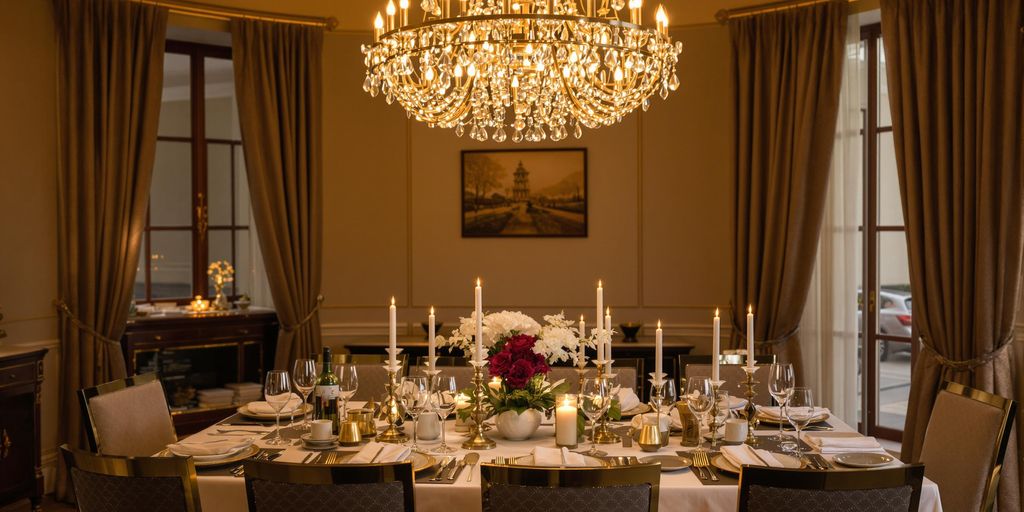
Crystal chandeliers bring a timeless sense of luxury to any dining area. They’re often associated with traditional or formal spaces but can also add a touch of glamour to modern interiors. These chandeliers reflect light beautifully, creating a dazzling effect.
To integrate a crystal chandelier into your dining room:
- Choose designs with clear or coloured crystals for different effects.
- Opt for smaller, understated fixtures in compact spaces.
- Pair with dimmer switches to control brightness and mood.
| Style | Key Materials | Best For |
|---|---|---|
| Modern | Chrome, Nickel, LED | Sleek, contemporary spaces |
| Rustic | Wood, Iron, Exposed Bulbs | Farmhouse or industrial themes |
| Crystal | Glass, Crystal | Formal or luxurious dining rooms |
For more lighting ideas, consider LED lighting solutions that complement your dining room's overall theme.
Lighting Needs and Energy Efficiency in Dining Areas
Determining the Right Light Output
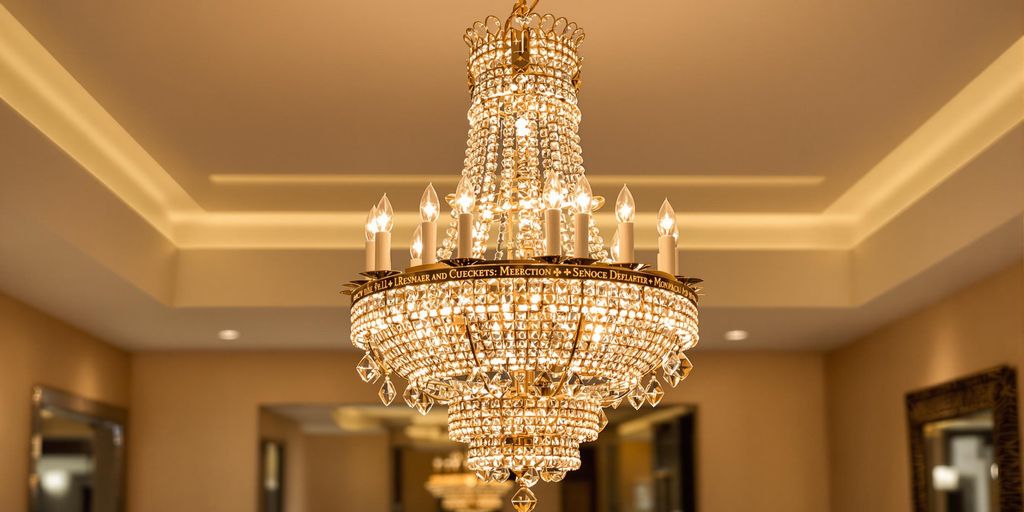
When planning lighting for your dining area, the amount of light you need depends heavily on how you use the space. For general lighting, a good rule is to multiply the room's square footage by 1.5 to determine the ideal wattage. For example, a 10x12 ft room would need around 180 watts. If your dining room doubles as a workspace or homework area, consider layering lights with recessed fixtures or wall sconces to ensure there's enough brightness for tasks.
For a softer, more intimate setting—like a dinner party—opt for a chandelier with dimming capabilities. This allows you to adjust the light to match the mood, whether it’s a quiet family dinner or a lively gathering.
Benefits of Dimmable Chandeliers
Dimmable chandeliers are a game-changer for dining spaces. They let you switch between bright, functional light and a cosy, ambient glow with ease. This versatility is especially useful for transforming the atmosphere based on the occasion. Whether it’s a casual breakfast or a formal dinner, dimmable fixtures adapt seamlessly to your needs.
To make the most of this feature, pair your chandelier with a compatible dimmer switch. Not only does this add convenience, but it also helps extend the lifespan of your light bulbs by reducing their overall usage.
Energy-Saving Options with LED Bulbs
LED bulbs are the gold standard for energy efficiency. They consume far less electricity than traditional incandescent bulbs while offering the same—if not better—light quality. Plus, they generate less heat, which is a bonus in smaller dining rooms where temperature control matters.
Here’s a quick comparison of LED and incandescent bulbs:
| Feature | LED Bulbs | Incandescent Bulbs |
|---|---|---|
| Energy Consumption | Low | High |
| Lifespan (hours) | 15,000-25,000 | 1,000-2,000 |
| Heat Emission | Minimal | Significant |
| Cost Efficiency | Long-term savings | Expensive over time |
Switching to LED bulbs not only reduces your energy bills but also aligns with sustainable living practises. For an even more modern touch, consider exploring modern LED solutions to complement your dining room’s style.
A well-lit dining area isn’t just about brightness—it’s about creating the right mood for every meal while being mindful of energy use. With the right choices, your chandelier can be both stylish and sustainable.
Budgeting for Your Dining Room Chandelier
Affordable Yet Stylish Options
You don’t need to spend a fortune to find a chandelier that looks great in your dining room. Many affordable options are available that balance style and cost effectively. Here are some tips:
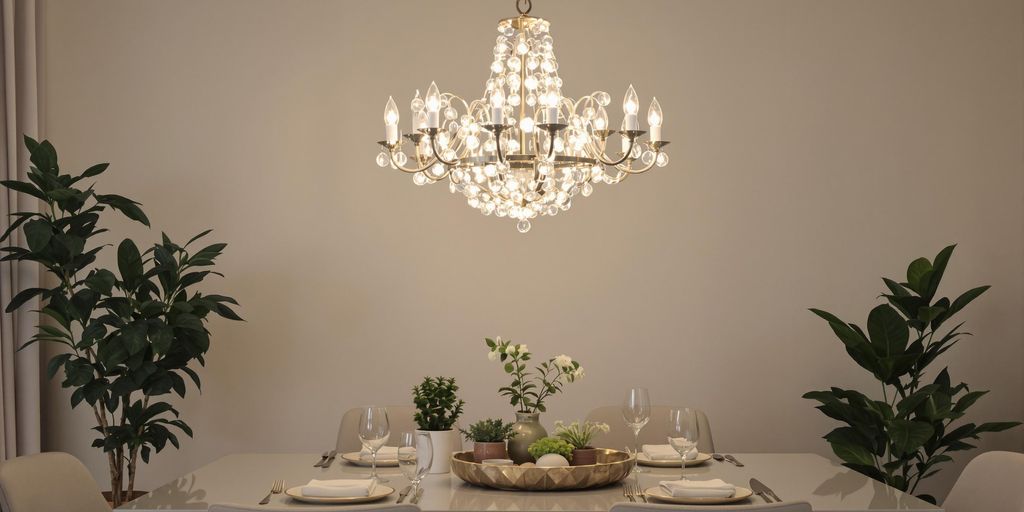
- Mixed Materials: Look for chandeliers made from a combination of materials like metal and glass to achieve a high-end look without the hefty price tag.
- Vintage Finds: Explore second-hand stores or online marketplaces for unique, budget-friendly pieces that can be restored.
- Simple Designs: Minimalist chandeliers often come at lower prices and can still make a statement.
When to Invest in a Statement Piece
Sometimes, splurging on a chandelier is worth it, especially if it will serve as a long-term feature in your home. Think of it as an investment. A well-crafted chandelier can:
- Add value to your property.
- Create a lasting impression for guests.
- Serve as a timeless décor element.
If your dining room is the centrepiece of your home, a statement chandelier might be the perfect finishing touch.
Balancing Cost with Longevity
When budgeting, consider not just the upfront cost but also the long-term value. Here’s how:
| Factor | Budget-Friendly Option | Long-Term Investment |
|---|---|---|
| Materials | Mixed or recycled materials | High-quality metals or crystals |
| Energy Efficiency | Standard bulbs | LED technology |
| Maintenance | Easy-to-clean, simple designs | Durable but intricate designs |
A chandelier is more than just a light fixture—it’s a reflexion of your style and a key element of your dining room’s ambience. Choose wisely to ensure it aligns with your budget and vision.
Practical Tips for Installation and Maintenance
Adjusting Heights with Chains or Cords
Getting the height right is essential for both functionality and style. Here’s how you can adjust your chandelier:
- Use adjustable chains or cords: Many chandeliers come with these features, making it easier to tweak the height.
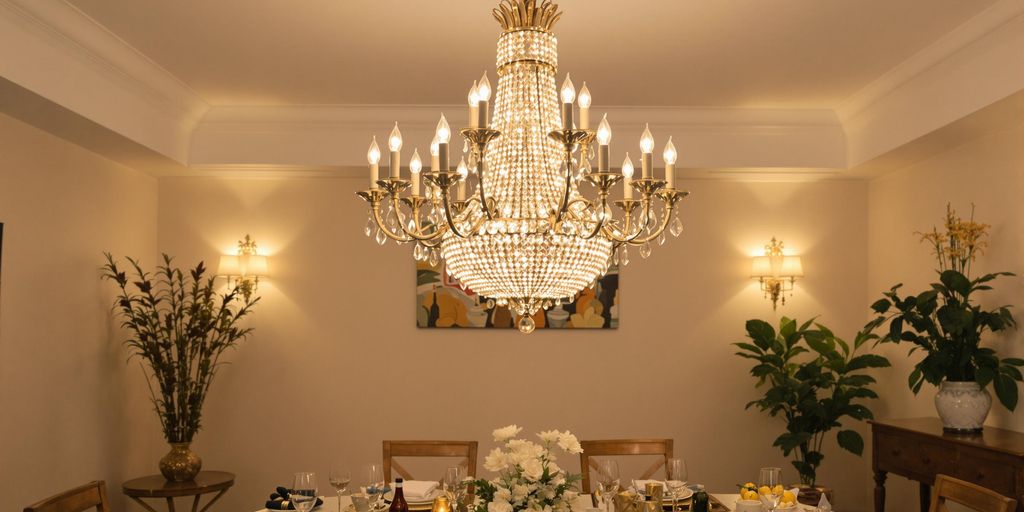
- Consider the table-to-chandelier distance: Aim for about 30-36 inches between the table and the bottom of the chandelier for standard ceilings.
- Adapt to ceiling height: If you have high ceilings, you might need to add extra chain links or extensions.
Using Dimmer Switches for Versatility
A dimmer switch can make a world of difference in how you use your dining space. It’s not just about mood lighting; it’s about flexibility.
- Dim the lights for intimate dinners or brighten them for family gatherings.
- Ensure your chandelier is compatible with dimmable bulbs, especially if you’re using energy-efficient options like LEDs.
- For the best results, choose a dimmer switch designed for the specific type of bulbs in your chandelier.
Cleaning and Preserving Your Chandelier
Keeping your chandelier pristine doesn’t have to be a chore. Follow these tips:
- Choose easy-to-clean materials: Smooth glass or brushed metal finishes are simple to wipe down.
- Use the right tools: A soft cloth and a non-abrasive cleaner are usually all you need. For high ceilings, telescopic cleaning tools can be a lifesaver.
- Avoid harsh chemicals: They can damage delicate finishes or cloud the glass.
Regular maintenance not only keeps your chandelier looking stunning but also extends its lifespan. A quick clean every few months can prevent dust and grime from building up.
Creating Harmony Between Your Chandelier and Dining Space
Complementing Existing Décor
To truly make your chandelier shine, it should feel like a natural part of your dining room. Think about the colours, materials, and overall style of your space. For example, a sleek, metallic chandelier pairs beautifully with modern furniture, while a rustic wooden fixture complements farmhouse-style interiors. Matching the chandelier’s design to your room’s aesthetic creates a seamless and inviting look.
Layering Lighting for Depth
A chandelier alone might not be enough to light your dining area effectively. Combine it with other light sources to add depth and dimension. Consider wall sconces, floor lamps, or even candles for a layered lighting effect. Here’s a simple plan:
- Use the chandelier as the main source of light.
- Add ambient lighting like recessed lights or wall-mounted fixtures.
- Incorporate task lighting if your dining area doubles as a workspace.
Adapting to Different Dining Occasions
Your dining room isn’t just for formal dinners; it’s also where family breakfasts, game nights, and celebrations happen. A dimmable chandelier can adjust to suit any occasion. Brighten the light for lively gatherings or tone it down for an intimate meal.
A versatile chandelier ensures your dining room feels just right, no matter the mood or activity.
By blending style, functionality, and flexibility, your chandelier becomes more than just a light—it transforms your dining space into a truly harmonious setting.
When it comes to making your dining area feel just right, the chandelier plays a big role. It should match the style of your dining space, whether it's modern or traditional. Think about the size and height of the chandelier too; it should not be too low or too high. A well-chosen chandelier can really bring everything together, making your meals more enjoyable. For more tips on lighting and decor, visit our website!
Wrapping It Up
So, there you have it! Picking the right chandelier for your dining area doesn’t have to be a headache. It’s all about finding that sweet spot where size, style, and practicality meet. Whether you’re after something bold and modern or a timeless classic, the right choice can completely change the vibe of your space. Take your time, think about what works for your room and your lifestyle, and don’t be afraid to let your personality shine through. After all, it’s not just a light—it’s a statement piece that’ll make every meal feel a bit more special.
Frequently Asked Questions
How do I choose the right size chandelier for my dining room?
To find the right size, measure the length and width of your dining room in feet. Add those numbers together, and that’s the ideal diameter for your chandelier in inches. Also, ensure the chandelier is about one-half to two-thirds the width of your dining table.
What is the proper height to hang a chandelier above a dining table?
The bottom of the chandelier should hang about 30 to 34 inches above the dining table for standard ceiling heights. For taller ceilings, you can raise the chandelier slightly higher.
Can I use a dimmer switch with my chandelier?
Yes, installing a dimmer switch is a great idea. It allows you to adjust the brightness for different occasions, from cosy dinners to brighter family meals.
What styles of chandeliers work best in dining rooms?
It depends on your décor. Modern chandeliers suit minimalist spaces, while rustic or industrial styles work well in casual settings. For a touch of elegance, a crystal chandelier is a classic choice.
Are LED bulbs suitable for chandeliers?
Yes, LED bulbs are an excellent choice. They are energy-efficient, long-lasting, and come in various brightness levels to suit your needs.
How do I maintain and clean my chandelier?
To clean your chandelier, turn off the power and gently wipe it with a soft, damp cloth. For intricate designs, use a small brush to remove dust from hard-to-reach areas.


