



2026 Update: Ceiling fans are one of the most practical ways to improve comfort in Cape Town homes, apartments, offices and hospitality spaces. They help move air through the room, reduce that stuffy summer feeling, and can add a stylish finishing touch to bedrooms, lounges, open-plan areas and covered living spaces.
Unlike air conditioning, a ceiling fan does not cool the air itself. Instead, it improves air movement, which makes the room feel more comfortable. This is especially useful in Cape Town homes where summer afternoons can become warm indoors, but full air conditioning is not always necessary, affordable or practical.
At Future Light, our ceiling fans include modern ceiling fans with lights, remote-controlled ceiling fans, DC motor fans, low-profile flush mount fans and decorative options for South African interiors. The right fan depends on room size, ceiling height, airflow needs, lighting requirements and the look you want.
Why choose ceiling fans for Cape Town homes and businesses?
Ceiling fans are a smart choice for Cape Town because they offer everyday comfort without the high running costs of full-room cooling. In bedrooms, lounges, offices and open-plan homes, a ceiling fan keeps air moving and helps the space feel fresher during warm weather.
They are also useful year-round. Many modern ceiling fans include reverse airflow settings, which can help circulate warmer air during cooler months. This makes the fan more than a summer product — it becomes part of the room’s overall comfort system.
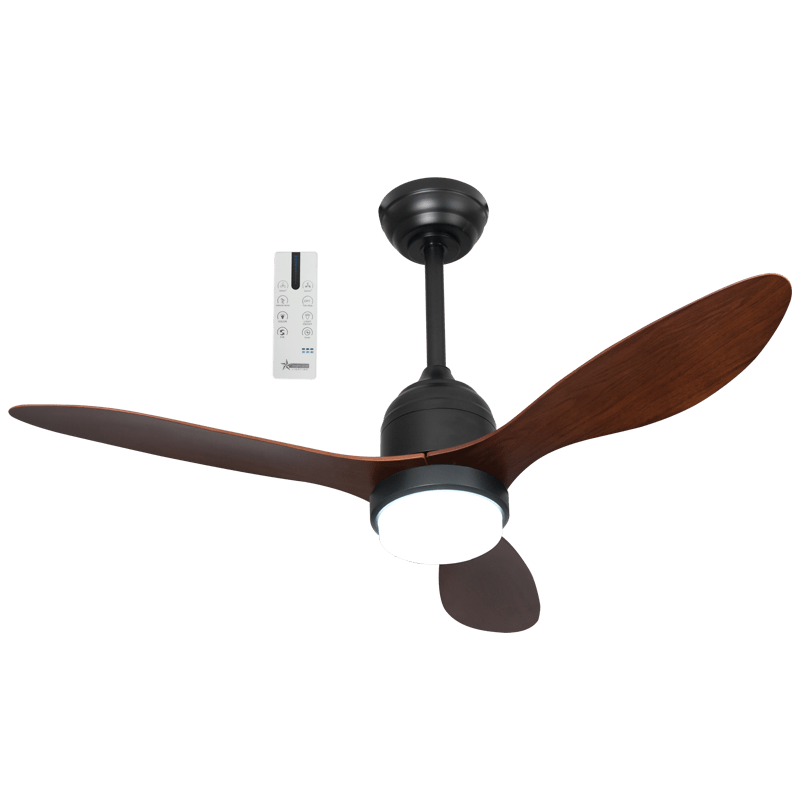
Ceiling fans with built-in LED lights are especially practical where you want one neat fitting to handle both illumination and air circulation. Future Light’s range includes models with integrated LED lighting, remote controls and adjustable colour temperature options, making them useful for bedrooms, kitchens, compact rooms and modern living spaces. :contentReference[oaicite:1]{index=1}
- Energy conscious: Uses air movement to improve comfort without relying only on air conditioning.
- Stylish designs: Modern, flush, white, black and wood-look options are available.
- Better air circulation: Helps reduce stale, stuffy air in everyday rooms.
- Lighting integration: Many models include built-in LED lights.
- Remote convenience: Some fans offer speed, timer, dimming and colour temperature control.
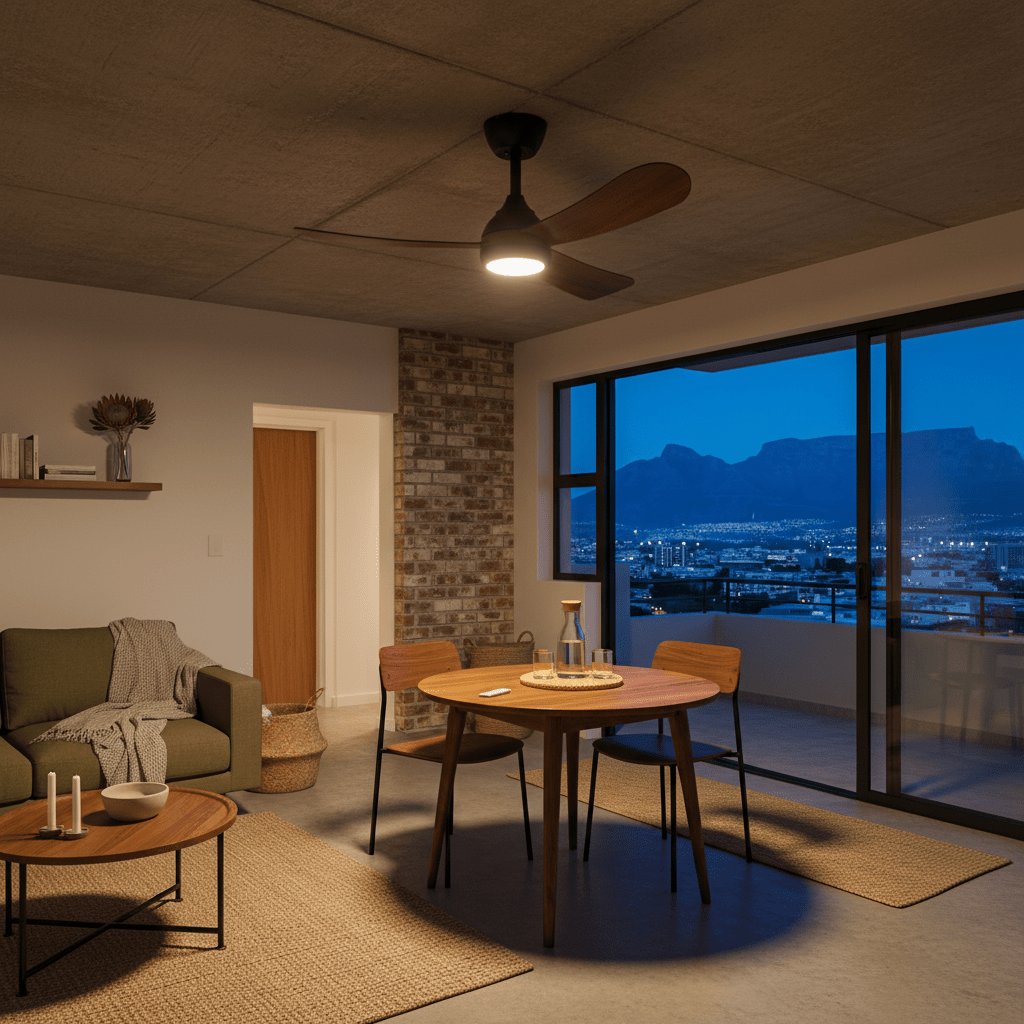
What types of ceiling fans are best for different rooms?
The best ceiling fan depends on the room size, ceiling height and how the space is used. Bedrooms usually need quiet operation and gentle airflow. Lounges and open-plan areas need stronger circulation. Kitchens, bathrooms and compact rooms may benefit from flush-mount fan lights where space is limited.
Ceiling fans with integrated LED lights are practical where you want a neat all-in-one solution. Some modern models offer dimming and CCT colour temperature adjustment, allowing the light to shift between warmer and cooler tones depending on the time of day or task. The Square CCT LED Ceiling Fan, for example, combines remote control, dimmable integrated LED lighting and adjustable colour temperatures in a compact ceiling fitting. :contentReference[oaicite:2]{index=2}
For larger living areas, a wider fan with stronger airflow is usually better. A 48-inch or 52-inch DC motor ceiling fan is generally more suitable for bedrooms, lounges and open-plan areas than very compact fan lights. DC motor models are popular because they are quiet, efficient and often include remote controls with multiple speeds. :contentReference[oaicite:3]{index=3}
- LED ceiling fans: Best when you need airflow and general lighting in one fitting.
- DC motor ceiling fans: Best for quieter, more energy-efficient airflow.
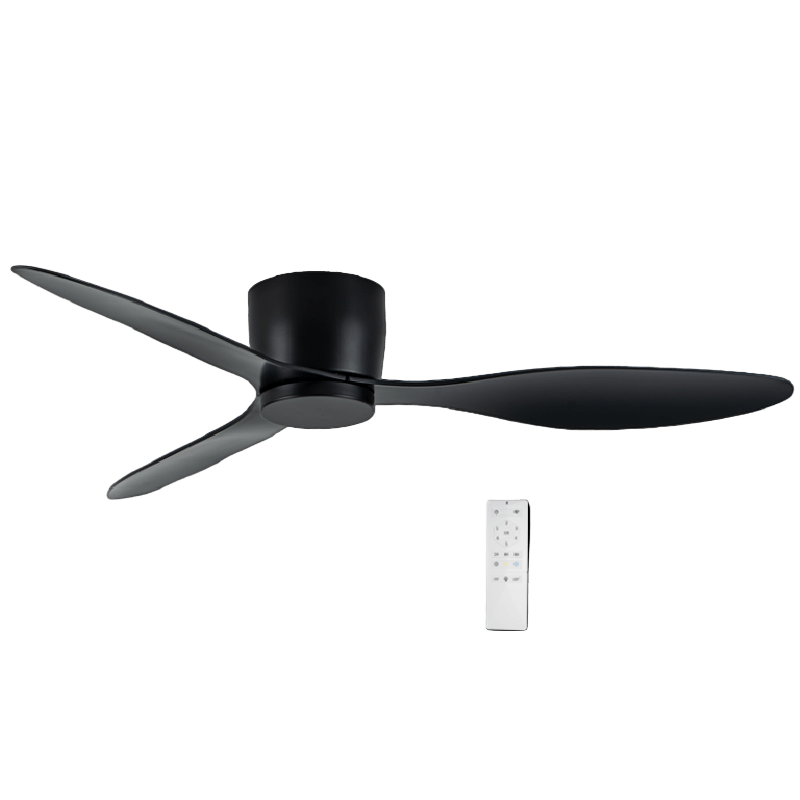
- Flush mount fans: Best for lower ceilings and compact rooms.
- Large blade fans: Best for lounges, bedrooms and open-plan living areas.
- Outdoor-rated fans: Best for suitable covered patios and verandas where specified.
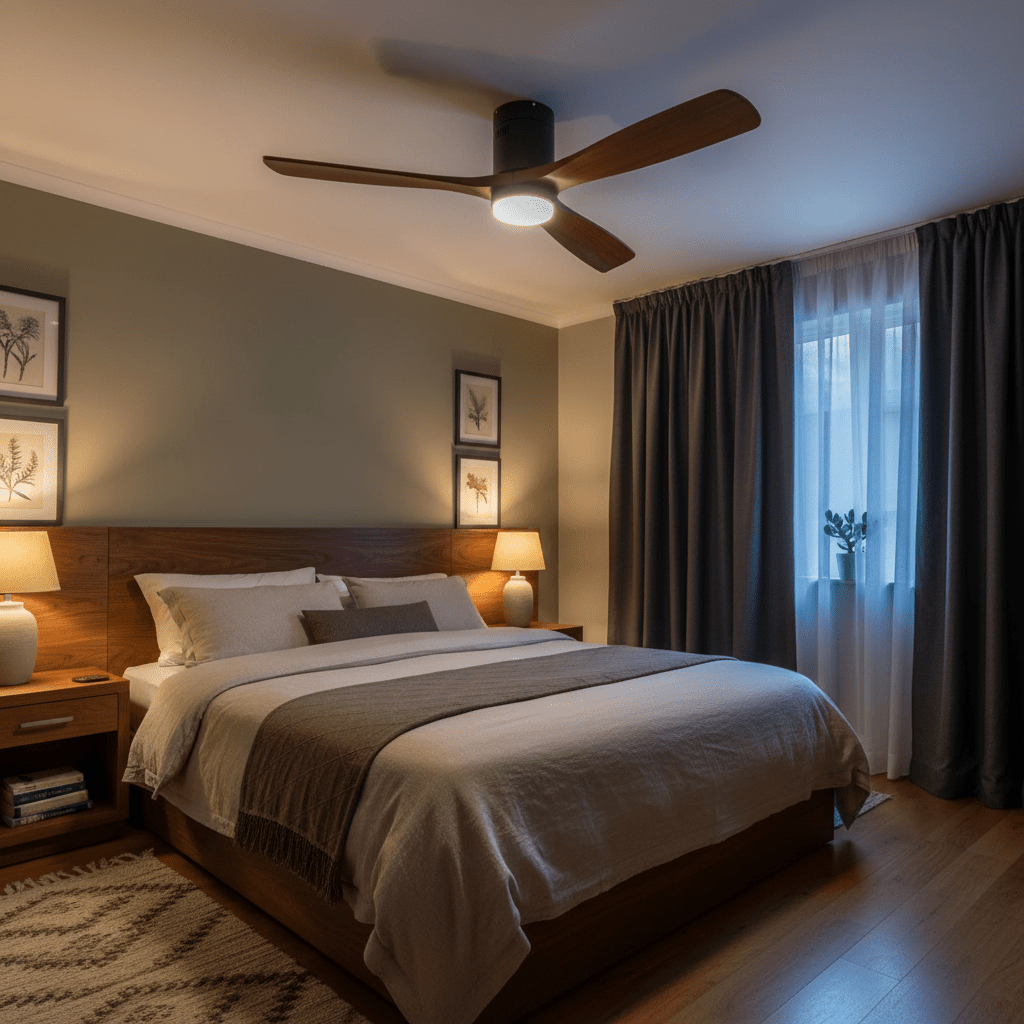
Where should ceiling fans be used?
Ceiling fans should be used in rooms where regular airflow improves comfort. They are most common in bedrooms, lounges, dining rooms, home offices, open-plan living areas and suitable covered outdoor spaces. They can also work well in guesthouses, cafés, offices and hospitality rooms where quiet comfort matters.
In bedrooms, ceiling fans are useful because they can keep air moving overnight without the chill or cost of air conditioning. In lounges, they help larger spaces feel less stagnant. In home offices, gentle airflow can make long working hours more comfortable during warm months.
For covered patios and balconies, only use fans that are suitable for that type of environment. Not every ceiling fan is outdoor-rated. If the space is exposed to moisture, wind or coastal air, product suitability and material quality become much more important.
- Bedrooms: Gentle overnight airflow and quiet comfort.
- Living rooms: Broader circulation for everyday comfort.
- Home offices: Air movement during focused work sessions.
- Guesthouses: Practical comfort without overusing air conditioning.
- Covered patios: Only where the fan is suitable for that application.
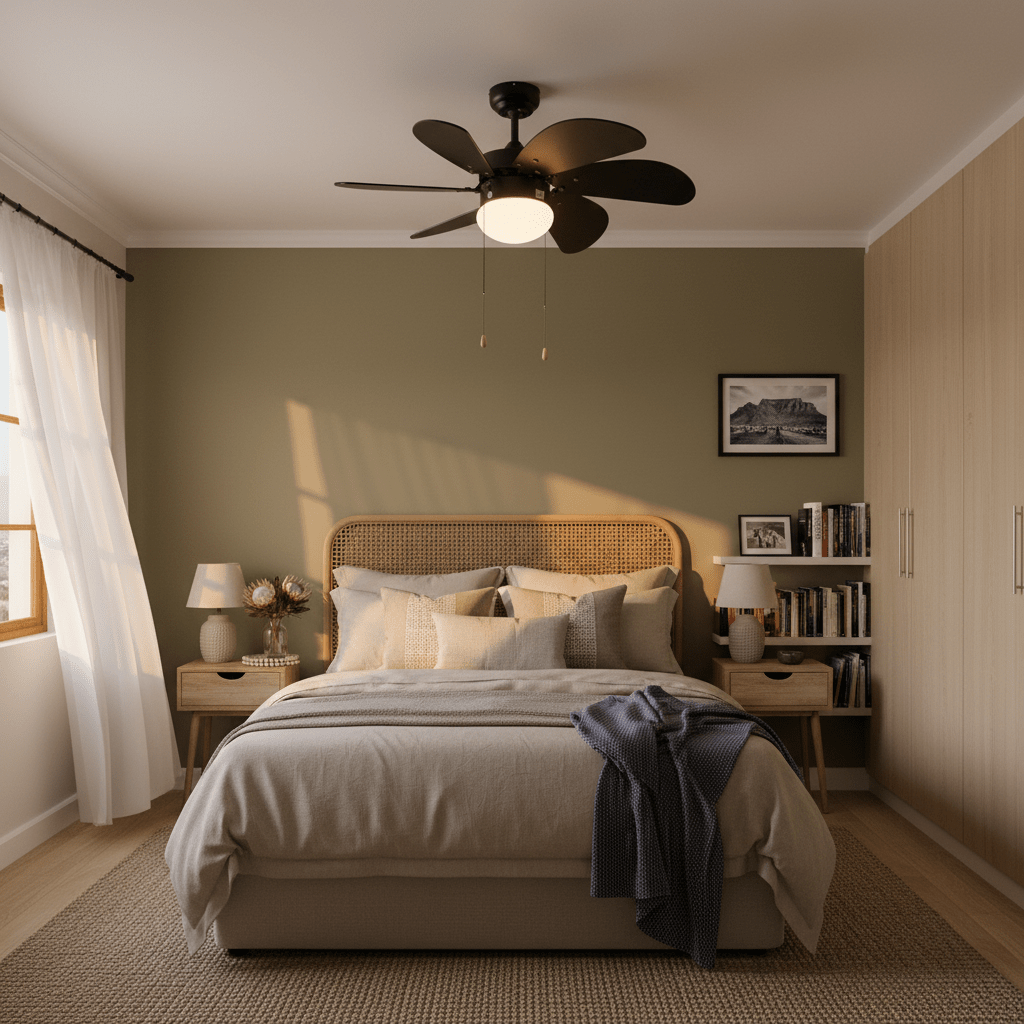
How do you choose the right ceiling fan size?
Ceiling fan size should match the room size. A compact fan may work in a small bedroom or kitchen, but larger lounges and open-plan areas need a wider fan to move air effectively. Choosing only by looks can lead to poor airflow if the fan is too small for the room.
As a practical guide, small rooms can use compact fan lights or smaller blade spans, while medium to large bedrooms and lounges usually need larger fans such as 48-inch or 52-inch models. For very large rooms, open-plan areas or commercial spaces, more than one fan may be needed for even airflow.
Blade span, motor strength and room layout all matter. A 52-inch DC motor ceiling fan, for example, is designed for bedrooms, lounges, offices and open-plan living areas, with multiple speeds and reverse mode for seasonal airflow control. :contentReference[oaicite:4]{index=4}
| Room Type | Typical Fan Approach | Practical Note |
|---|---|---|
| Small bedroom, kitchen or compact room | Compact or flush-mount fan light | Good where ceiling space is limited |
| Medium bedroom or lounge | Standard ceiling fan with remote | Balance airflow, noise and style |
| Large lounge or open-plan space | 48-inch, 52-inch or larger fan | May need more than one fan for even airflow |
In short: Match the fan size to the room volume, not only the ceiling style.
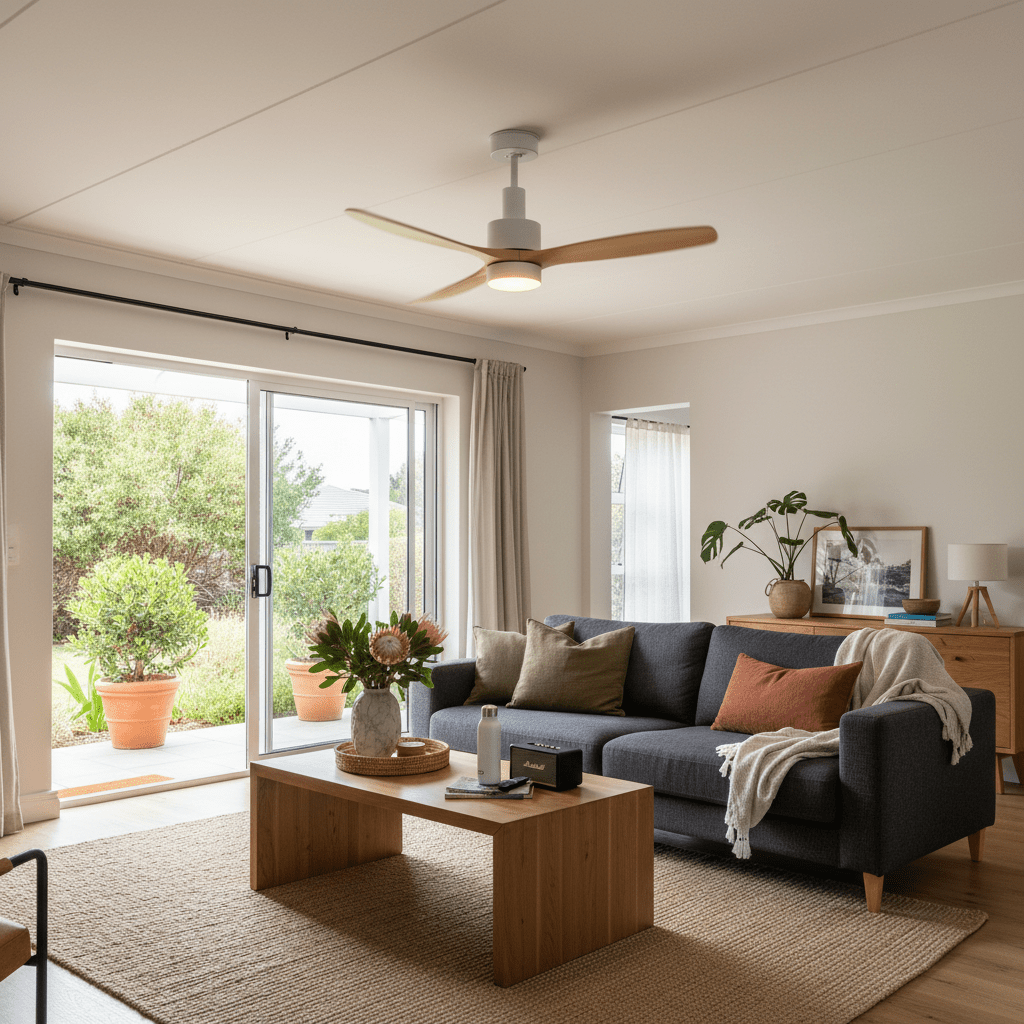
How high should a ceiling fan be installed?
A ceiling fan should be installed high enough for safe clearance while still allowing effective airflow. As a general rule, the fan blades should sit at least 2.3m above the floor, and there should be enough clearance from walls, beams, cupboards and light fittings.
Ceiling height is especially important in apartments and older homes. If the ceiling is low, a flush-mount or low-profile ceiling fan may be a better choice than a standard downrod model. Flush-mount LED ceiling fans are designed for rooms where a lower-profile fitting is preferred. :contentReference[oaicite:5]{index=5}
For higher ceilings, a downrod may be needed so the fan sits at a more effective height. A fan mounted too high may move air near the ceiling but not provide enough comfort at sitting or sleeping level. Professional installation helps ensure the fan is safely fixed and correctly positioned.
- Minimum clearance: Aim for at least 2.3m from floor to blade level.
- Low ceilings: Consider flush-mount or compact fan lights.
- High ceilings: A downrod may improve airflow effectiveness.
- Side clearance: Keep blades away from walls, beams and furniture.
- Professional installation: Ceiling fans must be safely mounted to suitable support.
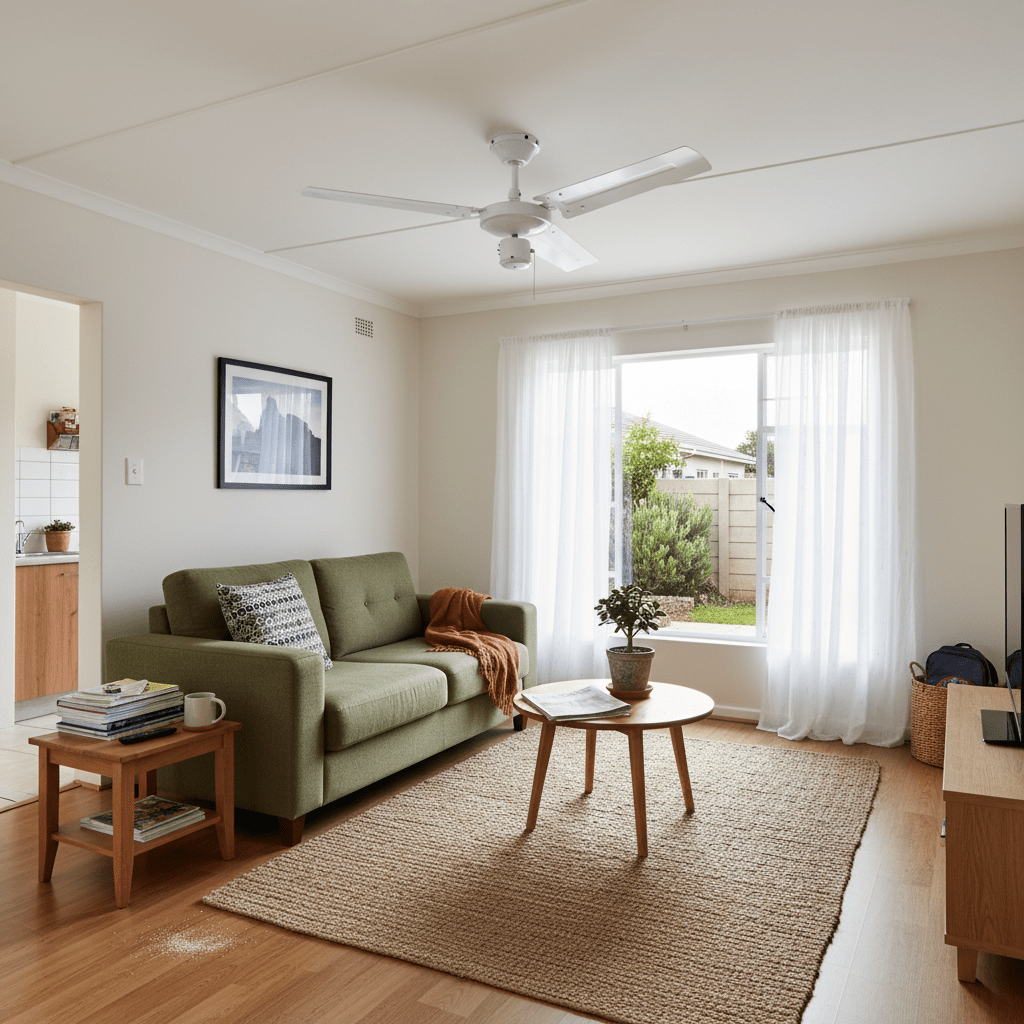
Are ceiling fans with lights worth it?
Ceiling fans with lights are worth it when you want airflow and general room lighting from one ceiling point. They are especially useful in bedrooms, kitchens, compact rooms and apartments where one central fitting needs to do more than one job.
Modern fan lights can include dimmable LEDs, CCT colour temperature adjustment and remote controls. This makes them far more versatile than older fan-light combinations. Some models allow you to change between Warm, Cool and Daylight tones depending on whether you are relaxing, working or cleaning. :contentReference[oaicite:6]{index=6}
The main limitation is style and beam spread. A fan with an integrated light may not create the same decorative effect as a pendant or chandelier. For rooms where atmosphere is very important, you may still want lamps, wall lights or accent lighting to soften the space.
In short: Ceiling fans with lights are excellent for practical rooms, but layered lighting still gives the best atmosphere.
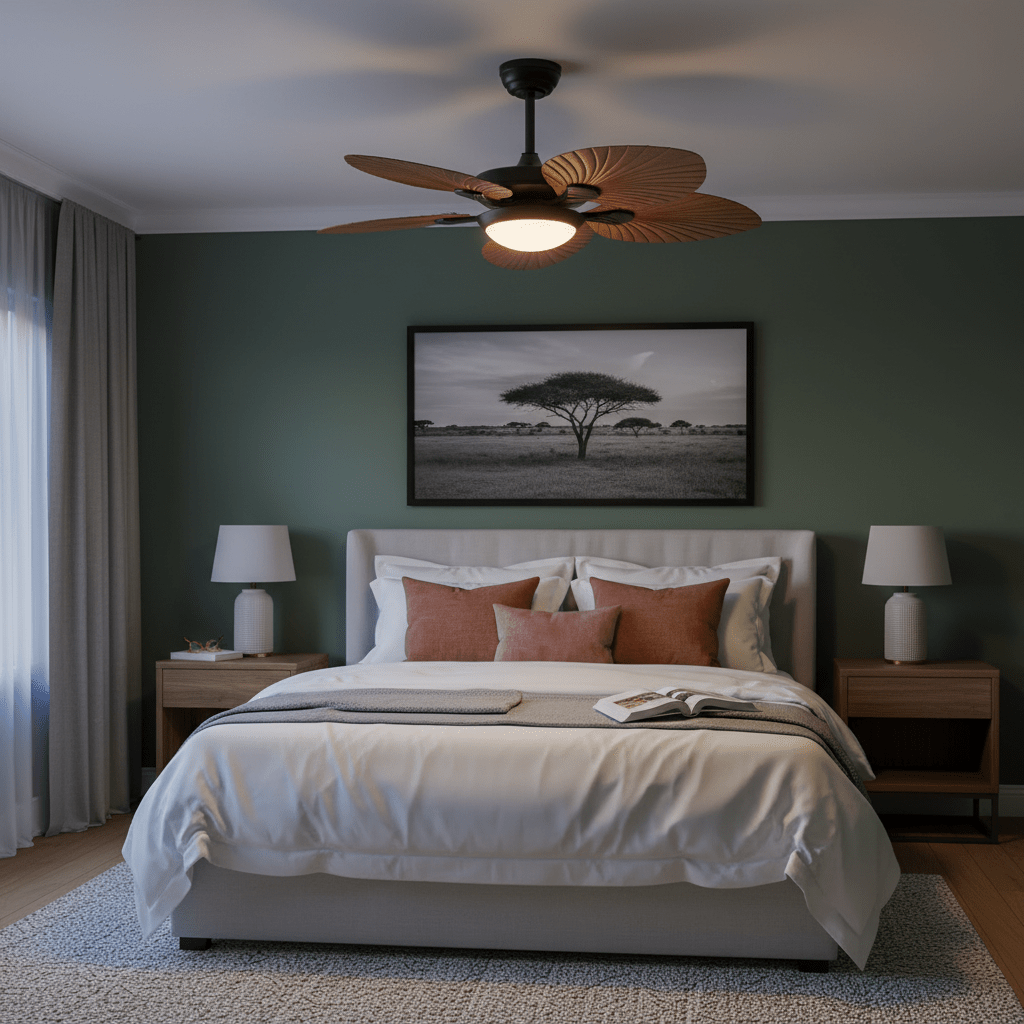
What colour temperature is best for ceiling fan lights?
The best colour temperature for a ceiling fan light depends on the room. Warm White around 3000K is best for bedrooms and lounges, while Cool White around 4000K is better for kitchens, bathrooms, studies and workspaces.
Many modern ceiling fans with lights offer CCT adjustment, allowing you to select different colour temperatures from one fitting. This is useful when the same room is used for different activities. A bedroom may need warm light at night and brighter neutral light during the day.
Some Future Light fan-light models include tri-colour or adjustable CCT lighting, with options such as 3000K Warm White, 4000K Cool White and 6000K Daylight. This gives more flexibility than choosing a fixed colour temperature. :contentReference[oaicite:7]{index=7}
| Colour Temperature | Best Use | Room Feel |
|---|---|---|
| 3000K Warm White | Bedrooms, lounges, relaxed living areas | Warm, soft and comfortable |
| 4000K Cool White | Kitchens, bathrooms, offices, studies | Clean, balanced and practical |
| 6000K Daylight | High-visibility task moments | Bright, crisp and more alert |
In short: Choose CCT fan lights if you want one ceiling fan to support both relaxed and practical lighting moods.
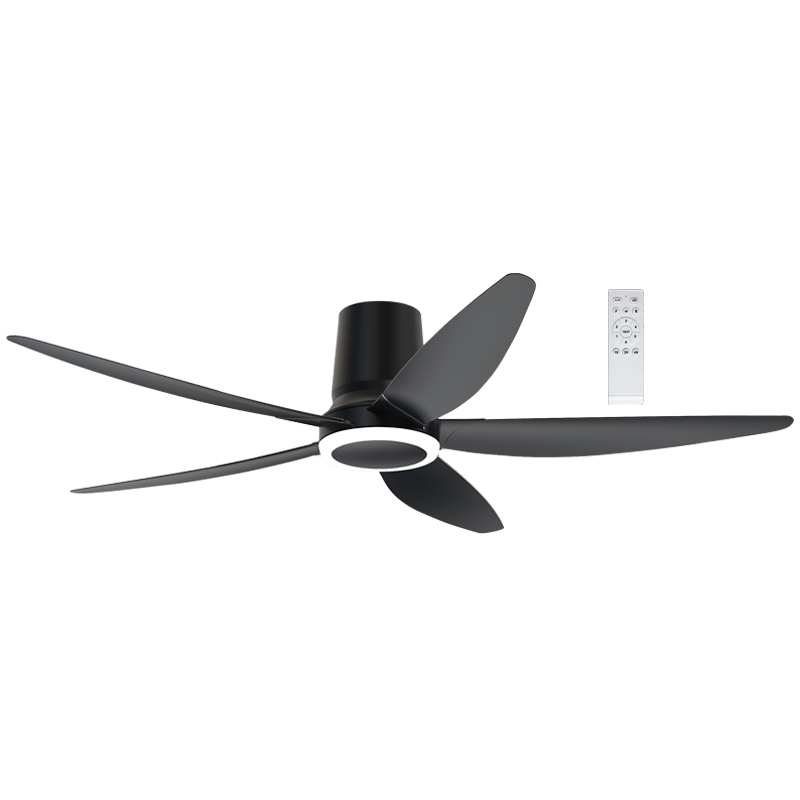
Are DC motor ceiling fans better?
DC motor ceiling fans are often better when quiet operation, energy efficiency and speed control matter. They are popular for bedrooms, lounges and offices because they tend to run more quietly than older-style AC fans and often include multiple speed settings.
Many DC fans also include reverse mode, which allows airflow direction to be changed for seasonal use. This is useful for circulating air in both summer and cooler months. A 48-inch white DC motor ceiling fan from Future Light, for example, includes a 35W copper DC motor, CCT LED light, remote control, dimming and reverse mode. :contentReference[oaicite:8]{index=8}
DC ceiling fans may cost more upfront than basic fan options, but the comfort, quieter operation and control features can make them worthwhile in rooms used every day. For bedrooms especially, noise level should be taken seriously.
In short: Choose a DC motor fan if quiet, efficient and adjustable airflow is a priority.
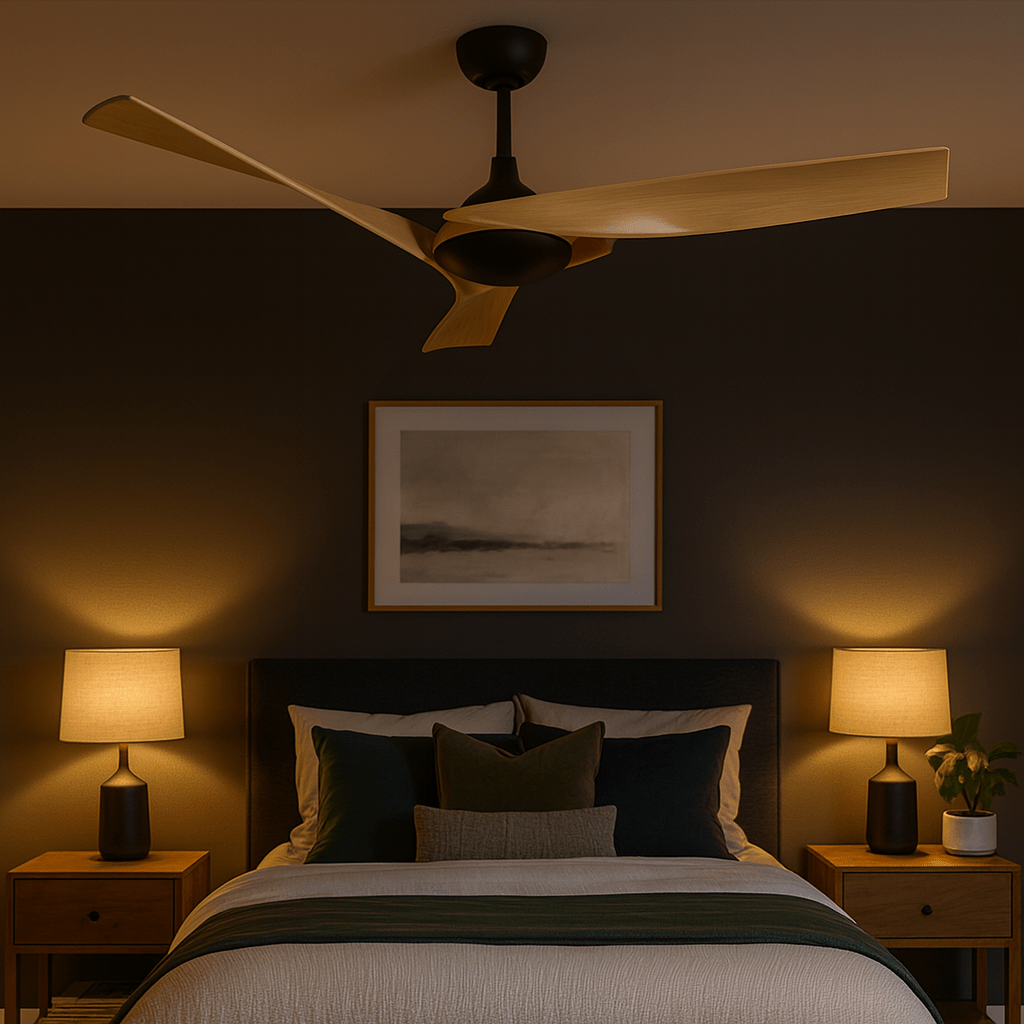
Do ceiling fans need professional installation?
Yes, ceiling fans should be installed by a qualified electrician or competent professional. A ceiling fan is heavier and more dynamic than a normal light fitting because it moves, vibrates and places mechanical load on the ceiling support.
Proper installation includes safe electrical wiring, secure mounting, correct blade clearance and balancing. If a fan is installed on an unsuitable ceiling point, it may wobble, become noisy or create a safety risk. This is especially important for larger fans and fans with downrods.
If you are replacing a normal ceiling light with a fan-light, do not assume the existing box or fixing point is strong enough. Confirm support, ceiling structure and electrical compatibility before installation.
- Use proper support: Ceiling fans need secure mounting points.
- Check wiring: Remote, light and fan controls must be correctly connected.
- Balance blades: Reduces wobble and noise.
- Confirm clearance: Keep safe height and side spacing.
- Use a professional: Safe installation matters for long-term performance.
Send Future Light your room size, ceiling height and whether you need built-in lighting, and we can help you narrow down suitable ceiling fan options.
Contact Future LightCeiling fan buying checklist
- Room size: Choose a fan blade span that suits the room volume.
- Ceiling height: Use flush-mount fans for lower ceilings and downrods where needed.
- Lighting needs: Decide whether you need a fan with an integrated LED light.
- Colour temperature: CCT models offer Warm, Cool and Daylight options.
- Motor type: DC fans are often quieter and more efficient.
- Control method: Remote control is convenient for bedrooms and lounges.
- Installation support: Confirm the ceiling can safely support a moving fan.
Where can you buy ceiling fans in Cape Town?
You can buy ceiling fans in Cape Town online from Future Light, with options for bedrooms, lounges, offices, kitchens, compact rooms, guesthouses and commercial interiors. Shopping online makes it easier to compare fan sizes, motor types, lighting features and control options before choosing.
Future Light offers ceiling fans with lights, DC motor fans, remote-controlled models, low-profile fan lights and modern decorative options. Whether you need a simple bedroom fan or a bold statement fan for a larger living area, the right model should match the room size and ceiling height.
If you are unsure what to choose, start with the room. Bedrooms need quiet operation. Lounges need stronger airflow. Low ceilings may need flush-mount designs. Rooms that only have one ceiling point may benefit from a ceiling fan with integrated LED lighting.
Key takeaways
- Ceiling fans improve comfort by moving air through Cape Town homes and businesses.
- Ceiling fans with LED lights are useful where one fitting must provide both airflow and illumination.
- DC motor fans are often quieter, more efficient and better suited to bedrooms and lounges.
- Choose fan size based on room size, not only the look of the fitting.
- Install ceiling fans at a safe height, with at least 2.3m floor clearance where possible.
- Use a qualified installer to ensure secure mounting, safe wiring and balanced operation.
Frequently asked questions about ceiling fans
What are ceiling fans used for?
Ceiling fans are used to improve air circulation and make rooms feel more comfortable. They work well in bedrooms, lounges, offices, open-plan spaces and suitable covered outdoor areas.
Are ceiling fans energy efficient?
Yes, ceiling fans are energy-conscious cooling tools because they improve comfort through air movement rather than cooling the air like an air conditioner. DC motor fans are often especially efficient.
What size ceiling fan do I need?
The correct ceiling fan size depends on the room size and ceiling height. Small rooms can use compact fans, while bedrooms, lounges and open-plan areas usually need larger blade spans for better airflow.
Are ceiling fans with lights a good idea?
Yes, ceiling fans with lights are useful where one ceiling point needs to provide both air circulation and general room lighting. CCT and dimmable LED models offer extra flexibility.
What ceiling height is needed for a ceiling fan?
As a general guide, ceiling fan blades should be at least 2.3m above the floor. Low ceilings may require a flush-mount ceiling fan or compact fan light.
Are DC motor ceiling fans better?
DC motor ceiling fans are often quieter and more energy efficient than older-style fans. They usually offer multiple speed settings and are well suited to bedrooms, lounges and offices.
Do ceiling fans need professional installation?
Yes, ceiling fans should be installed by a qualified electrician or competent professional because they require secure mounting, safe wiring and proper balancing.
Where can I buy ceiling fans in Cape Town?
You can buy ceiling fans in Cape Town from Future Light online. The range includes LED ceiling fans, DC motor fans, remote-controlled models and modern fan-light options.
Conclusion
Ceiling fans are a practical and stylish cooling solution for Cape Town homes, offices and commercial spaces. They improve air movement, reduce stuffiness and can also provide useful LED lighting when you choose a fan-light model.
The best ceiling fan depends on the room size, ceiling height and how the space is used. Choose quiet fans for bedrooms, stronger airflow for lounges, flush-mount designs for lower ceilings, and CCT LED fan lights where lighting flexibility matters.
Explore ceiling fans, browse our wider fan range, or contact Future Light if you need help choosing the right ceiling fan for your space.


