



2026 update: Industrial wall fans are no longer limited to factories and workshops — they’ve become one of the smartest cooling solutions for South African homes, garages, and small businesses. With rising electricity costs and the reality of load shedding, more people are turning to efficient airflow instead of relying solely on air conditioning.
In the thick of summer, finding a cool breeze in your home or workspace can feel like chasing rain in the Karoo. That’s where a properly installed industrial wall fan changes everything — delivering powerful, targeted airflow exactly where you need it.
At Future Light, we’ve spent over 16 years helping South Africans cool everything from café kitchens in Cape Town to workshops in Joburg and garages in George. One thing stays consistent: when the heat hits hard, industrial wall fans outperform standard options every time.
Key Takeaways
- Powerful airflow makes them ideal for hot South African environments.
- Wall-mounted design saves space and improves airflow direction.
- Durable construction handles dust, grease, and heavy usage.
- Energy-efficient cooling compared to air conditioning systems.
- Works well with solar and backup systems during load shedding.
- Long lifespan reduces replacement and maintenance costs.
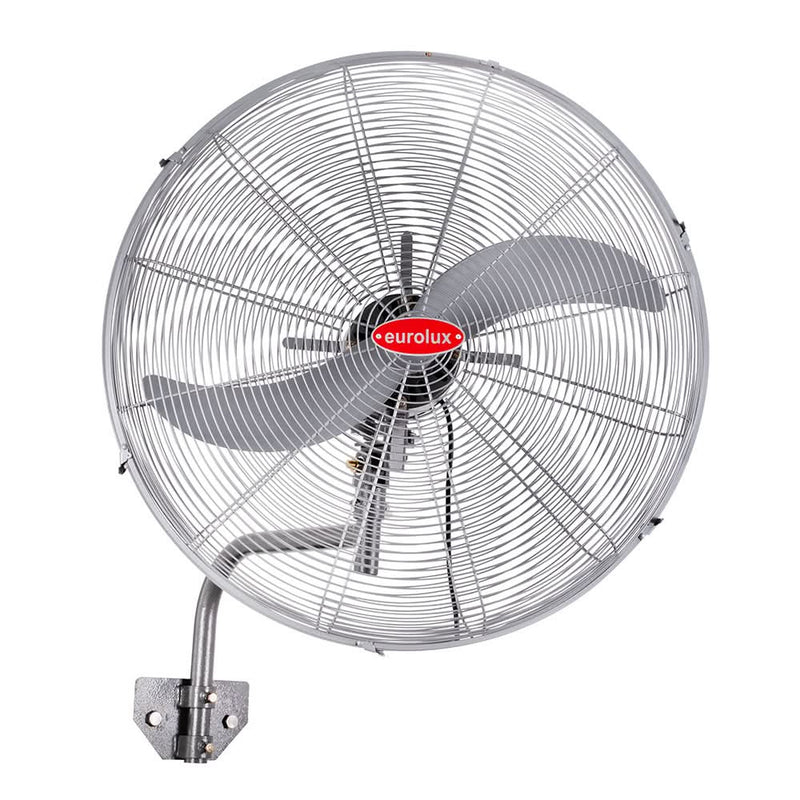
Why South Africans Are Choosing Industrial Wall Fans
Industrial wall fans are becoming increasingly popular across South Africa because they solve a very real problem — heat management in spaces where traditional cooling just isn’t practical or affordable.
Unlike standard pedestal or desk fans, industrial units are designed for serious airflow. They feature larger blades, stronger motors, and better airflow reach, making them ideal for garages, kitchens, workshops, and even open-plan living spaces.
Another major advantage is durability. South African environments can be harsh — from coastal humidity to Highveld dust — and industrial fans are built to handle these conditions without constant maintenance.
Cost efficiency is another reason they’re gaining traction. Compared to air conditioning systems, wall fans use far less electricity and can still significantly improve comfort levels, especially when paired with ceiling fans or rechargeable fans.

Where Industrial Wall Fans Work Best
Industrial wall fans are incredibly versatile, which is why they’re being used far beyond traditional industrial settings.
In garages and DIY spaces, they provide strong airflow without taking up valuable floor space. This is especially useful during summer when enclosed areas trap heat quickly.
In restaurants and kitchens, they help manage heat buildup from cooking equipment while improving air circulation for staff comfort and safety.
Warehouses and storerooms benefit from improved air movement, helping reduce humidity and preventing stagnant air that can lead to mould or product damage.
Even in homes, they’re becoming popular in braai rooms, patios, and home gyms where airflow matters more than aesthetics alone.

Industrial Wall Fan vs Ceiling Fan
| Feature | Wall Fan | Ceiling Fan |
|---|---|---|
| Airflow Direction | Focused | Wide coverage |
| Installation | Wall mounted | Ceiling mounted |
| Best Use | Workspaces, kitchens | Living areas |
| Space Saving | High | Medium |
Installation Tips for Best Performance
Installing your industrial wall fan correctly makes a massive difference to performance.
Mount the fan between 1.8m and 2.2m high. This keeps it safe while ensuring airflow reaches the right areas.
Always secure the fan to a solid surface like brick or concrete. These units are heavier than standard fans and need proper anchoring.
Positioning is key — aim the fan across the space rather than directly at one spot to improve circulation.
Leave enough clearance around the fan for maintenance and airflow efficiency.

Conclusion
If you’re dealing with heat in your home, workspace, or business, an industrial wall fan is one of the smartest upgrades you can make. It’s affordable, efficient, and built to handle South African conditions without constant maintenance.
Whether you’re cooling a garage, improving airflow in a kitchen, or just making your space more comfortable during summer, these fans deliver reliable performance where it matters most.
Frequently Asked Questions
Are industrial wall fans noisy?
Modern models are designed to balance airflow and noise, making them suitable for both commercial and home use.
Can I use them with solar power?
Yes, many users pair them with solar or backup systems for load shedding.
Are they better than air conditioning?
They are more energy-efficient but serve a different purpose — airflow rather than cooling air temperature.


