



Whether you’re starting seedlings on your balcony in Joburg or keeping a lush monstera alive through cloudy Cape winters, plant grow lights can be a total game-changer. With unpredictable seasons, load-shedding, and limited sunlight in some homes, artificial lighting isn’t just for pros anymore — even your gran’s spekbome might thrive under the right glow!
At Future Light, we’ve helped many South Africans bring life to everything from intricate wall-mounted herb gardens in Sandton flats to vertical hydroponic setups in Cape Town’s southern suburb kitchens. Over our 16+ years, we’ve learned a thing or two — like how a good quality grow light can be the difference between basil that bolts and basil that thrives.
Key Takeaways
- Sunlight shortages can stunt plant growth — grow lights help during low-light months or poor placement inside homes.
- LED grow lights are energy-efficient and emit spectra ideal for photosynthesis.
- Mounting grow lights 15–30cm above your plants gets the best light spread without burning them.
- LED lights consume less electricity — an eco-friendly option even during load-shedding.
- Choose between bar-style, bulb, or panel grow lights based on plant type and space.
- Over time, indoor grow lights can allow year-round harvests and sustainable indoor veggie growing.

Understanding Plant Grow Lights
What do grow lights actually do?
Grow lights are artificial lighting devices that mimic natural sunlight, supplying plants with the full spectrum of light they need for photosynthesis — even indoors or during cloudy weather. They’re especially handy in urban South African homes where outdoor gardening space is limited.
How grow lights differ from ordinary bulbs
Your standard LED or incandescent bulb might light a room, but it won’t support plant health. Grow lights are designed to emit blue and red light – the two most vital wavelengths for vegetation and flowering. The tech is clever and purposeful, not just bright!
Types of grow lights available in SA
There’s a brilliant range locally – from full-spectrum LED panels and bar lights to screw-in bulbs you can pop into any E27 fitting. At Future Light’s LED grow lights collection, you'll find LED options that cater to small indoor spaces or expansive vertical garden setups.
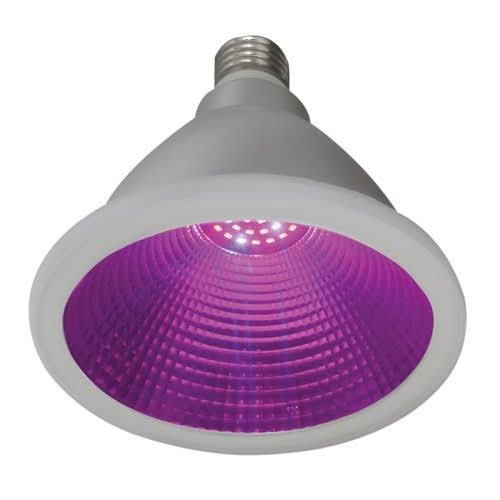
Think of grow lights as artificial sunshine — perfect for rainy weeks, windowless rooms, and after-dark tomato lovers.
South Africa’s Light and Climate Challenges
Cloud cover and low winter sun
While we’re blessed with sunshine in places like the Karoo, coastal areas like Cape Town experience long stretches of cloudy winter days. During these grey spells, even north-facing windows don’t provide enough light — grow lights pick up the slack.
Load-shedding and its gardening impact
Load-shedding throws a spanner into many routines, including indoor gardening. Thankfully, LED grow lights use very little power, so they can be run off a battery backup or inverter setup with ease — keeping your fiddle leaf fig happy until Eskom returns.
Adapting urban lifestyles to indoor growing
Living on the 8th floor in Pretoria or in a Stellenbosch student flat doesn’t mean you can’t cultivate a jungle. Grow lights make kitchen herbs or apartment microgreens totally doable, no matter what direction your “sunny” window faces.

The weather, your view, or even Eskom shouldn’t stop your succulents from thriving indoors.
Whether you’re nurturing house plants or starting a veggie patch from scratch, browse our LED grow lights collection to find the perfect solution for your space. Need inspiration? Don’t miss our lighting blog for more expert tips. Or check out our Samantha Indoor Surface Downlight to blend plant glow with ambient room lighting.
Frequently Asked Questions
Q1: What plants benefit most from grow lights in South Africa?
A1: Herbs like basil, parsley, and thyme, as well as leafy greens, succulents, and orchids, all benefit from consistent light provided by LED grow lights. They’re especially helpful for sun-loving plants during cloudy seasons or for indoor-only setups.
Q2: Can I leave a grow light on all day?
A2: No, plants need periods of darkness too! Most houseplants thrive under 12–16 hours of grow light per day. Use a timer plug to automate the cycle for consistent results.
Q3: Are LED grow lights energy efficient?
A3: Absolutely. LED grow lights use up to 70% less energy than older technologies and emit targeted spectrums, reducing waste and heat output — ideal for off-grid setups or households managing loadshedding.
Q4: How far should I position my grow light above plants?
A4: In general, mount your grow light 15–30cm above the top of your plants for optimal growth. Adjust this depending on the light intensity and specific plant species.
Q5: Do I need a different bulb or fixture?
A5: Many grow lights are plug-and-play and can be used in standard E27 fittings. But for larger setups or higher output, go for panel or tube-style options from our grow lights collection.
Q6: Do LED grow lights get hot?
A6: Not usually — one of LED’s big advantages is low heat emission, making them safe to use in small spaces or close to foliage without risking leaf burn.
Q7: Can I use grow lights in winter only?
A7: You can, but many Saffas use them year-round to supplement poor lighting conditions indoors. Handy for herbs in kitchen corners or indoor houseplants throughout the year.
Q8: What's the lifespan of a typical LED grow light?
A8: Most quality LED grow lights last 25,000–50,000 hours or more, meaning you won’t need to swap them out for years — a wise long-term investment in your urban jungle.


