


Whether you’re prepping dinner during a surprise Stage 6 announcement or finishing up homework by candlelight, reliable backup lighting has become essential in South African homes. Instead of scrambling for rechargeable bulbs that may or may not be charged, standalone inverter and battery backup systems offer a robust, worry-free solution that keeps the lights on — no matter what Eskom decides.
At Future Light, we’ve seen countless families and small businesses move from basic emergency bulbs to proper battery backup kits. After 16+ years of lighting expertise, we can confidently say these systems give you the freedom to keep your existing lights and enjoy far more dependable performance, especially for longer outages.
Key Takeaways
- Standalone inverter & battery kits provide reliable backup lighting during load shedding
- No need to replace your current bulbs — works with existing light fittings
- Automatically charges when power is restored
- Can run multiple lights at once, depending on sizing
- Requires professional installation for safety and proper wiring
- Longer runtime and higher reliability than rechargeable bulbs
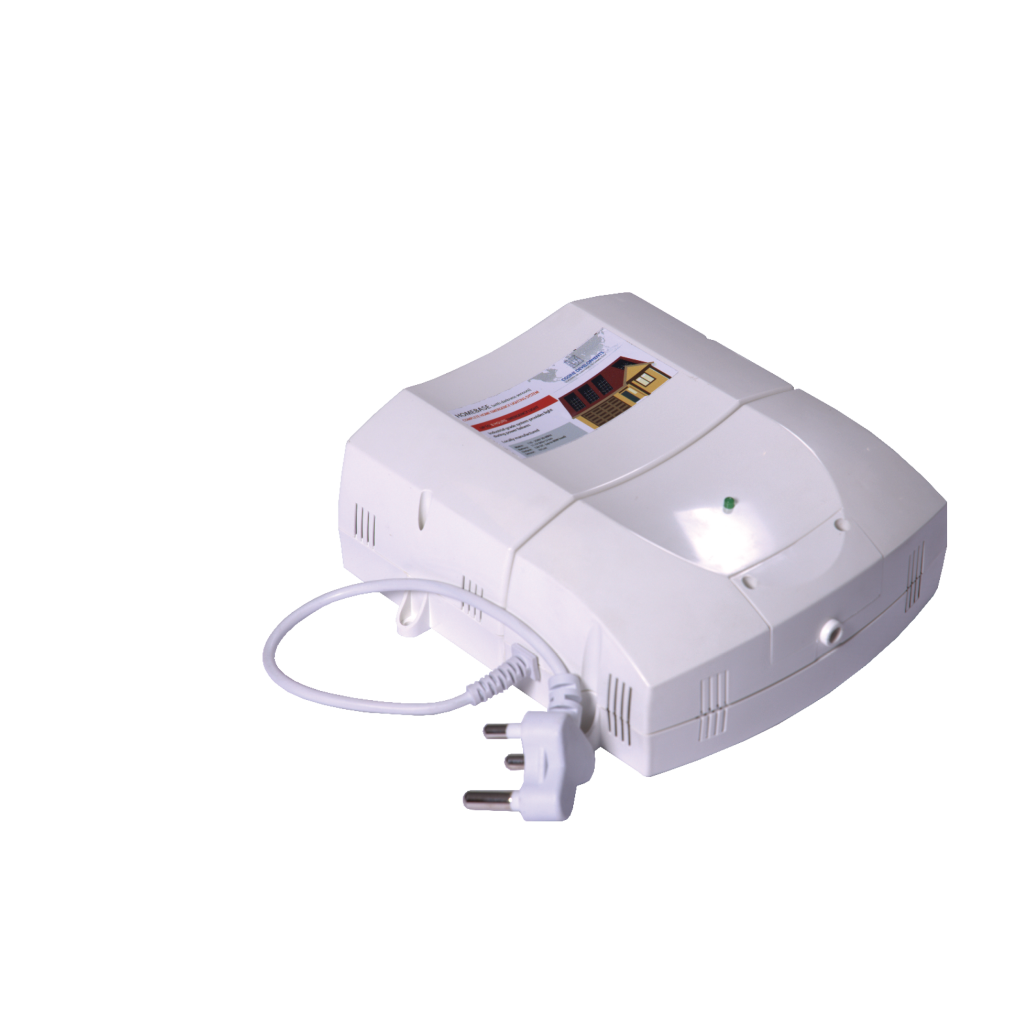
Why Choose an Inverter & Battery Backup Over Rechargeable Bulbs
No More Forgetting to Charge
Rechargeable bulbs rely on you remembering to switch them on so they can charge — and when load shedding hits unexpectedly, you might find yourself in the dark. With an inverter system, the battery charges automatically whenever the power is on, so it’s always ready when you need it.
Keep Your Existing Lights
No need to replace your beautiful pendant lights or downlights. The inverter system connects behind the scenes, powering your existing setup seamlessly when the grid drops.
Greater Flexibility and Runtime
A single backup kit can power multiple lights at once if sized correctly. You’ll get longer run times and more coverage compared to individual rechargeable bulbs scattered around the house.

Invest once in a reliable backup system, and never get caught in the dark again — even during unexpected Stage 8 evenings.
Sizing Your Backup Lighting System
Understand Your Needs
The wattage rating of each kit (40W, 85W, 100W, 150W) indicates the maximum load it can run for an hour. For example, if you use a 40W kit but only draw 20W, you’ll get close to two hours of runtime. Likewise, using only 10W on a 40W system should give you around four hours.
Factor in Battery Degradation
Battery performance naturally declines over time, especially with our current frequency of load shedding. It’s wise to slightly oversize your system so you’re not caught short after a few years of use.
Professional Installation Recommended
These systems require an additional live wire and correct connections to your circuit. For safety and warranty reasons, we highly recommend using a qualified electrician to handle the install.

Measure twice, install once — correct sizing means more light, longer runtime, and less stress.
Ready to say goodbye to random candles and headlamps during load shedding? Explore our full range of inverter & battery kits or contact us for personalised advice on the best setup for your home or business.
Frequently Asked Questions
Q1: Can I install an inverter and battery kit myself?
A: We strongly recommend using a qualified electrician as these systems require specific wiring and safety measures.
Q2: How many lights can a single kit power?
A: It depends on the kit's wattage and your total lighting load. For example, a 40W kit can run 20W of lights for about two hours.
Q3: Will my existing lights work with these kits?
A: Yes! One of the biggest advantages is that you can keep your existing fixtures without needing to buy new bulbs.
Q4: How long do the batteries last?
A: With proper use, batteries typically last a few years. Runtime and lifespan depend on usage and maintenance.
Q5: Do these systems require maintenance?
A: Minimal maintenance is needed, but it’s important to check battery health occasionally, especially if load shedding frequency increases.


