


In the ever-evolving landscape of industrial workspaces, finding the right illumination is crucial for productivity, safety, and efficiency. Industrial lighting plays a pivotal role in not only enhancing visibility but also creating a conducive working environment. This comprehensive guide will delve into various aspects of industrial lighting, providing insights on the types available, how to choose the right one for your space, and the importance of energy efficiency and safety in your lighting solutions. Whether you are setting up a manufacturing unit or upgrading an existing facility, understanding these elements will ensure that you make informed decisions that pave the way for a well-lit and efficient workspace.
Shop a Wide Range of LED High Bay Lights Here
Key Takeaways
- Industrial lighting is essential for enhancing productivity and safety in the workspace.
- There are various types of industrial lighting solutions, each suited for different applications and environments.
- Choosing the right industrial lighting involves considering factors such as brightness, energy efficiency, and the specific needs of your workspace.
- Energy efficiency in industrial lighting not only reduces costs but also contributes to sustainability efforts.
- Emerging trends in industrial lighting technology are set to revolutionize the way we illuminate workspaces, focusing on smart systems and adaptive lighting.
Understanding Industrial Lighting: What You Need to Know
When delving into the world of industrial lighting, it is essential to acknowledge how critical it is for workplace safety and productivity. Industrial lighting provides the necessary illumination in factories, warehouses, and other industrial environments, ensuring that workers can perform their tasks efficiently and without risk of accidents. Good lighting enhances visibility, reduces eye strain, and can even influence mood, making it an integral part of workplace design. The types of industrial lighting available vary significantly, catering to different needs across industries. For instance, there are LED, fluorescent, and high-intensity discharge (HID) lights each offering unique benefits. LED lights have gained popularity due to their energy efficiency and longevity, making them a cost-effective option for business owners. Additionally, understanding the specifics of brightness levels, color temperature, and light distribution can help facility managers make more informed choices tailored to their specific operational requirements. Moreover, industrial lighting should comply with South African safety standards and regulations, ensuring that installations meet necessary requirements to protect workers' wellbeing. Facilities must also consider applying sustainable practices by utilizing energy-efficient lighting options, which not only reduce overhead costs but also minimize environmental impact. Ultimately, investing in quality industrial lighting optimizes work processes and enhances overall organizational performance. Whether you are redesigning a current lighting system or establishing a new workspace, recognizing the importance of light quality, distribution, and energy efficiency plays a vital role in achieving a safe and productive industrial environment.
Types of Industrial Lighting Solutions
When it comes to enhancing productivity and safety in industrial environments, choosing the right industrial lighting solution is paramount. Various types of lighting cater to the diverse needs of warehouses, factories, and production areas. One of the most common types is LED lighting, known for its energy efficiency and long lifespan, making it a cost-effective choice. These lights provide bright illumination, which is essential for tasks that require high visibility, such as assembly lines and quality control inspections. Another type is fluorescent lighting, which is widely used due to its affordability and effectiveness in large spaces. However, more industries are now opting for high-intensity discharge (HID) lighting, particularly for outdoor applications, due to its ability to provide high lumen output. Additionally, task lighting is a specialized solution that focuses on illuminating specific work areas to enhance precision and safety. By understanding the different types of industrial lighting, businesses can make informed decisions that improve both productivity and workplace safety.
'The best way to predict the future is to create it.' – Peter Drucker
Choosing the Right Industrial Lighting for Your Workspace
When selecting the right industrial lighting for your workspace, it's essential to consider several factors that directly impact productivity, safety, and energy efficiency. Industrial lighting plays a crucial role in ensuring that employees can perform their tasks effectively while minimizing the risk of accidents. One of the primary considerations should be the type of tasks being performed in the area; for example, areas requiring fine detail work may require brighter, more focused lighting compared to larger spaces where ambient light is more suitable. Additionally, think about the layout of your workspace – high ceilings may necessitate specific types of fixtures that can cast light over larger areas, whereas lower ceilings can benefit from more compact options. Moreover, consider the energy efficiency of the lighting solutions you are evaluating. LED lighting fixtures, for instance, have gained popularity in industrial settings due to their longevity and lower energy consumption, making them a smart choice for businesses looking to reduce overhead costs in South Africa's competitive market. It's also beneficial to assess the color rendering index (CRI) of lights, which affects how accurately colors can be perceived under different lighting conditions; a higher CRI is essential in environments where true color recognition is vital. By taking into account these factors, you can effectively choose industrial lighting solutions that not only enhance the work environment but also foster productivity and safety.
Shop a Wide Range of LED High Bay Lights Here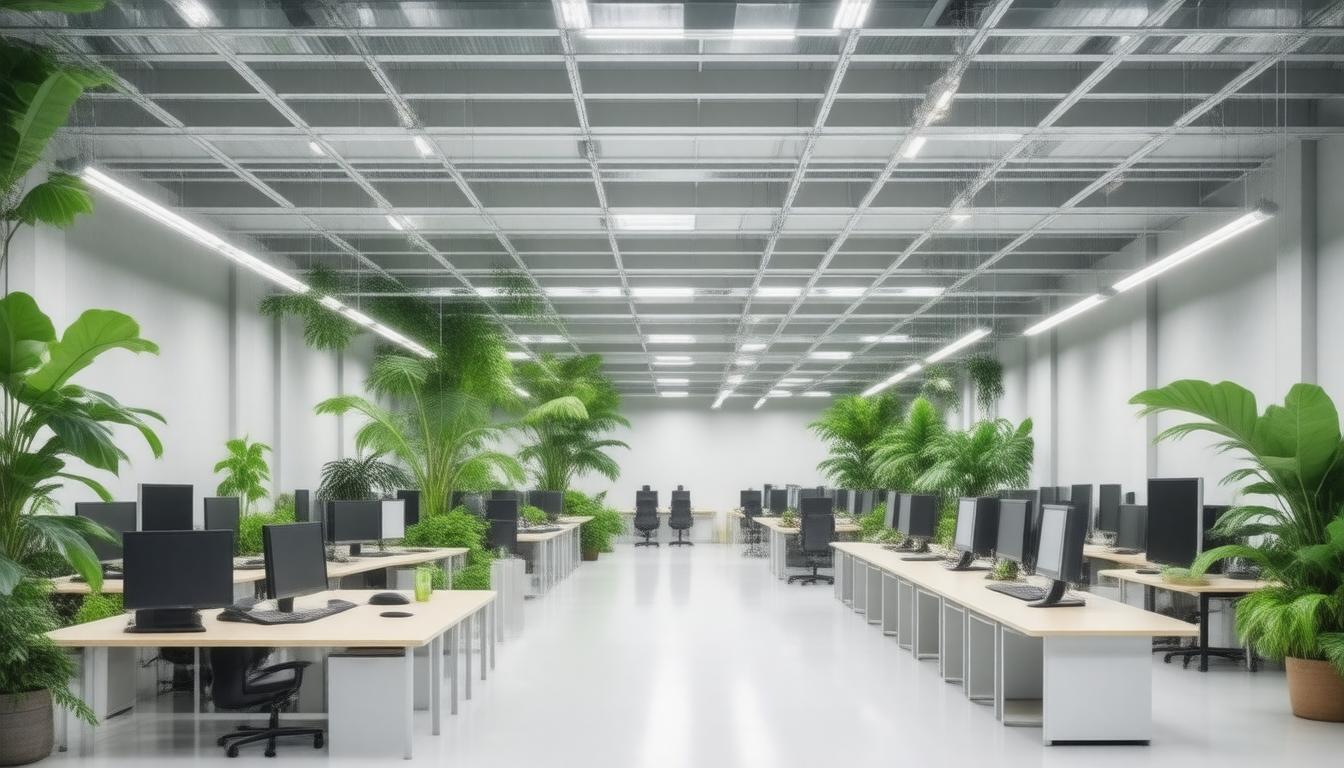
Energy Efficiency and Sustainability in Industrial Lighting
In today's world, the significance of energy efficiency and sustainability in industrial lighting cannot be overstated. Industries are now under increasing pressure to minimize their carbon footprint while optimizing operational costs. The shift toward energy-efficient lighting solutions, such as LED technology, is a crucial part of this transition. These solutions not only provide superior illumination but also consume significantly less energy compared to traditional options. By harnessing advanced technologies, businesses are able to enhance workplace safety, improve productivity, and reduce maintenance costs associated with frequent bulb replacements. Furthermore, adopting sustainable practices in industrial lighting not only contributes to environmental conservation but also aligns with corporate social responsibility initiatives that many South African companies are adopting. The integration of smart lighting systems, which can adjust brightness based on occupancy or daylight availability, showcases innovation in energy-efficient solutions. With the increasing energy prices and demand for sustainable practices, industries can benefit immensely from investing in energy-efficient industrial lighting. This not only aids in compliance with regulations aimed at reducing emissions but also resonates positively with environmentally-conscious consumers. As such, embracing sustainable lighting solutions is not just a trend but a necessary evolution in the industrial sector.
Safety Considerations in Industrial Lighting Solutions
When selecting industrial lighting solutions, safety considerations become paramount. Proper lighting not only enhances visibility but also contributes to the overall safety of workers in various industrial settings. One crucial aspect to consider is the type of lighting used, as different environments may require specific features such as explosion-proof fixtures or damp-rated luminaires. For example, facilities that handle hazardous materials must implement lighting that minimizes risks of ignition. Additionally, the positioning of industrial lighting fixtures plays an essential role; strategically placing lights can help eliminate shadows and prevent accidents, thus ensuring a safer workplace. Moreover, maintenance is a critical factor in sustaining safe working conditions. Regular checks and replacement of bulbs or fixtures help maintain optimal lighting levels, reducing the likelihood of slips, trips, and falls. Another long-tail keyword to consider is 'ergonomic industrial lighting,' which focuses on reducing eye strain and physical discomfort for workers. By investing in high-quality and well-maintained industrial lighting systems, companies not only comply with safety regulations but also promote a more productive and healthier work environment.
Frequently Asked Questions
What are the different types of industrial lighting solutions available?
There are several types of industrial lighting solutions, including LED high bay lights, fluorescent lighting, halogen lights, and incandescent lighting, each designed to meet specific needs such as high ceilings, energy efficiency, and illumination levels.
How can I choose the right industrial lighting for my workspace?
To choose the right industrial lighting, consider factors such as the size and layout of your workspace, the specific tasks being performed, necessary brightness levels, energy efficiency, and compliance with safety regulations.
What are the benefits of energy efficiency in industrial lighting?
Energy efficiency in industrial lighting can lead to significant cost savings on electricity bills, reduce the environmental impact, and lower maintenance costs due to longer-lasting light fixtures, such as LED options.
What safety considerations should I keep in mind with industrial lighting?
Safety considerations include ensuring adequate illumination for work tasks to prevent accidents, using fixtures rated for harsh environments, and complying with local regulations regarding lighting levels and emergency lighting requirements.
What future trends should I be aware of in industrial lighting technology?
Future trends include the increasing use of smart lighting systems that can be controlled via IoT devices, advancements in LED technology for greater efficiency, and the incorporation of human-centric lighting designed to improve worker well-being.


