



2026 Update: Warehouse cooling in South Africa is not just about comfort. In a large industrial space, poor airflow can affect staff productivity, product storage, machinery performance and general workplace safety. During hot summer months, a warehouse can quickly become uncomfortable, especially where roofs trap heat, doors open and close throughout the day, and air movement is limited.
Choosing the right industrial fan for warehouse cooling helps move hot, stale air out of the working area and keeps air circulating across larger floor spaces. A well-planned fan setup can make the environment feel cooler, improve ventilation, reduce stagnant air pockets and support a more productive workplace without relying only on expensive air conditioning.
At Future Light, our floor fans, wall fans, extractor fans and wider fan range give businesses practical options for workshops, storerooms, dispatch areas, factories, garages and warehouse environments.
Why is warehouse cooling important in South Africa?
Warehouse cooling is important in South Africa because many industrial buildings are large, open and difficult to cool evenly. Metal roofs, high ceilings, concrete floors and limited insulation can all trap heat. In summer, this creates uncomfortable working conditions, especially in areas where staff are packing, picking, loading, assembling or operating equipment for long periods.
Good airflow helps reduce that trapped heat feeling. An industrial fan does not lower the air temperature in the same way an air conditioner does, but it moves air across the body and through the space, which makes the environment feel more comfortable. This is especially useful in warehouses where air conditioning the whole building would be costly or impractical.
Warehouse cooling can also help protect certain stored goods. Heat-sensitive products, packaging materials, stock near roof level and items stored in poorly ventilated corners can all suffer when air is stagnant. Better air circulation helps even out hot spots and supports a more stable working environment.
- Improves comfort: Helps staff work more comfortably during hot conditions.
- Reduces stagnant air: Moves air through large warehouse spaces.
- Supports productivity: A cooler-feeling space is easier to work in.
- Protects stock areas: Helps reduce heat build-up around stored goods.
- Cost-conscious cooling: Uses airflow instead of relying only on air conditioning.

What type of fan is best for warehouse cooling?
The best fan for warehouse cooling depends on the size of the space, the ceiling height, the work being done and where airflow is needed most. A small desk or domestic fan will not make much difference in a large industrial area. Warehouses need stronger airflow, better placement and fans designed for larger spaces.
Floor fans are useful when you need flexible airflow that can be moved to different zones. They work well near packing stations, loading areas, dispatch counters and temporary work zones. Wall fans are better when floor space must stay clear, especially in aisles, workshops or areas with forklifts and pallet movement. Extractor fans help remove hot or stale air from enclosed areas, bathrooms, storerooms or ventilation problem spots.
In many warehouses, the best solution is a combination of fan types. One large fan may help, but multiple well-placed fans can often create better circulation. The goal is to move air through the working zone rather than simply blowing air at one corner of the building.
- Floor fans: Good for flexible cooling and movable work zones.
- Wall fans: Useful where floor space must remain clear.
- Extractor fans: Help remove stale or hot air from enclosed areas.
- Ceiling fans: Useful in suitable large spaces with correct height clearance.
- Rechargeable fans: Better for small backup areas, not full warehouse cooling.

What key features should you look for in an industrial warehouse fan?
When choosing an industrial fan for warehouse cooling, airflow should be the first priority. The fan must be strong enough to move air across the intended area. For larger spaces, look beyond the physical size of the fan and consider how far the airflow reaches, whether the fan oscillates, and whether the angle can be adjusted.
Durability is also important. Warehouses are busy environments with dust, movement, machinery, stock handling and regular use. A fan used in this setting should feel stable, robust and suitable for the kind of daily operation required. A lightweight domestic fan may not last long in a demanding workspace.
Noise level matters too. Strong airflow is useful, but an excessively noisy fan can make communication difficult, especially near packing areas, offices, counters or customer-facing trade spaces. The right fan should balance airflow, durability and sound level so the workspace stays comfortable and practical.
- Airflow strength: Must suit the size of the warehouse zone.
- Durable build: Important for busy industrial environments.
- Adjustability: Angle and speed control help direct airflow properly.
- Noise level: Lower noise is better near workstations and offices.
- Placement flexibility: Choose floor, wall or extractor fans based on the space.

Are floor fans good for warehouses?
Floor fans can be very useful in warehouses because they are flexible. You can position them where airflow is needed most, then move them as the work area changes. This makes them practical for dispatch zones, packing stations, workshops, storage areas and temporary cooling setups.
A strong floor fan can help move air across a specific zone, especially where staff are working in one place for long periods. It is also useful in warehouses where installing wall fans is not possible or where airflow needs change throughout the day. The ability to redirect the fan is one of the main advantages.
The downside is that floor fans take up space and need to be placed safely. In a busy warehouse, cables, stands and fan positions must not create trip hazards or block movement. If forklifts, trolleys or pallet jacks operate nearby, wall-mounted options may be safer for permanent airflow.

Are wall fans better for industrial spaces?
Wall fans are often a better choice for industrial spaces where floor space is valuable. Warehouses need clear walkways, open aisles and safe movement for staff, stock and equipment. Mounting fans on the wall keeps them out of the way while still providing useful airflow across the working zone.
Wall-mounted fans can work well above workbenches, near packing stations, in workshops, stock rooms, garages and service areas. Oscillating models are especially useful because they can spread airflow across a wider area instead of blowing in only one direction.
The main thing is placement. A wall fan mounted too high, too low or too far from the work zone may not perform properly. Before installation, think about where staff spend the most time and where air tends to become hot or stagnant. Good placement makes a bigger difference than simply adding more fans.

When should a warehouse use extractor fans?
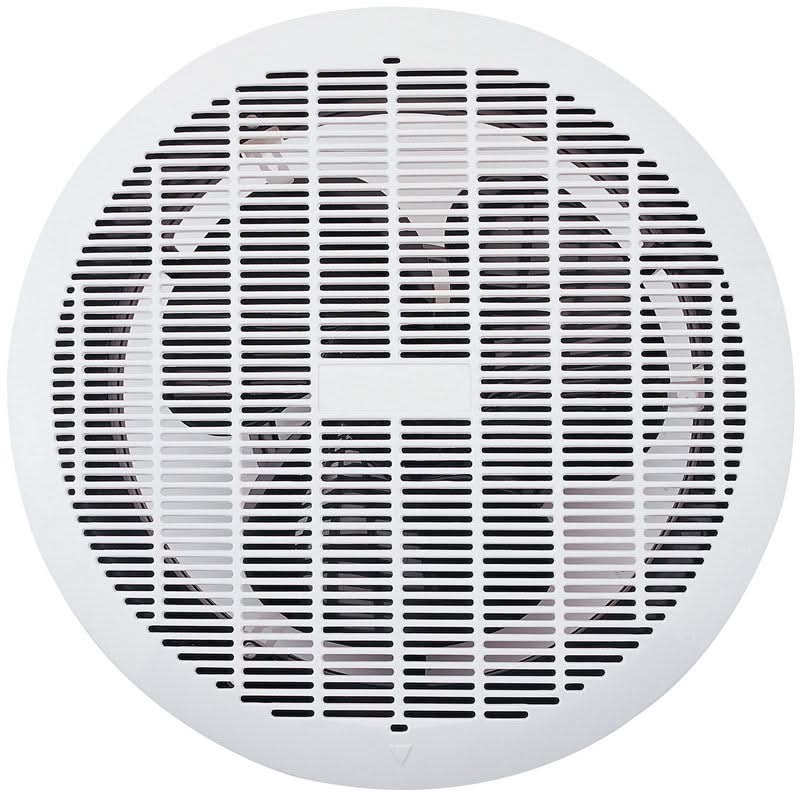
Extractor fans are useful when a warehouse or industrial space needs stale, hot, dusty or humid air removed from a specific area. Unlike circulation fans, which move air around the room, extractor fans help pull unwanted air out. This makes them valuable in enclosed rooms, bathrooms, storerooms, workshops, utility areas and spaces where heat or odours build up.
In some warehouses, extractor fans can support better ventilation by helping hot air escape and encouraging fresher air movement. They are especially helpful where roof heat, machinery, packaging materials or poor natural ventilation make the space feel heavy and uncomfortable.
Extractor fans should be selected and positioned carefully. The size of the space, ducting, airflow path and replacement air all matter. If air is removed but no fresh air can enter, performance will be limited. For larger or more technical setups, professional advice is recommended.

How can industrial fans improve energy efficiency?
Industrial fans can improve energy efficiency by reducing the need to cool an entire warehouse with air conditioning. In many large spaces, air conditioning is either too expensive, impractical or only needed in office sections. Fans offer a more direct way to improve comfort in the working area by increasing air movement.
Using fans strategically can help create a cooler-feeling environment without dramatically increasing energy use. A fan can support natural ventilation, move air through hot zones, and help staff feel more comfortable at a lower cost than full mechanical cooling. This is especially useful in warehouses with large roller doors, open loading bays or mixed-use work areas.
Energy efficiency also depends on choosing the right fan for the job. An undersized fan may run constantly and still fail to improve comfort. An oversized or badly positioned fan may waste power. The most efficient setup is one where fan size, placement and operating schedule match the actual heat and airflow needs of the space.
How should industrial fans be installed in a warehouse?
Industrial fans should be installed where they can move air through the working zone safely and effectively. For floor fans, this means placing them where they do not block walkways, loading areas or emergency routes. For wall fans, this means mounting them at a suitable height and angle so the airflow reaches staff and work areas.
Fan placement should follow the heat pattern of the building. Areas under metal roofs, near machinery, close to loading doors or around packing stations may need more airflow. If possible, avoid simply pointing one fan at a wall or into an empty area. The goal is to move air where people are working.
Electrical safety is also important. Fans used in industrial spaces should be connected safely, with cables managed properly and plugs positioned away from damage. Wall fans and extractor fans should be installed securely. If the installation involves fixed wiring, use a qualified electrician.
- Keep walkways clear: Avoid trip hazards and blocked warehouse routes.
- Target work zones: Aim airflow where staff spend time.
- Use safe mounting: Wall fans must be securely fixed.
- Manage cables: Keep cords away from trolleys, pallets and equipment.
- Use professionals: Fixed electrical installations should be done by qualified tradespeople.

How do you maintain warehouse fans for long-term performance?
Warehouse fans need regular maintenance because industrial spaces often contain dust, packaging fibres, stock debris and airborne particles. Over time, this build-up can settle on blades, guards and motors, reducing performance and making the fan work harder than necessary.
Basic maintenance includes cleaning the blades and guards, checking that the fan is stable, inspecting cables and plugs, and listening for unusual noises. If a fan starts vibrating, rattling or overheating, it should be checked before continued use. Small issues can become bigger problems if ignored.
Wall fans and extractor fans should be inspected as part of the building’s regular maintenance schedule. Make sure mounting brackets stay secure, vents are not blocked, and moving parts are operating smoothly. A clean, well-maintained fan will generally perform better and last longer.

Where can you buy industrial fans for warehouse cooling in South Africa?
You can shop practical fan options for warehouses, workshops and industrial spaces at Future Light. Depending on your application, you may need floor fans for flexible airflow, wall fans for fixed cooling, extractor fans for ventilation, or a mix of fan types across different parts of the building.
For larger warehouses, it is useful to map out where the heat and airflow problems are before buying. Identify the hottest zones, where staff work the longest, where air becomes stale, and where fans can be installed safely. This will help you choose more effectively than simply buying the biggest fan available.
Browse Future Light’s fan ranges: Ceiling Fans, Desk Fans, Floor Fans, Wall Fans, Extractor Fans and Rechargeable Fans.

Key takeaways
- Industrial fans help improve warehouse comfort by increasing air movement.
- Floor fans are useful for flexible cooling in changing work zones.
- Wall fans save floor space and are practical for fixed airflow in busy areas.
- Extractor fans help remove stale, hot or humid air from enclosed spaces.
- Fan placement is just as important as fan size.
- Regular cleaning and inspection help maintain airflow and extend fan lifespan.
Frequently asked questions about industrial fans for warehouse cooling
What type of fan is best for warehouse cooling?
The best fan depends on the warehouse layout. Floor fans are useful for flexible cooling, wall fans save floor space, and extractor fans help remove stale or hot air from enclosed areas. Many warehouses benefit from a combination of fan types.
Are industrial fans energy efficient?
Industrial fans can be energy efficient when sized and positioned correctly. They use air movement to improve comfort and can reduce the need for expensive whole-building cooling in some warehouse environments.
How do I choose the right fan size for a warehouse?
Consider the warehouse size, ceiling height, heat sources, staff work zones and airflow requirements. Larger areas usually need stronger airflow or multiple fans rather than one small fan trying to cool the whole space.
Where should warehouse fans be installed?
Install fans where airflow reaches the areas people actually use, such as packing stations, dispatch zones, workshops and loading areas. Keep walkways clear and avoid creating trip hazards with floor fan cables.
Do wall fans work well in warehouses?
Yes, wall fans can work well in warehouses because they provide airflow without taking up floor space. They are especially useful near workbenches, packing areas, workshops and storage zones.
How often should warehouse fans be cleaned?
Warehouse fans should be checked and cleaned regularly, especially in dusty or busy industrial spaces. Dust build-up on blades and guards can reduce airflow and place extra strain on the motor.
Conclusion
Choosing the right industrial fan for warehouse cooling in South Africa comes down to airflow, placement, durability and safety. A good fan setup can make a large working space feel more comfortable, reduce stagnant air and support better day-to-day productivity.
Start by identifying the hottest and busiest areas of the warehouse. Then choose the fan type that suits each zone: floor fans for flexible airflow, wall fans where floor space matters, and extractor fans where stale or hot air needs to be removed. The best solution is often a practical mix rather than a single fan doing all the work.
Explore floor fans, wall fans, extractor fans and the full fan range at Future Light to find a cooling option for your warehouse, workshop or industrial space.


