



If you've ever stepped out of a hot shower only to be greeted by a mirror too foggy to use and that musty, trapped-damp smell creeping through your bathroom, you're not alone. Life on the coast – whether in Hout Bay, Gqeberha or Umhlanga – brings beautiful views and salty breezes, but it also means dealing with humidity that lingers longer than it should. That’s where the humble extractor fan becomes your best mate for bathroom air quality.
Over the past sixteen years at Future Light, a good number of our installation jobs along the Atlantic Seaboard or up in KZN have included extractor fans in homes where salty air and dampness are part of daily life. We’ve worked with homeowners upgrading their guest bathrooms, hotel managers looking to improve guest experience, and even property developers who need cost-effective and durable solutions that can last through high-moisture conditions.
Key Takeaways
- Humidity control is essential in coastal bathrooms to prevent mould and mirror fogging.
- IP ratings and materials make all the difference in salty or damp environments.
- Ceiling vs wall extractor fans must be chosen based on your layout and ducting needs.
- Energy-efficient extractor fans save money and reduce load on your household grid.
- Browse our bathroom lighting for fan-light combinations.
- Modern extractor fans can be quiet, stylish, and even come with motion sensors or timers.

Why Coastal Bathrooms Need Special Ventilation Considerations
Salt, steam, and structure
Coastal air carries a mix of moisture and salt, which tends to accumulate inside closed spaces – bathrooms being particularly vulnerable. Over time, this can cause paint to peel, wood to swell, mirrors to rust on the edge, and a persistent damp smell to settle in, especially if the fan is missing or underpowered.
The mildew makers
Without proper ventilation, hot showers create a microclimate primed for mildew. In cities like George or Ballito, we've seen homes where even tile grouting becomes a breeding ground. A properly matched extractor fan helps cycle out warm, moist air before mould spores become a health risk.
Material matters
Fans in coastal areas should ideally be made from corrosion-resistant materials and offer sealed motors. Look out for IP-rated models suitable for bathrooms – usually IP44 or higher – to ensure they can cope with damp without faltering within a year.

Don’t let salty coastal air cut corners on your home’s health – the right extractor fan protects more than you think.
Types of Bathroom Extractor Fans
Ceiling-mounted extractors
These are great when your bathroom ceiling connects to a loft space or open roof cavity. Many of our Cape Town and Mossel Bay installations utilised ceiling fans with external vents or roof cowls to draw air upwards – especially in bathrooms without windows.
Wall-mounted extractors
Perfect for external walls, especially if your bathroom is on the ground floor. It’s often easier to install and doesn’t always require crawl space or ducting, making it a hit for renovations or small budget upgrades.
In-line extractors with ducts
These fans sit in between ducts and are usually placed above the ceiling or behind walls. While not visible in the bathroom itself, they’re more powerful and quieter than standard models, making them perfect for use with longer ducting systems.

Whether wall, ceiling or ducted – the right fit depends on your space and ceiling access.
What to Look for in a Coastal-Friendly Extractor Fan
High IP rating
Choose products IP44 and above when installing near a shower or basin. Moisture-resistant units reduce short-circuit risk, especially in coastal homes where humidity is always present.
Rust-proof materials
Look for fans with stainless steel, ABS plastic, or aluminium components – all great choices for resisting rust and salt damage. Avoid mild steel unless specified for marine environments.
Motor durability
Shielded motors or ball-bearing types extend longevity in humid air – especially in bathrooms that see high use. We’ve seen budget models stall after just a year next to the coast, simply because salt formed deposits on unprotected parts.

Materials matter — coastal air laughs in the face of cheap metal.
Noise Ratings: How Loud Is Too Loud?
dB rating explained
Most fans range between 20 to 45dB. For comparison: 20dB is like a whisper, and 45dB is gentle rain. If your loo or bathroom is near a bedroom or study, opt for quiet models or ones with isolation mounts to reduce vibration.
Silent operation options
Many of today’s top extractor fans are designed to be whisper-quiet. Brands now offer silent or acoustic ranges that minimise noise while still maintaining a decent airflow rate (measured in m³/hr).
Tips to keep things quieter
Ducting size, length, and shape can all affect fan noise. Flexible ducts often amplify vibration, while rigid, insulated ones muffle it. Install with vibration pads for even better acoustic performance.
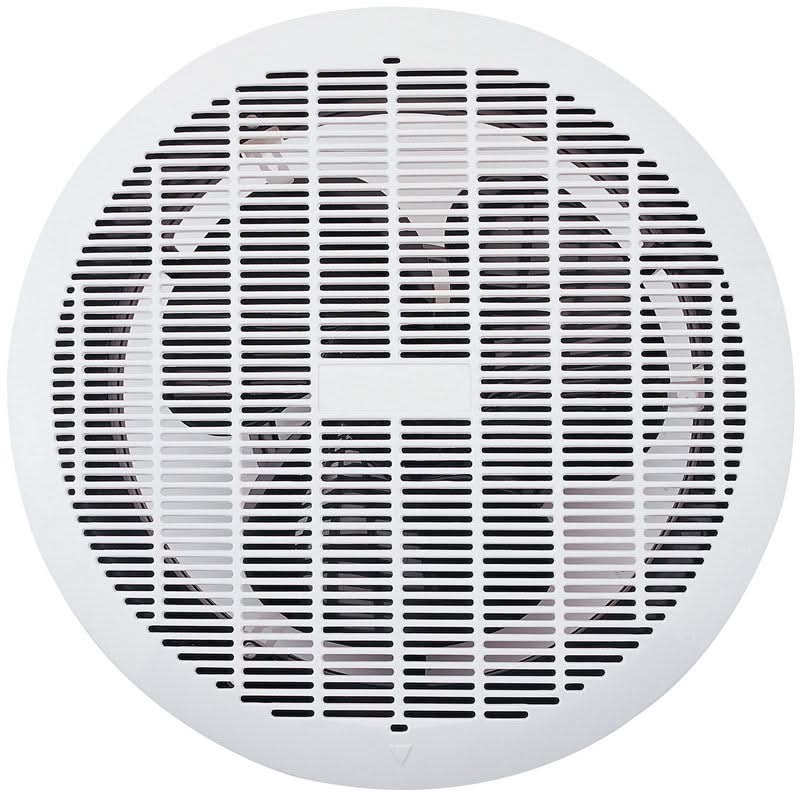
If your fan sounds like a Boeing taking off, it's time for an upgrade.
Energy Efficient Options
Low wattage use
Most good extractor fans use between 8–40W. Lower-power models still move enough air for small bathrooms, helping you stay on top of usage during loadshedding prep.
Fans with timers
Fans with built-in timers or humidity sensors automatically switch off once moisture is removed, so no energy is wasted. Ideal for guest bathrooms or rentals where people might forget to switch them off.
Solar-integrated fans
Some newer setups can pair fans with solar solutions – ideal for eco-conscious homes. While not yet mainstream, hybrid energy extractor fans are evolving quickly.

Efficiency isn’t just about lightbulbs – your extractor fan can help you save watts too.
Smart Features and Extra Considerations
Integrated lights or sensors
Some extractor fans come with mirror lighting or motion sensors. These handy combos save wall space and offer multiple functions in one unit — great for guest toilets or en-suites.
Humidity sensor fans
These fans automatically kick in when they detect excess moisture in the air — perfect for steamy mornings when you're rushing out and forget to flip a switch. They’re also incredibly energy-savvy.
Backdraft shutters
Dirty, dusty coastal wind can backflow into your bathroom if you don’t have shutters or louvers at the exit point of your fan duct. Always request this from your installer.

Modern extractor fans are more than just blades – they’re smarter, safer, and savvy about space.
Installation Tips for the South African Homeowner
Call a professional (especially on the coast)
If you’re near salt-heavy areas like Durban or Hermanus, always use professionals familiar with marine climate installations. Poorly sealed outlets can corrode quickly.
Keep ducting as short as possible
Long ducting loses airflow power. Bottlenecks in turns or kinks can make even a premium fan seem weak. Install straight and short whenever possible.
Pair with good lighting
A bright and fresh bathroom also needs adequate lighting – especially if steam still settles in corners. Balance extraction and brightness for best results.

Proper installation makes a great fan excellent. Don't cut corners when there's salt in the air.
Continue your bathroom lighting research: Compare bathroom extractor fans with the bathroom lights collection, then return to the main bathroom lighting guide.
Frequently Asked Questions
Q1: What's the best placement for an extractor fan?
A: Ideally above the shower or bath to catch the most steam, or near the central ceiling if the room is small. Always avoid placing it directly above lights unless it’s a combo unit designed for that.
Q2: Can I use any extractor fan for my coastal bathroom?
A: No — coastal air contains salt which can rust and damage typical units. Always choose corrosion-resistant models with a high IP rating.
Q3: Do extractor fans use a lot of electricity?
A: Not at all. Most use less power than a 40W light bulb and only run when needed.
Q4: Should I run the extractor fan even after I shower?
A: Yes, for about 10–15 minutes to clear lingering steam, especially in humid climates.
Q5: What’s the average lifespan of a bathroom extractor fan?
A: Between 5–10 years if properly maintained, and shorter if exposed to salty air without protective features.
Q6: Is it okay to install an extractor fan in a window?
A: It’s possible using window fan kits, but less common in coastal towns due to salt exposure, dust, and wind damage.
Q7: How often should I clean my extractor fan?
A: Every few months – especially the grill. Salt, moisture, and lint can clog airflow and reduce motor life.
Q8: Can I install the fan myself?
A: While basic models are DIY-friendly, it’s safer to consult an electrician — especially when dealing with IP-rated gear and ductwork.
Ready to breathe easier? Browse our complete bathroom lighting collection, or explore a featured product like the energy-efficient IP-rated ceiling light. Want more insight? Have a look at our related blog for lighting placement ideas to accompany your extractor fan setup.


