



2026 Update: Bamboo pendant lights are a beautiful way to bring warmth, texture and a more natural feel into South African homes, guesthouses, restaurants and relaxed commercial interiors. Their woven shades soften the light, add visual interest and help create a calm, organic atmosphere without making the room feel overdesigned.
Whether you are refreshing a dining room, upgrading a kitchen island, styling a coastal-inspired lounge, or adding character to a boutique hospitality space, bamboo pendant lighting gives you that easy blend of decorative impact and everyday practicality. It feels natural, lightweight and relaxed, while still creating a strong focal point in the room.
At Future Light, our bamboo pendant lights, rattan pendant lights and wider LED pendant lights range include natural woven designs suited to dining rooms, living spaces, bedrooms, kitchen islands and hospitality interiors.
Why choose bamboo pendant lights in 2026?
Bamboo pendant lights are popular because they bring texture and warmth into a room without feeling heavy. Unlike metal or glass pendants, bamboo has a softer, more organic character. It works beautifully in homes that lean coastal, boho, Scandinavian, rustic, modern organic or relaxed South African lodge-style.
The woven structure of bamboo also changes how the light feels. Instead of a hard direct glare, the shade can create a gentler, more diffused glow with soft shadow patterns. This makes bamboo pendants especially useful in spaces where ambience matters, such as dining rooms, bedrooms, lounges, restaurants and guesthouse rooms.
Another benefit is weight. Bamboo is naturally lightweight, making it easier to handle than many heavier decorative fittings. That does not remove the need for proper installation, but it does make bamboo pendants a practical choice for many standard ceiling applications.
- Natural texture: Adds warmth and depth to simple interiors.
- Soft ambience: Woven shades create a relaxed, diffused glow.
- Lightweight design: Easier to handle than many heavy statement fittings.
- Versatile style: Suits coastal, boho, lodge, rustic and Scandinavian interiors.
- LED compatible: Works well with warm white LED lamps for energy-efficient ambience.
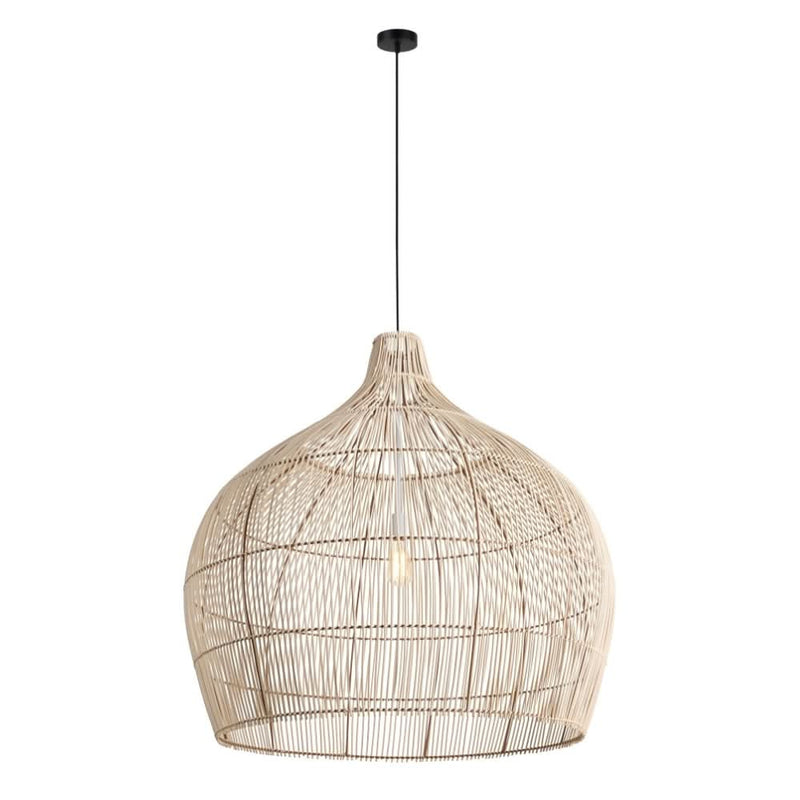
Where do bamboo pendant lights work best?
Bamboo pendant lights work best in rooms where atmosphere is just as important as illumination. They are excellent above dining tables, kitchen islands, breakfast counters, bedside areas, reading corners and relaxed lounge spaces. They can also work beautifully in restaurants, lodges, cafés and boutique guesthouses.
In a dining room, a bamboo pendant helps anchor the table and makes the space feel more intimate. Over a kitchen island, it adds a natural design feature that softens hard surfaces like stone, tiles and cabinetry. In bedrooms, smaller bamboo pendants can create a calm, organic feel beside the bed or in a reading nook.
For hospitality spaces, bamboo pendants are especially useful because they add warmth without feeling overly formal. A restaurant, guesthouse or lodge can use them to create a more welcoming atmosphere, especially when paired with timber, linen, stone, greenery and warm LED lighting.
- Dining rooms: Creates a warm focal point over the table.
- Kitchen islands: Softens modern finishes with natural texture.
- Bedrooms: Adds calm, relaxed ambience beside beds or reading areas.
- Living rooms: Works well in corners, seating zones and feature areas.
- Hospitality interiors: Ideal for cafés, lodges, guesthouses and restaurants.
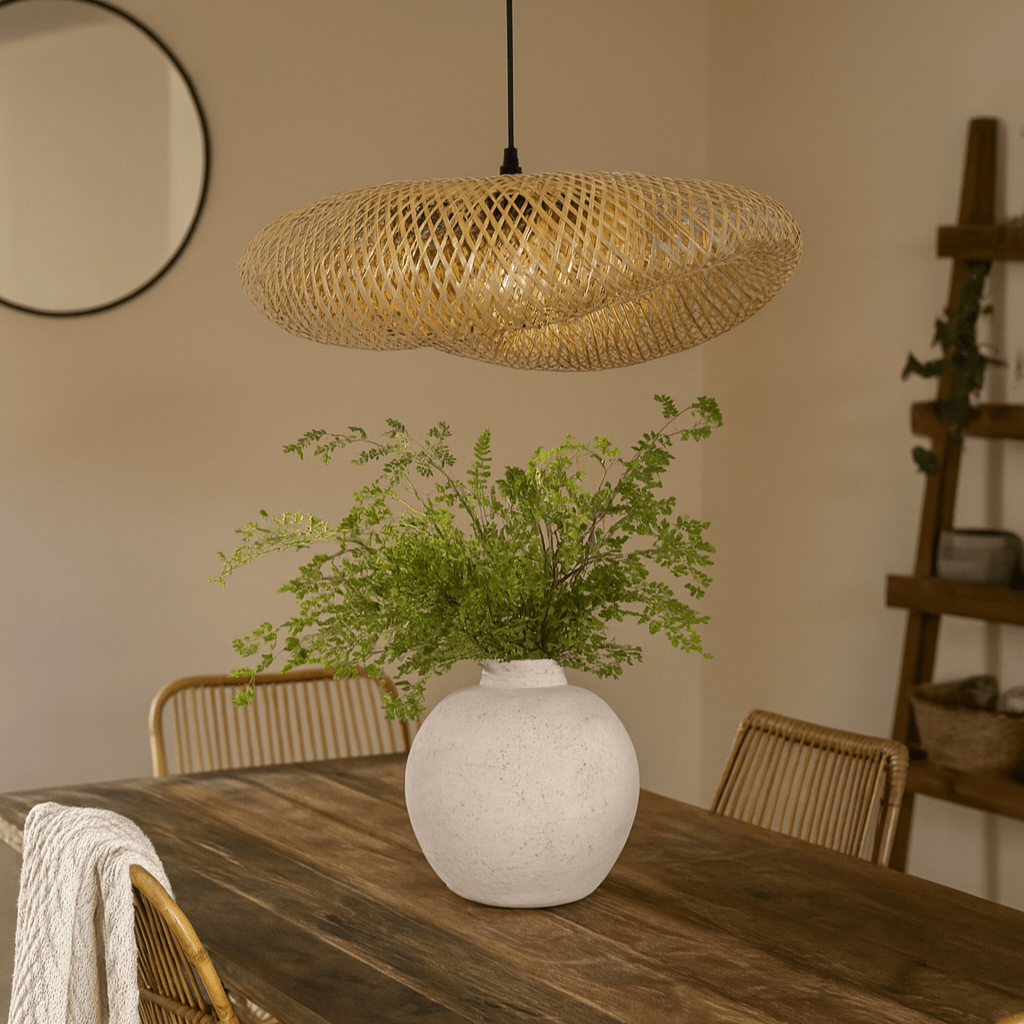
Are bamboo pendant lights eco-friendly?
Bamboo is often considered an eco-conscious material because it grows quickly and can be used in many natural home products. In lighting design, bamboo gives you a way to introduce organic texture without relying only on synthetic or heavily processed finishes.
That said, the full sustainability of any light fitting also depends on manufacturing, treatment, transport, packaging and how long the product lasts. The most practical eco-minded approach is to choose a fitting you genuinely love, pair it with efficient LED lamps, install it properly and maintain it so it stays in use for many years.
For South African interiors, bamboo pendants fit naturally into the move towards warmer, more textured and less clinical spaces. They help rooms feel calmer and more connected to natural materials, while LED bulbs help keep everyday energy use lower.
- Fast-growing material: Bamboo is known for quick natural growth.
- Natural look: Adds organic texture without a heavy visual feel.
- LED pairing: Use warm LED bulbs to improve efficiency and ambience.
- Long-term value: Choose a timeless style you will keep for years.
- Low visual waste: Natural materials tend to age more gracefully in décor.
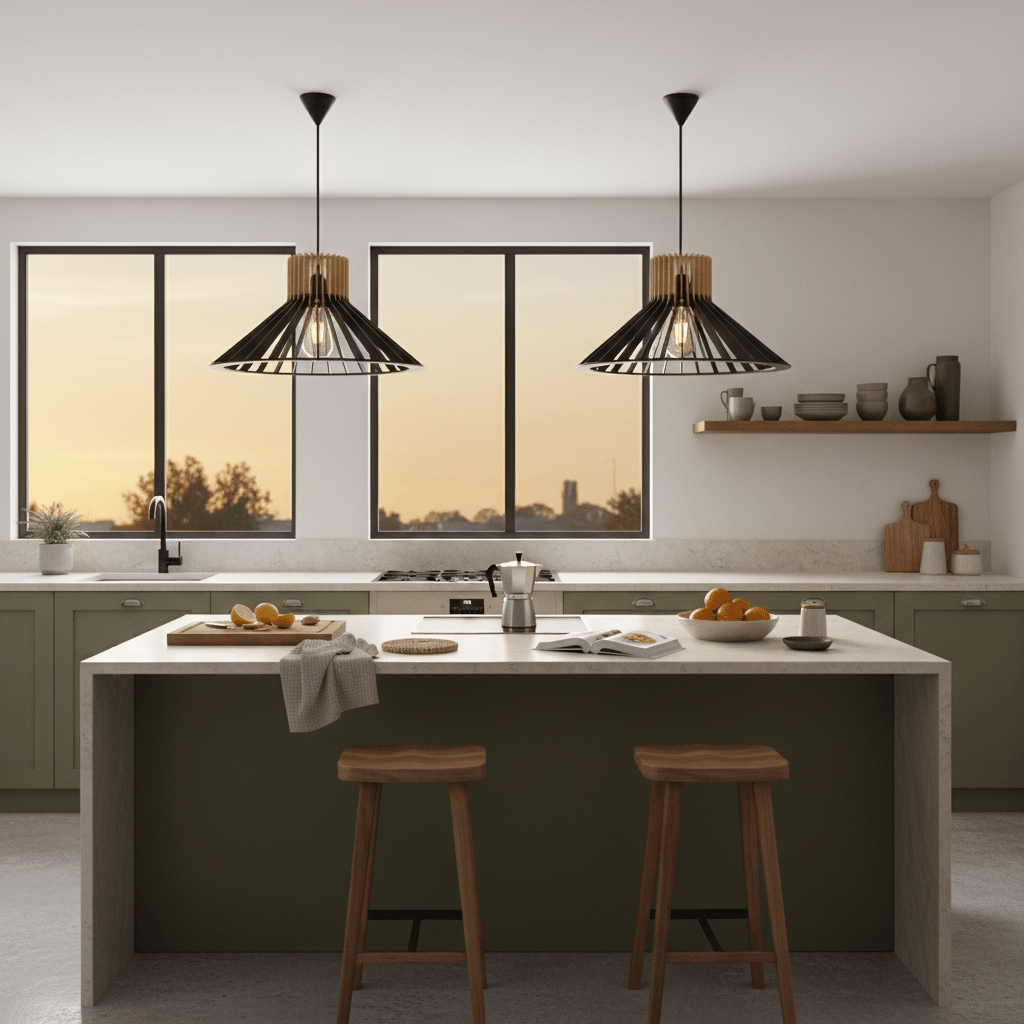
How do bamboo pendant lights compare to rattan lights?
Bamboo and rattan pendant lights both bring natural texture into a room, but they have slightly different visual effects. Bamboo often feels more structured and polished, while rattan can feel looser, softer and more beach-inspired. Both work well in relaxed South African interiors.
If your space is modern organic or Scandinavian, bamboo may be the cleaner choice. If your space leans coastal, boho or resort-style, rattan may feel more casual and breezy. In many homes, either material can work — the better choice depends on the shape, weave, colour tone and surrounding décor.
Future Light offers both bamboo pendant lights and rattan pendant lights, so you can compare the look and decide whether your room needs a more refined natural feature or a softer coastal-style pendant.
| Material | Best Style Fit | Typical Feel |
|---|---|---|
| Bamboo | Modern organic, Scandinavian, rustic, lodge-inspired | Structured, warm and natural |
| Rattan | Coastal, boho, relaxed resort-style, beach house interiors | Casual, airy and textured |
In short: Choose bamboo for a cleaner natural look and rattan for a softer coastal feel.
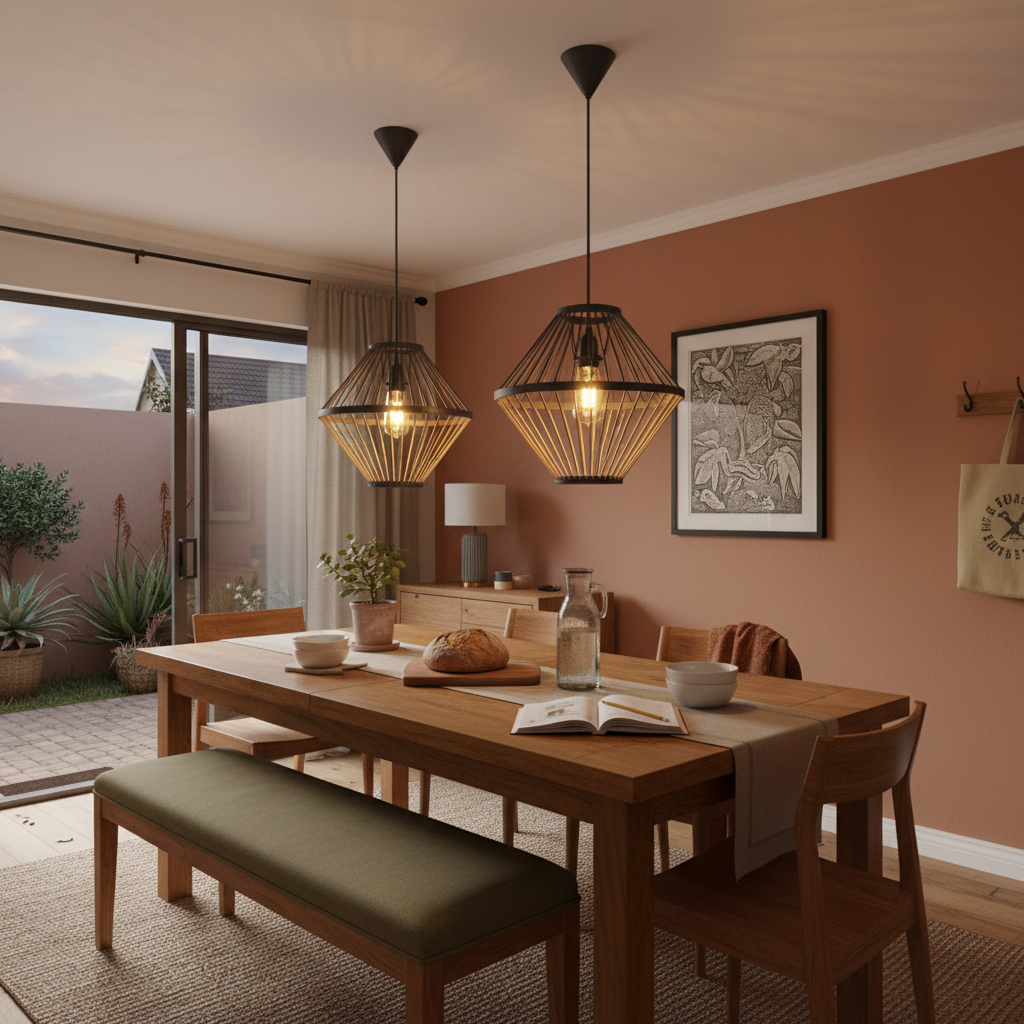
What bulb works best with a bamboo pendant light?
Warm white LED bulbs usually work best with bamboo pendant lights. The natural golden tone of bamboo pairs beautifully with 2700K–3000K lighting, creating a softer and more comfortable glow for dining rooms, bedrooms, lounges and hospitality spaces.
If the bulb is visible through the weave, choose a globe that looks good as part of the fitting. Decorative LED filament-style lamps can work well where the lamp is exposed, while frosted globes are better where you want to reduce glare. Dimmable LED bulbs are useful if the pendant is used in a dining or lounge area where the mood changes through the evening.
Avoid overly cool daylight bulbs in bamboo pendants unless the space specifically needs a crisp task feel. Cool light can make natural materials look flatter and less inviting. For most homes, warm LED lighting is the safer and better-looking option.
- Best colour: 2700K–3000K Warm White.
- Best lamp type: LED for efficiency and lower heat.
- Visible bulbs: Choose decorative or frosted globes to suit the shade.
- Dimming: Useful for dining rooms and relaxed living spaces.
- Avoid harsh daylight: It can make bamboo feel less warm and natural.
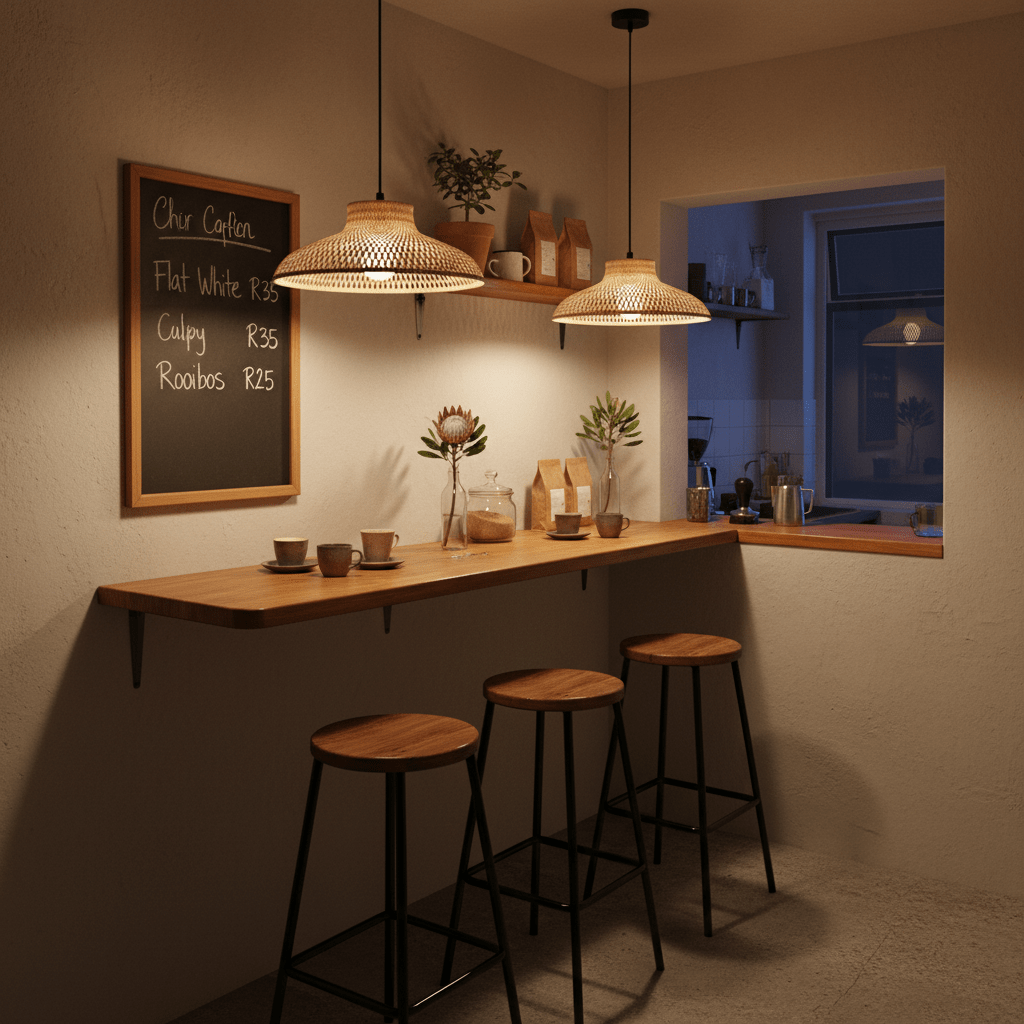
How high should bamboo pendant lights hang?
Bamboo pendant lights should usually hang around 75–90cm above a dining table or kitchen island, measured from the surface to the bottom of the pendant. This keeps the fitting low enough to feel connected to the furniture while still leaving space for conversation and movement.
For bedrooms and reading corners, hanging height depends on the furniture and how the pendant will be used. If it replaces a bedside lamp, it should sit low enough to be useful but high enough to avoid head bumps or glare. For entrance halls or walkways, always prioritise head clearance.
Because bamboo pendants often have a strong visual texture, scale matters. A larger shade may need to sit slightly higher so it does not dominate the room. Smaller bamboo pendants can hang lower or be grouped in pairs or clusters above longer surfaces.
- Dining tables: Start around 75–90cm above the tabletop.
- Kitchen islands: Keep sightlines clear across the island.
- Bedside pendants: Position for comfort and easy use.
- Walkways: Keep enough head clearance for safe movement.
- Large shades: Hang slightly higher if the fitting feels visually heavy.
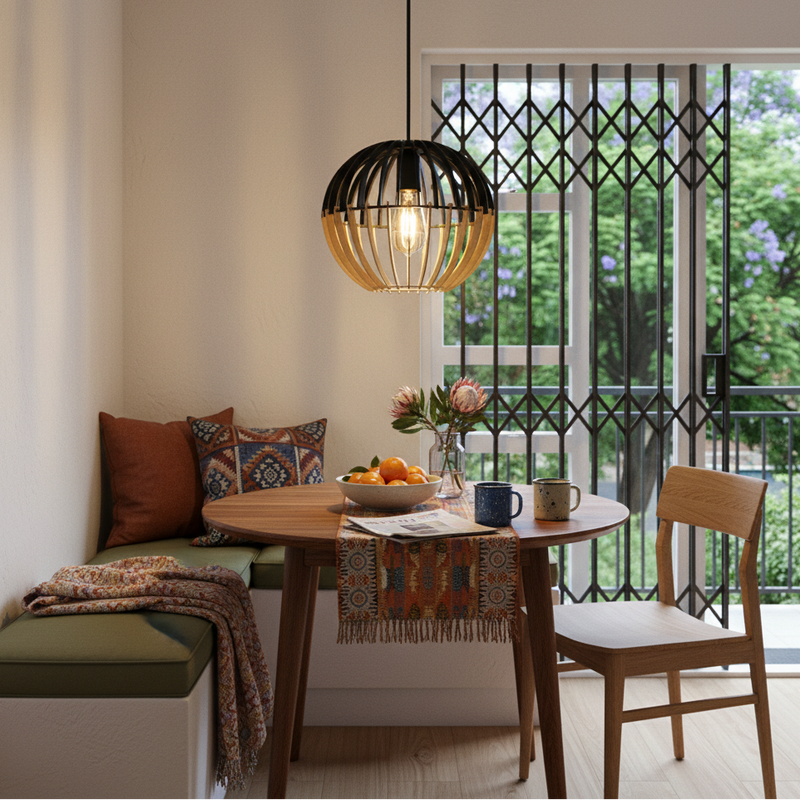
Can bamboo pendant lights be used in kitchens and bathrooms?
Bamboo pendant lights can work beautifully in kitchens when they are placed away from direct steam, heat and heavy grease areas. They are best over kitchen islands, breakfast counters and dining zones rather than directly above hobs, sinks or very humid corners.
Bathrooms need more caution. Bamboo is a natural material, so it is not the best choice for wet or high-steam areas unless the specific fitting and installation zone are suitable. In most cases, bamboo pendants are better kept in dry interior rooms such as bedrooms, dining rooms, lounges and covered hospitality areas.
If you love the natural look in a bathroom, consider using bamboo-style or rattan-style lighting only in safe dry zones and always check IP ratings and material suitability. Moisture can shorten the life of natural woven shades if the fitting is not designed for that environment.
In short: Bamboo pendants are best for dry interiors and kitchen islands away from direct steam or grease.
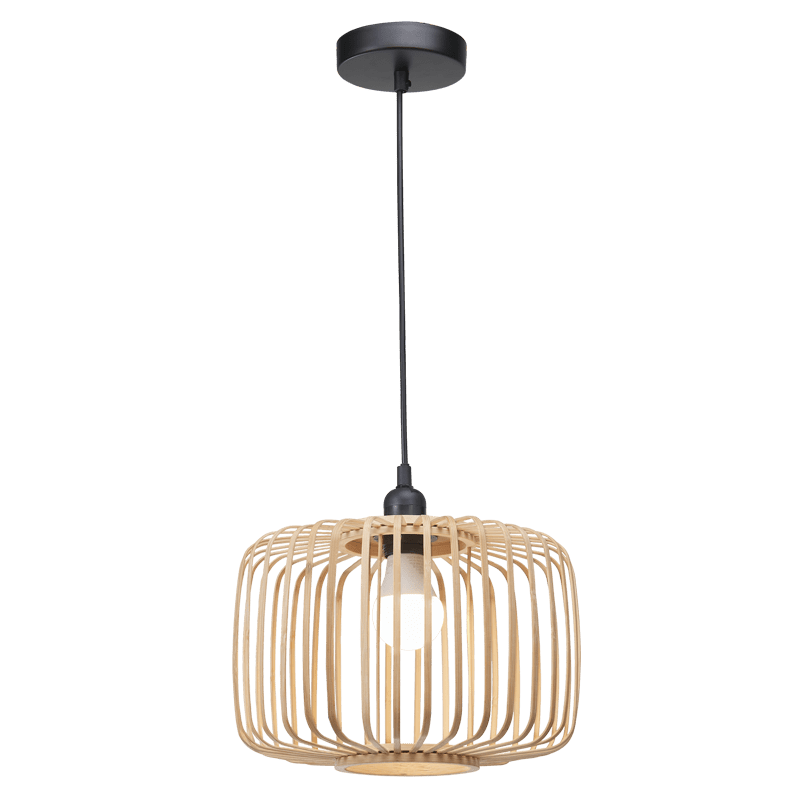
Send Future Light your room size, ceiling height and preferred style, and we can help you narrow down natural woven pendant lighting options.
Contact Future LightBamboo pendant light buying checklist
- Room type: Dining room, kitchen island, bedroom, lounge or hospitality space.
- Shade size: Match the pendant size to the table, island or room volume.
- Hanging height: Start around 75–90cm above tables and islands.
- Bulb choice: Use warm white LED bulbs around 2700K–3000K.
- Moisture exposure: Avoid wet, high-steam or humid areas unless suitable.
- Style match: Pair with timber, linen, stone, jute, cane and indoor plants.
- Installation: Use a qualified electrician for hardwired ceiling fittings.
Where can you buy bamboo pendant lights in South Africa?
You can buy bamboo pendant lights in South Africa online from Future Light. The bamboo pendant lights collection includes natural woven designs chosen for dining rooms, living spaces, bedrooms, kitchen islands and hospitality interiors.
If you want something similar but slightly more coastal or relaxed, also browse rattan pendant lights. If you are still comparing styles, the wider LED pendant lights collection includes modern, glass, metal, natural and statement options.
Before ordering, measure the surface below the pendant, check the shade size, confirm ceiling height and decide whether the light should be decorative, functional or both. Bamboo pendants look best when the size and placement feel intentional.
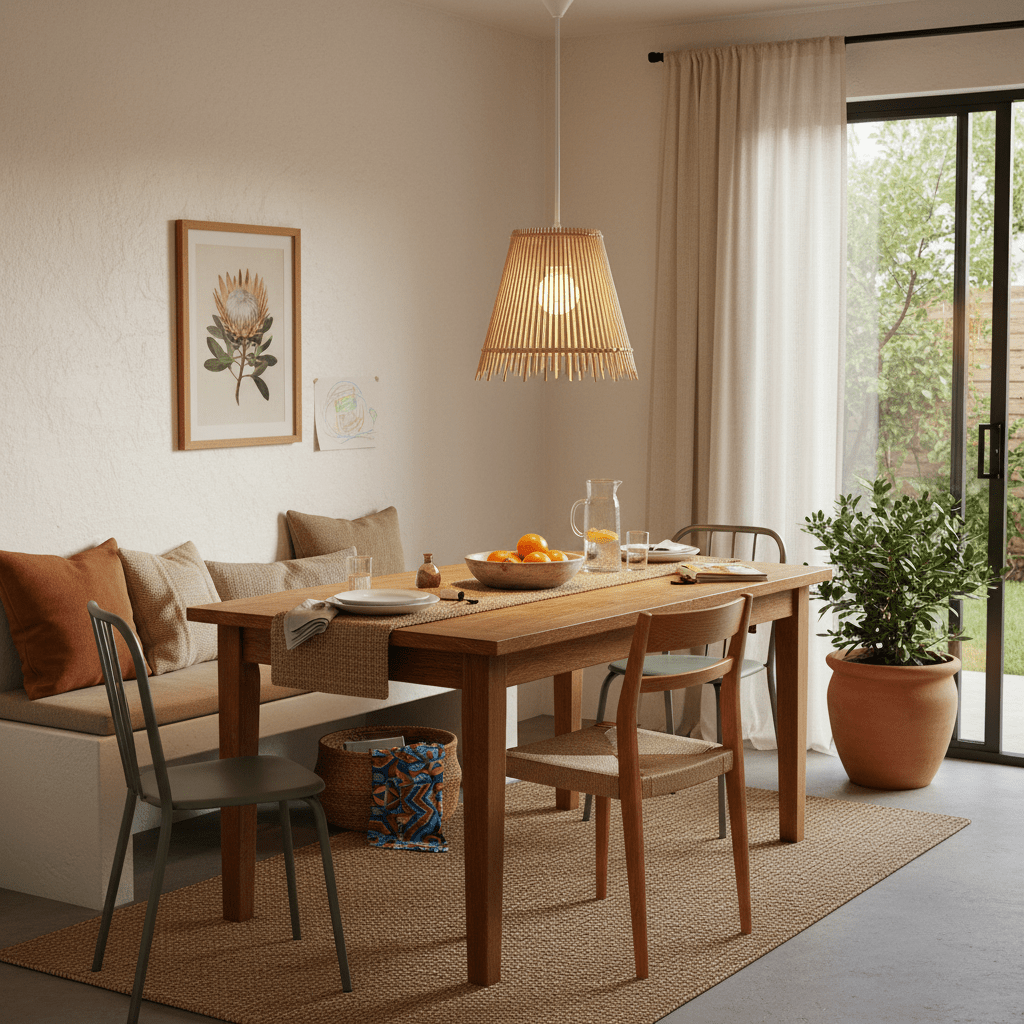
Key takeaways
- Bamboo pendant lights add warmth, texture and natural ambience to interior spaces.
- They work well in dining rooms, kitchen islands, bedrooms, lounges and hospitality interiors.
- Warm white LED bulbs around 2700K–3000K are best for bamboo pendants.
- Bamboo is lightweight and suits coastal, boho, Scandinavian, rustic and modern organic styles.
- Avoid humid or wet areas unless the fitting is specifically suitable for that environment.
- Compare bamboo with rattan if you want a softer, more coastal woven look.
Frequently asked questions about bamboo pendant lights
Are bamboo pendant lights durable?
Yes, bamboo pendant lights can be durable when used indoors in suitable dry areas. Like most natural materials, they should be kept away from excessive moisture, steam and harsh conditions unless specifically rated for that use.
Where can bamboo pendant lights be used?
Bamboo pendant lights work well in dining rooms, kitchen islands, bedrooms, living spaces, reading corners, restaurants, lodges, cafés and guesthouse interiors where soft decorative lighting is wanted.
What bulb works best with bamboo pendant lights?
Warm white LED bulbs around 2700K–3000K usually work best with bamboo pendant lights because they complement the natural tone of the material and create a softer ambience.
Can bamboo pendant lights be used in bathrooms?
Bamboo pendant lights are generally better suited to dry interior spaces. Avoid placing them in humid bathrooms or wet areas unless the specific fitting is rated and suitable for that environment.
Are bamboo pendant lights heavy?
No, bamboo is naturally lightweight, which makes bamboo pendant lights easier to handle than many heavier decorative fittings. They should still be installed securely by a qualified electrician.
How high should bamboo pendant lights hang?
As a guide, bamboo pendant lights should hang around 75–90cm above a dining table or kitchen island. Adjust the height based on ceiling height, pendant size and sightlines.
Are bamboo pendant lights eco-friendly?
Bamboo is often considered an eco-conscious material because it grows quickly and brings natural texture into interior design. Pairing bamboo pendants with LED bulbs improves energy efficiency.
Where can I buy bamboo pendant lights in South Africa?
You can buy bamboo pendant lights from Future Light online, including natural woven pendant designs for dining rooms, living spaces, bedrooms, kitchen islands and hospitality interiors.
Conclusion
Bamboo pendant lights are a beautiful choice for South African interiors that need warmth, texture and a more natural design feature. They soften light, create a relaxed atmosphere and pair easily with timber, linen, stone, greenery and other organic finishes.
The best results come from choosing the right size, bulb and placement. Use warm white LED lamps, keep bamboo pendants in suitable dry spaces, and hang them at a height that connects naturally with the table, island or seating area below.
Explore bamboo pendant lights, compare rattan pendant lights, or browse the full LED pendant lights range at Future Light to find the right natural woven pendant for your space.


