


In today's world, where energy conservation is more crucial than ever, homeowners are continually seeking innovative solutions to reduce their energy consumption and enhance efficiency. One such solution is the implementation of energy-saving light switches for South African homes. These switches not only contribute to a greener environment but also lead to significant savings on your electricity bills. In this comprehensive guide, we will explore everything you need to know about energy-saving light switches, their benefits, types, and how to choose the ideal one for your home. Let's embark on this enlightening journey to transform your living space with the latest in energy-efficient technology.
Key Takeaways
- Energy-saving light switches help reduce electricity consumption and lower utility bills.
- These switches can enhance the convenience and functionality of lighting in South African homes.
- A variety of energy-saving light switches are available, including dimmers and motion sensors.
- Selecting the right switch involves considering your home’s specific lighting needs and energy goals.
- Proper installation and maintenance can significantly improve the energy efficiency of your lighting system.
1. Understanding Energy-Saving Light Switches: What They Are and How They Work
In recent years, energy-saving light switches have gained popularity among homeowners in South Africa looking to reduce their electricity bills and environmental footprint. But what exactly are these switches, and how do they work? Energy-saving light switches for South African homes are designed to minimize energy consumption by using advanced technology to manage lighting more efficiently. Traditional light switches simply turn lights on or off; in contrast, energy-saving options often include features such as timers, motion sensors, and dimmers. For instance, a motion sensor switch automatically turns lights on when a person enters a room and off when they leave, ensuring that energy is not wasted in unoccupied spaces. This not only contributes to lower electricity usage but also enhances convenience and safety within the home. Additionally, dimmer switches allow homeowners to adjust the brightness of their lights according to their needs, which can further decrease energy waste and create a comfortable ambiance. Another significant aspect is their compatibility with modern energy-efficient bulbs, such as LED lights, which require less energy to operate. By integrating energy-saving light switches, homeowners can create a comprehensive energy-efficient lighting system that complements the sustainable living trends prevalent in South Africa. With the dual benefits of reduced energy bills and a positive impact on the environment, understanding how these switches work can empower homeowners to make informed decisions about their lighting choices.
2. Benefits of Energy-Saving Light Switches for South African Homes
Switching to energy-saving light switches for South African homes comes with a host of advantages that not only benefit the environment but also cater to the needs of homeowners looking to reduce their utility bills. One significant benefit is the reduction in electricity consumption. These switches often feature advanced technology that allows better control over lighting, ensuring that lights are only on when needed. As a result, homeowners can enjoy substantial savings on their monthly energy costs. Additionally, energy-saving switches tend to last longer than traditional ones, reducing the frequency of replacements and associated waste. This durability is especially important in South Africa, where energy resources are under strain, and efficient use is crucial for both cost savings and environmental preservation. Another notable advantage is the increased convenience and quality of light they provide. Many of these switches come with features like dimming capabilities, which allow you to set the perfect ambiance for any occasion while further conserving energy. This versatility enhances the comfort of your home space, making it more inviting for family and guests alike. Finally, incorporating energy-saving light switches aligns with broader efforts to promote sustainability within South African communities. By making the switch, homeowners contribute to a collective movement towards reduced carbon footprints, ultimately fostering a greener future for generations to come. Therefore, opting for energy-saving light switches for South African homes is not merely a personal choice; it's a commitment to both economic efficiency and environmental responsibility.
'The greatest threat to our planet is the belief that someone else will save it.' - Robert Swan
3. Types of Energy-Saving Light Switches Available in South Africa
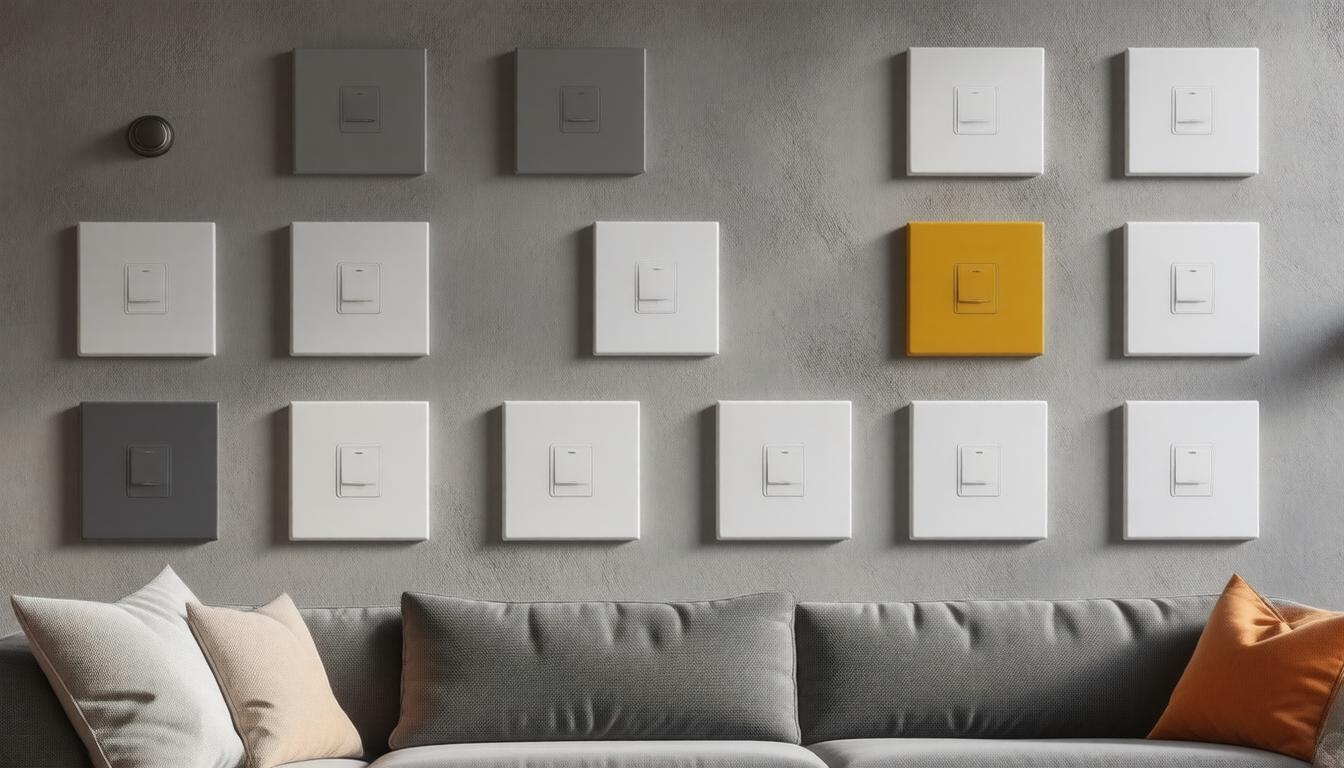
When it comes to making environmentally friendly choices, energy-saving light switches for South African homes can play a pivotal role in reducing electricity consumption. There are several types available, each tailored to meet specific needs and preferences. Firstly, occupancy sensors are extremely popular in homes, as they automatically turn lights on or off when someone enters or exits a room. This not only enhances convenience but also ensures that lights are not left on unnecessarily, which can save a significant amount on electricity bills. Another type is the dimmer switch. Ideal for creating ambience, dimmers allow homeowners to adjust the brightness of their lights, which can lead to considerable energy savings when used correctly. Depending on the mood or task at hand, lower light levels can reduce energy usage while still providing adequate illumination. Additionally, programmable timers can be installed to ensure that lights are only on during certain hours. This is particularly effective for outdoor lighting, allowing homeowners to schedule their lights in accordance with sunset times, leading to both convenience and energy conservation. By opting for these various energy-saving light switches, households across South Africa can not only lower their overall energy consumption but also reduce their carbon footprint, contributing to a more sustainable environment.
4. How to Choose the Right Energy-Saving Light Switch for Your Home
When it comes to optimizing your home's energy efficiency, choosing the right energy-saving light switches for South African homes is a key step that can save you both energy and money. With a multitude of options available, it can be overwhelming to find a switch that truly fits your needs. Start by considering the type of lights you currently use. If you have LED or compact fluorescent bulbs, ensure that the switch you choose is compatible with these energy-efficient options. Next, assess the control features you may want. Some energy-saving light switches come equipped with dimmer functionalities that not only enhance the ambience of your space but also allow for greater energy savings by adjusting light intensity. Additionally, consider smart switches that can be controlled via mobile apps or home automation systems. These modern switches can be programmed to turn off when not in use, offering an extra layer of convenience and efficiency. The location of the switch is another important aspect. For high-traffic areas such as hallways, motion sensor switches can be an ideal choice since they automatically turn on and off based on movement, conserving energy when the space is unoccupied. Finally, don’t forget to check for energy certifications or any warranties that come with the switches, as these indicators of quality can further ensure you're making a wise investment in your home’s energy efficiency. By choosing the right energy-saving light switches for your South African home, you not only reduce your carbon footprint but also enjoy the benefits of lower energy bills.
5. Installation Guide: DIY vs Professional Help
When considering energy-saving light switches for South African homes, one critical factor is how to effectively install them. Homeowners often face the choice between doing a DIY installation or hiring professionals. DIY installations can be cost-effective and empowering, allowing you to personalize your home's lighting system. There are numerous online tutorials and resources that guide you step-by-step through the installation process, making it accessible even for those with minimal electrical experience. However, before diving in, it’s crucial to assess your comfort level and electrical knowledge. If you are unfamiliar with electrical systems, it may be wise to enlist professional help. Certified electricians have the expertise to ensure that the energy-saving light switches are installed correctly and comply with local safety regulations. Moreover, they can offer advice on optimizing your home’s lighting setup for maximum energy efficiency. Ultimately, whether you choose the DIY route or decide to hire a professional, ensuring that your energy-saving light switches are installed correctly is essential. Proper installation not only enhances the performance of your light switches but also contributes to the overarching goal of reducing energy costs in South African households.
6. Tips for Maximizing Energy Efficiency with Light Switches
When it comes to enhancing energy efficiency in South African homes, one often overlooked yet impactful aspect is the use of energy-saving light switches. By integrating these innovative switches, homeowners can significantly reduce their electricity consumption. Here are some tips to make the most out of energy-saving light switches in your home. First, consider installing dimmer switches in rooms where adjustable lighting can create ambiance while saving energy. Dimming lights can cut energy use by up to 20%, making it a simple yet effective change. Second, utilize motion sensor switches in areas like hallways and bathrooms. These switches automatically turn lights on and off, ensuring that lights are only used when needed, which can lead to substantial savings over time. Third, opt for smart light switches that can be controlled remotely via smartphone apps. This means you can turn off lights you may have forgotten about, even when you're away from home. Additionally, ensure all light switches are easily accessible to encourage their use and avoid leaving lights on unnecessarily. Lastly, educate your family about the benefits of these energy-saving light switches for South African homes; awareness goes a long way in changing habits that lead to reduced energy consumption. By following these tips, you can maximize the energy efficiency of your lighting system and contribute to a more sustainable environment.
Frequently Asked Questions
What are energy-saving light switches and how do they work?
Energy-saving light switches are devices designed to help reduce electricity consumption by controlling the operation of lights in your home. They work by utilizing features like timers, dimmers, and occupancy sensors to ensure that lights are only on when needed.
What are the benefits of using energy-saving light switches in South African homes?
Using energy-saving light switches in South African homes can lead to lower electricity bills, increased energy efficiency, and a reduction in environmental impact. Additionally, they can enhance the convenience of managing lighting in your home.
What types of energy-saving light switches are available in South Africa?
In South Africa, you can find various types of energy-saving light switches including dimmer switches, motion sensor switches, timer switches, and smart switches that can be controlled via smartphone apps.
How do I choose the right energy-saving light switch for my home?
When choosing the right energy-saving light switch, consider factors such as the type of lighting you use, your home's layout, your personal energy-saving goals, and whether you prefer a DIY installation or professional help.
Can I install energy-saving light switches myself, or should I hire a professional?
Many energy-saving light switches are designed for easy DIY installation, but if you're unsure or uncomfortable with electrical work, it's advisable to hire a qualified electrician to ensure safety and proper installation.


