



In sunny Durban, lighting isn't just about flipping a switch. It's about beating humidity, dodging power outages, and finding smart ways to keep our homes and braais glowing without torpedoing the electricity bill. Whether you’re living in Umhlanga or Umlazi, we all want lighting that’s safe, eco-friendly, and reliable—even when Eskom says no!
Over the last 16+ years, we’ve installed lighting just about everywhere in KZN – from sleek solar fittings in Bluff to low-humidity LED panels in Durban North offices. One customer I remember swapped out their chandelier for a cluster of energy-saving pendant lights. Not only did it slash their bill, but it completely transformed their space with happy, flicker-free light—proof that eco-friendly doesn’t have to mean boring.
Key Takeaways
- Durban’s humidity and corrosion require lighting built for coastal toughness
- Proper light selection can reduce your Eskom bill while elevating your home’s aesthetic
- Installing LED strip lights in tight indoor spaces helps improve airflow and visibility
- Solar lights and rechargeable options keep the lights on, even during loadshedding
- LED wall lights and pendant lights are favourites for eco-upgrades across KZN homes
- Smart eco-lighting leads to long-term savings, safety and stylish interiors

Understanding Durban’s Coastal Lighting Needs
The Humidity Factor
If you’ve lived in Durban for more than five minutes, you know how sticky things can get. All that moisture in the air causes quick corrosion, especially on outdoor fittings. It’s essential to choose products with the right **IP rating**, like IP65 or even IP68 for coastal zones, to keep rust at bay. One of our go-to picks is a coastal-rated bulkhead or floodlight with rubber gaskets and sealed connectors, which you can browse in our Coastal Floodlights Collection.
Salt Mist and Rust Trouble
Salt air wreaks havoc on untreated fittings—even indoors if you’re close enough to the beach. A great alternative is powder-coated aluminium or polypropylene exteriors on lights. We've fitted polypropylene wall lights in many beachfront Airbnbs around Ballito, and they’ve held up brilliantly. Avoid untreated metals unless you want expensive replacements in a year.
Airflow, Placement & Fixtures
In homes where airflow is a challenge, especially bathrooms or sculleries that get steamy quickly, using IP-rated ceiling lights can make a big difference. Remember that SANS regulations require IP44 or higher for bathroom zone 1 installations. You can explore various ventilation-friendly ceiling lights in our Bathroom Lights Collection.

Durban’s salty winds and high moisture mean your lighting must be built to withstand coastal conditions from day one.
The LED Advantage in a Durban Climate
Why LED Wins—Hands Down
LEDs not only use up to 80% less power than incandescent bulbs, they run cooler, making them perfect for hot spaces. CFLs may seem affordable, but they can’t compete on longevity or heat output. Many Durban homes are now moving over to LED Bulbs to beat Eskom and heat simultaneously.
CRI Really Matters
Colour Rendering Index (CRI) helps determine how "real" your objects look under the light. A CRI of 80+ is a must in living spaces, but if you're doing artwork or displaying books, shoot for 90+. We once retrofitted an arts studio in Morningside with **CRI 95 strip lights**, and the difference in colour accuracy was mind-blowing. High CRI lights are available in our LED Strip Light Kits.
3000K vs 4000K vs 6000K
Know your colour temps: 3000K is cosy and best for lounges, 4000K is neutral (ideal for kitchens and offices), while 6000K is daylight-bright and great for task areas like garages. Just be careful installing 6000K in bedrooms—you don’t want your sanctuary feeling like a storeroom. Read more about ideal matches in our LED Downlights Collection.
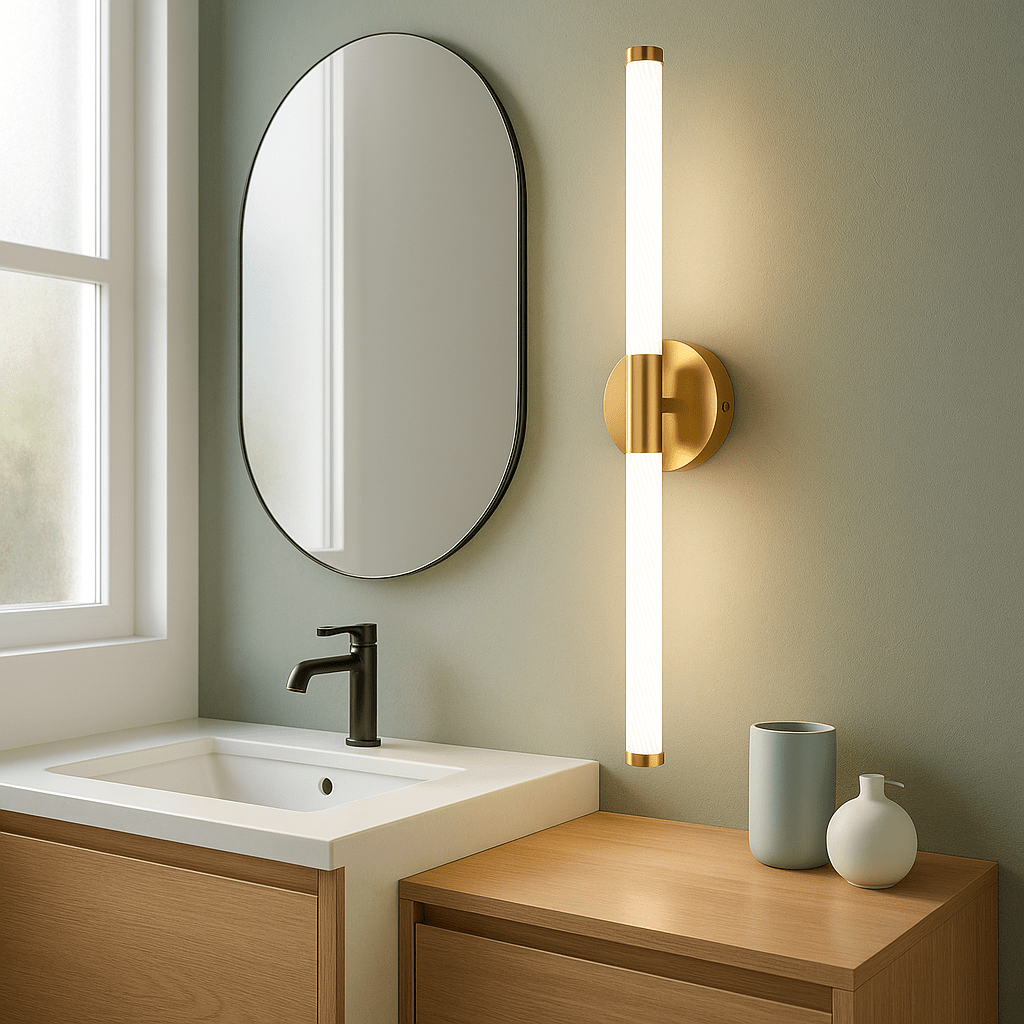
Warm vs cool white? Choosing the right light temperature boosts both home comfort and energy vibes.
Warm vs Cool Lighting – Quick Guide
| Feature | Warm White (3000K) | Cool White (6000K) |
|---|---|---|
| Best Rooms | Bedrooms, lounges | Garages, studies, kitchens |
| Emotion | Cosy, relaxed | Energised, focused |
| CRI Compatibility | Recommended: 80-90+ | Recommended: 90+ |
| Power Consumption | Low | Low |
Quick Checklist
- Choose lights with high IP ratings for coastal durability
- Opt for LED bulbs over CFL for better heat and energy efficiency
- Use warm white tones (3000K) for areas where you relax
- Install rechargeable and solar lights to stay bright during outages
- Use high CRI lighting for workspaces or art displays
Feeling inspired to light up your Durban space more sustainably? Dive into our full collection, check out a spotlight product like the Amber LED Pendant, and browse even more tips in our blog area—your eco-lighting journey starts today.
Frequently Asked Questions
Q1: What lighting is best for coastal areas like Durban?
Look for IP65-rated fixtures and corrosion-resistant materials like polypropylene or treated aluminium. Avoid exposed metals near salty air.
Q2: Are solar lights effective during Durban’s cloudy weather?
Yes, many modern panels are efficient even in diffused light—choose solar lights with battery storage for night reliability.
Q3: How do I improve light quality in a small Durban bathroom?
Use IP44 ceiling-rated warm white LEDs with high CRI to balance safety and soft glow in humid or enclosed spaces.
Q4: What temperature light is best for relaxing?
Warm white lights (around 2700K to 3000K) are best for relaxing environments like lounges or bedrooms.
Q5: What’s better—LED strips or downlights?
LED strips are great for ambient and task lighting in hard-to-reach spots, while downlights provide focused, clean general lighting.
Q6: What’s the benefit of dimmable eco lights?
Dimmable LEDs let you adjust ambience, save electricity, and extend bulb life—ideal for multi-use rooms like lounges or studies.
Q7: How can I protect my lighting during load shedding?
Use rechargeable LED bulbs and solar floodlights. Consider battery backups and surge protectors to avoid damage when power returns.
Q8: Are CFLs still worth it in South Africa?
Not really. LEDs outperform CFLs in efficiency, longevity, and safety—especially in warm, coastal locations like Durban.


