


Indoor gardening has been gaining popularity in South Africa, as more gardening enthusiasts embrace the convenience of growing plants indoors. With the rise in the use of technology, LED grow lights have emerged as a favorite tool for providing optimal light conditions for plants. However, a common concern amongst gardeners is whether these lights contribute to drying out soil in houseplants. Today, we will explore the question: does LED grow lights dry out soil? This article will delve into the functionality of LED grow lights, their impact on soil moisture, and provide practical tips for maintaining healthy soil moisture levels in your indoor garden.
Key Takeaways
- LED grow lights emit less heat compared to traditional light sources, which helps retain soil moisture.
- Soil drying primarily results from inadequate watering and environmental factors rather than the use of LED lights.
- Using LED grow lights in conjunction with proper humidity and watering practices can maintain healthy soil levels.
- Myths suggesting that LED grow lights inherently dry out soil are often unfounded and based on misunderstandings.
- Implementing best practices for LED usage can enhance plant growth while ensuring soil remains adequately moist.
Understanding LED Grow Lights and Their Functionality
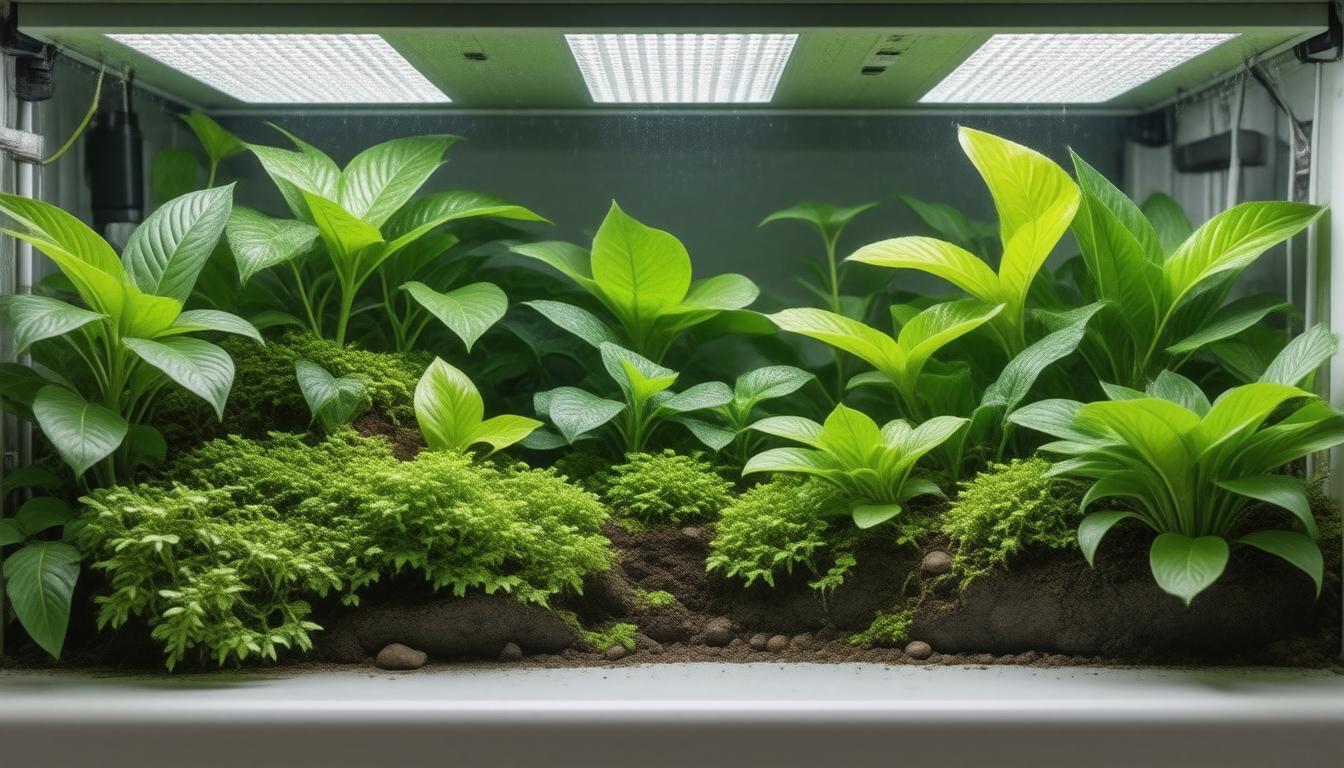
LED grow lights have become essential tools for both amateur and professional indoor gardeners across South Africa. These energy-efficient lighting solutions are designed to mimic the natural sunlight that plants need for photosynthesis, thus promoting healthy growth. One common question regarding the use of LED grow lights is, 'does LED grow lights dry out soil?' The short answer is yes, but let’s explore how and why this happens. When plants are grown indoors under LED lights, the environment tends to be warmer and more controlled compared to outdoor conditions. This warmth can increase the rate of evaporation from the soil, leading to quicker drying times. Additionally, the intensity of the LED grow light can also affect moisture retention in the soil. If you are utilizing LED lights that emit significant heat, it's crucial to regularly monitor soil moisture levels because dry soil can stunt plant growth and lead to nutrient deficiencies. To combat this, consider incorporating humidity control measures in your gardening setup. Utilizing a humidity dome or placing a tray of water near your plants can help in maintaining adequate moisture levels in the air and soil. Furthermore, using quality potting soil that retains moisture well can mitigate the drying effects of LED grow lights. Choosing the right spectrum and intensity settings for your LED grow lights can also play a role in reducing moisture loss. By ensuring your plants receive the correct light spectrum tailored for their growth stage – whether it's seedling, vegetative, or flowering – you can optimize both plant health and soil moisture levels. With the right strategies, you can harness the benefits of LED grow lights while maintaining optimal soil conditions for your indoor garden.
The Impact of Light on Soil Moisture Levels
The connection between light and soil moisture levels is crucial for plant health, especially for indoor gardening enthusiasts. One common question arises for those utilizing artificial lighting: does LED grow lights dry out soil? Understanding this relationship is vital, as it can impact watering schedules and overall plant growth. LED grow lights are designed to be energy-efficient and emit less heat compared to traditional lighting options. This heat reduction can potentially minimize water evaporation from the soil surface, which may suggest that they do not dry out the soil as quickly as their hotter counterparts. However, the moisture levels in the soil can still be influenced by the intensity and duration of light exposure. When using LED grow lights, it’s essential to monitor the environment closely. Factors such as the type of plants, stage of growth, and overall humidity levels in the room can affect how often you might need to water. For instance, during the seedling stage, plants typically require more moisture, and while LED lights may not significantly dry out the soil, careful attention is still mandatory. Therefore, it is recommended that gardeners routinely check soil moisture with a simple finger test or a moisture meter, ensuring that plants receive the adequate hydration they need to thrive. Overall, while LED grow lights are less likely to dry out soil excessively, they still necessitate diligent watering practices tailored to individual plant requirements. By maintaining optimal conditions, you can successfully harness the advantages of LED technology without compromising soil moisture.
'The best way to predict the future is to create it.' - Peter Drucker
Comparing LED Grow Lights with Other Light Sources
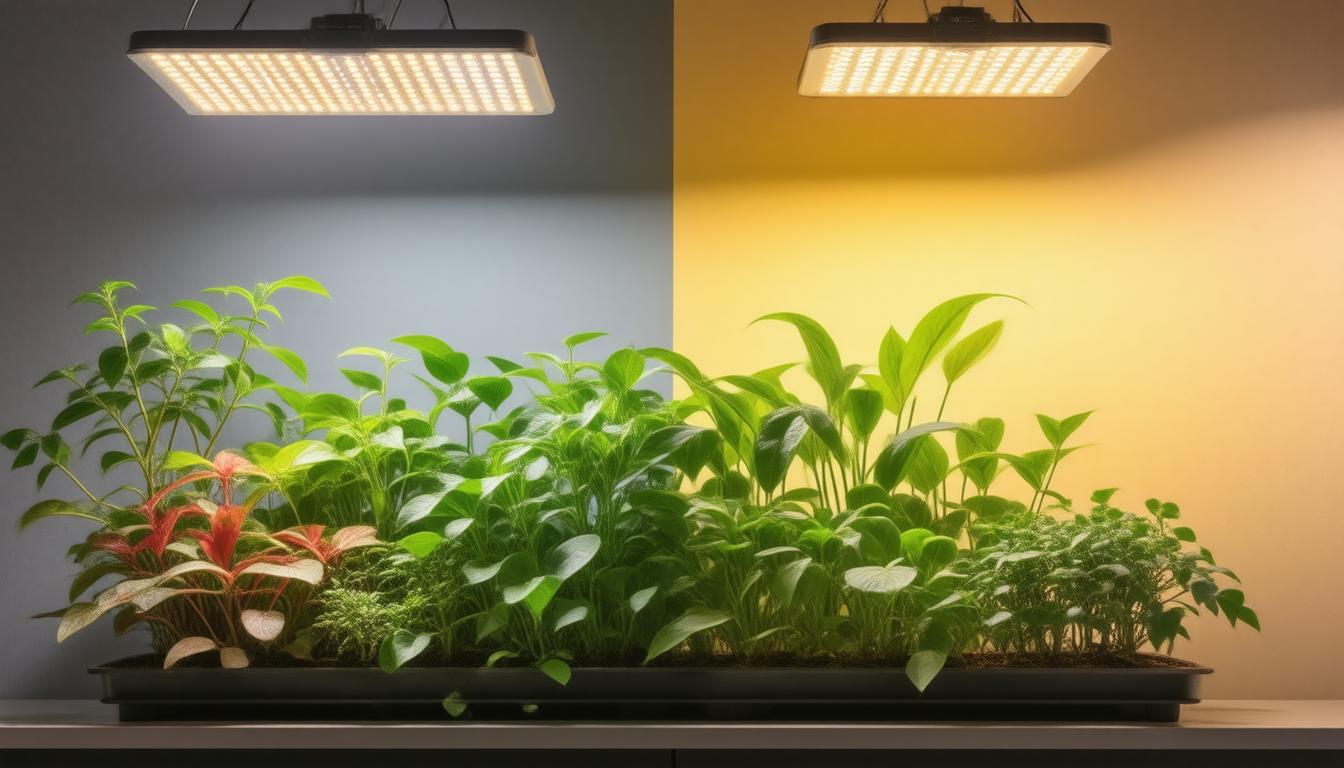
When it comes to indoor gardening and the cultivation of plants, the choice of lighting is crucial, as it directly influences plant growth and health. Among the various lighting options available, LED grow lights have gained significant popularity for their efficiency and effectiveness. But a common question among new growers is, 'does LED grow lights dry out soil?' Understanding how LED lights interact with soil moisture can help optimize your growing environment. Unlike traditional fluorescent and incandescent bulbs, LED grow lights emit less heat, which is a primary concern for many indoor gardeners. Excessive heat can lead to faster evaporation of moisture in the soil, ultimately jeopardizing plant health. This unique feature of LED grow lights means they are less likely to dry out the soil compared to other light sources. Instead of focusing on drying the surrounding environment, they provide the necessary spectrum of light that enhances photosynthesis while maintaining moderate temperatures. Consequently, this allows you to maintain optimal soil moisture levels, which is essential for root development and nutrient absorption. Moreover, incorporating efficient irrigation systems or using moisture-retaining soil mixtures will further enhance your growing experience. By understanding how LED grow lights work and their potential impact on soil moisture, you can create a thriving indoor garden, ensuring your plants receive the vital light they need without risking soil desiccation.
Best Practices for Using LED Grow Lights Without Drying Out Soil
When it comes to indoor gardening, one question that frequently arises is, 'does LED grow lights dry out soil?' This is an important consideration for gardeners who rely on artificial lighting to nurture their plants. While LED grow lights are undoubtedly energy-efficient and provide the necessary spectrum for plant growth, they can inadvertently lead to dry soil if not used correctly. To maximize the benefits of LED lighting while preventing soil from drying out, it's essential to incorporate some best practices into your gardening routine. First and foremost, monitoring the distance between your LED grow lights and your plants is crucial. Placing lights too close can increase temperature and accelerate moisture evaporation from the soil. For optimal results, maintain a distance recommended by the light's manufacturer, typically around 30 to 24 inches, depending on the wattage and type of LED system. Secondly, consider investing in humidity trays or utilizing pebble trays filled with water under your pots. This method not only helps maintain humidity levels but can also create a microclimate that reduces evaporation. Implementing regular watering routines without overdoing it will also aid in keeping your soil consistently moist. Early morning watering is preferable as it allows plants to utilize the moisture throughout the day before lights go off. Moreover, evaluating your soil composition can significantly impact moisture retention. Using a well-aerated mix that includes organic materials like coconut coir or compost can help retain moisture longer, providing roots with the support they need. Finally, be mindful of how often you run your grow lights; excessive light can lead to excessive heat, indirectly contributing to drier soil conditions. By following these guidelines, you can successfully integrate LED grow lights into your gardening practice without sacrificing soil moisture.
Common Myths About LED Grow Lights and Soil Moisture
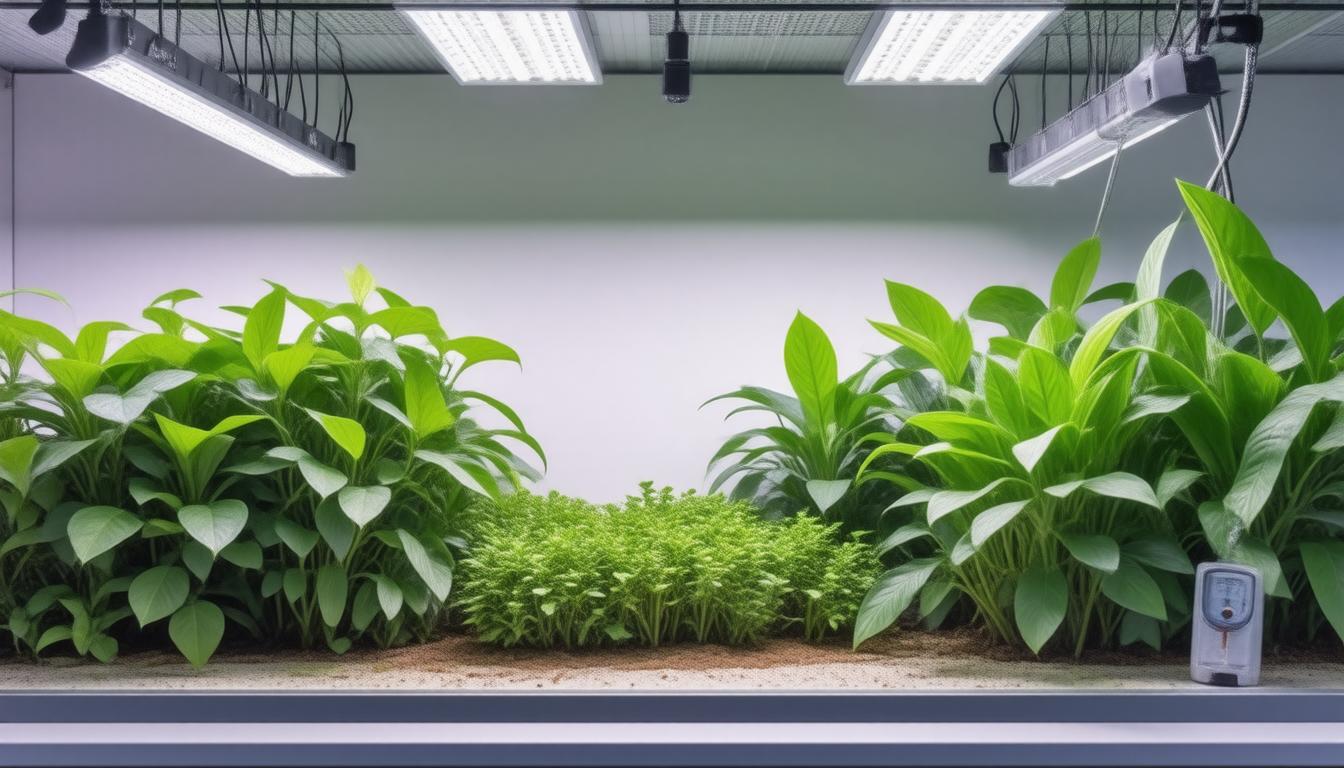
LED grow lights have revolutionized the indoor gardening scene, providing plants with the light they need to thrive while also being energy efficient. However, there are many common myths surrounding their usage, particularly regarding their impact on soil moisture. A prevalent misconception among novice gardeners is that LED grow lights dry out soil more than traditional lighting options. In reality, the amount of soil moisture is influenced more by factors such as watering practices, humidity levels, and plant types rather than the lighting itself. Many growers are discovering that by managing these elements effectively, they can maintain optimal moisture levels even under LED lighting. It's essential to understand that while LED lights emit less heat compared to other forms of lighting, they can still cause soil moisture to evaporate. However, this evaporation rate is not significantly higher than that caused by any other lights. Many techniques, such as using humidity domes or moisture-retaining soils, can mitigate these effects. Additionally, investing in a hygrometer can help you monitor soil moisture levels effectively. This tool allows you to track whether your plants' soil is drying out too quickly, thus enabling you to adjust your care routine accordingly. Gardening enthusiasts in South Africa are increasingly turning to LED technology for their indoor gardens, dispelling the myth that 'does LED grow lights dry out soil?' Ultimately, the success of your indoor garden depends on a balance of factors, including light, water, and environmental conditions.
Conclusion: Maintaining Healthy Soil with LED Grow Lights
In conclusion, while the question of 'does LED grow lights dry out soil?' is a valid concern for many indoor gardeners, the reality is that LED grow lights are designed to be energy-efficient and produce minimal heat compared to traditional lighting options. This means they are less likely to cause soil to dry out rapidly. However, it's important to understand that the moisture levels in your soil are influenced by various factors, including your watering routine, humidity levels, and the type of plants you are growing. To maintain healthy soil and prevent any moisture loss, it’s essential to monitor the environmental conditions in your growing space. Pairing your LED grow lights with regular soil checks, maintaining proper watering schedules, and monitoring indoor humidity can cultivate a thriving growth atmosphere. By optimizing these elements, indoor gardeners can effectively harness the benefits of LED technology while ensuring their soil remains rich and vibrant.
Frequently Asked Questions
Do LED grow lights dry out the soil more than other light sources?
LED grow lights do not inherently dry out soil more than other light sources. The drying out of soil primarily depends on the intensity of light and the duration of exposure, not the type of light. However, compared to some traditional grow lights, LED lights can produce less heat which may help in maintaining soil moisture.
How can I prevent my soil from drying out when using LED grow lights?
To prevent soil from drying out, ensure you are regularly monitoring the moisture levels and adjust your watering schedule accordingly. Additionally, consider using mulch to help retain moisture in the soil.
Are there specific types of plants that are more affected by LED grow lights and soil moisture?
Yes, some plants, especially those that prefer high humidity and moisture, may be more susceptible to drying out. It’s important to understand the specific needs of your plants and adjust your lighting and watering practices accordingly.
What are some common misconceptions about LED grow lights and soil moisture?
A common myth is that LED grow lights always dry out soil due to their intensity. In reality, while they can produce strong light, they typically generate less heat than older light types, potentially helping to maintain soil moisture rather than deplete it.
Can I use a humidifier alongside LED grow lights to maintain soil moisture?
Yes, using a humidifier can help maintain higher humidity levels in the grow area, which in turn can help keep the soil moist. This is particularly beneficial for plants that thrive in more humid environments.


