


In recent years, indoor gardening has gained immense popularity among plant enthusiasts, particularly in South Africa, where the climate can vary widely. One of the most crucial aspects of nurturing thriving plants is ensuring they receive adequate light. As technology advances, many are asking the question: do LED lights work as grow lights? This article delves deep into the world of LED grow lights, exploring their functionality, benefits, and how they compare to traditional options. Whether you are an experienced gardener or a novice looking to enhance your indoor gardening efforts, understanding the intricacies of LED grow lights will empower you to make informed choices. Join us as we examine the best options available and provide essential tips for maximizing plant growth using these innovative lighting solutions.
Key Takeaways
- LED grow lights are effective for promoting plant growth by providing the appropriate light spectrum.
- They offer numerous benefits, including energy efficiency and reduced heat output compared to traditional grow lights.
- Comparing LED lights to traditional options highlights their long lifespan and lower operating costs.
- Key factors to consider when selecting LED grow lights include lumens, light spectrum, and wattage.
- To maximize plant growth, proper placement and timing of LED lights are essential.
Understanding LED Grow Lights: How They Work
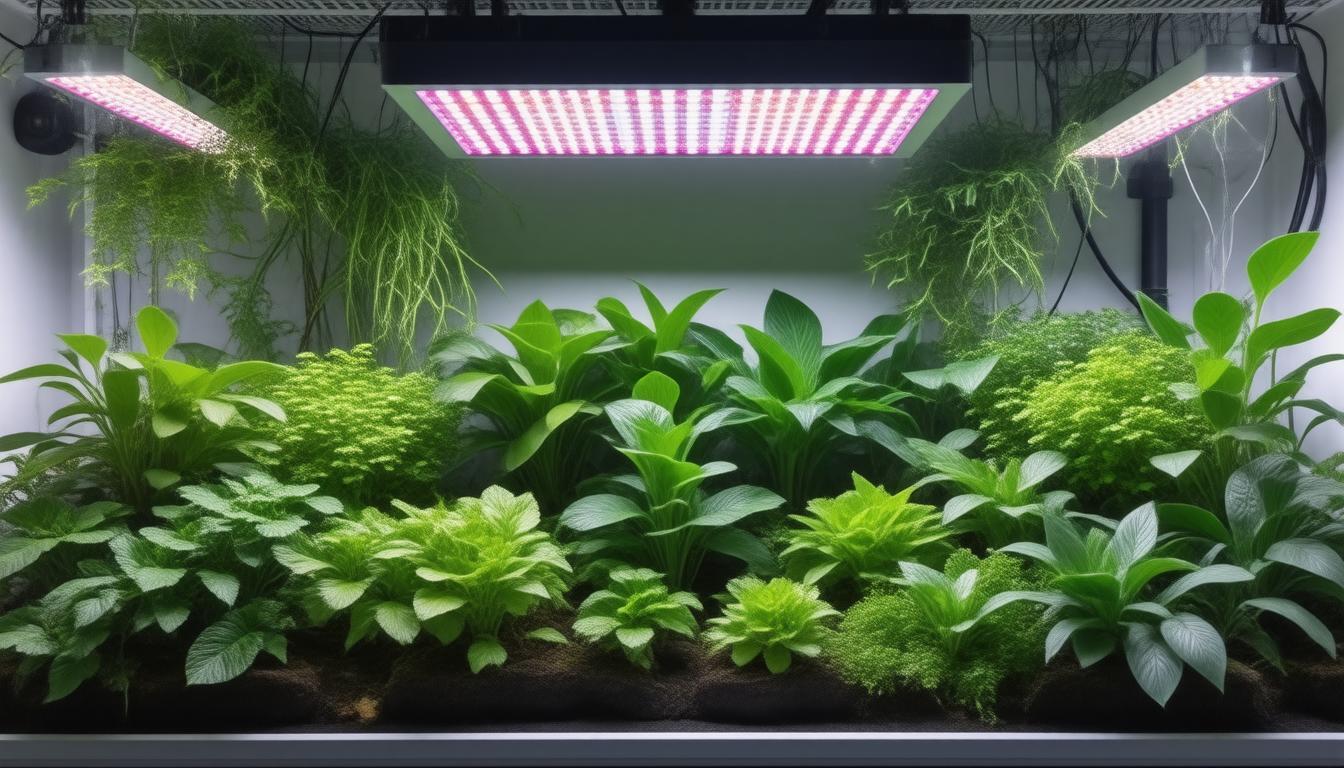
LED grow lights have revolutionized indoor gardening by providing an efficient, effective way to cultivate plants without relying on natural sunlight. But to truly grasp their advantages, it’s essential to understand how they work. These lights emit specific wavelengths of light that are crucial for photosynthesis—the process through which plants convert light energy into chemical energy. LED technology allows for the combination of different color spectrums, enabling growers to customize the light output according to the specific growth stages of their plants. For instance, blue light is crucial during the vegetative stage, promoting healthy leaf and stem growth, while red light is more beneficial during flowering and fruiting stages. By asking, 'do LED lights work as grow lights?', you're diving into the science of how these lights can mimic sunlight while delivering the intensity needed for plant growth. Furthermore, LED grow lights are energy-efficient and generate less heat than traditional lighting options, reducing energy costs while minimizing the risk of overheating your plants. For those in South Africa looking to optimize their indoor gardens, understanding the mechanics behind LED grow lights can lead to remarkable gardening success.
Benefits of Using LED Lights for Plant Growth
When it comes to indoor gardening or enhancing plant growth in less than ideal conditions, many enthusiasts are asking, 'do LED lights work as grow lights?' The short answer is yes, and there are several compelling reasons to consider LED lights for this purpose. One key advantage of LED grow lights is their energy efficiency. Compared to traditional grow lights, LEDs consume significantly less power, making them a cost-effective option for long-term use. This efficiency does not come at the cost of performance, as LED lights emit a spectrum of light that closely mimics natural sunlight, which is essential for photosynthesis. Additionally, LEDs produce less heat than other types of grow lighting, reducing the risk of burning your plants and helping regulate temperature in your growing environment. Furthermore, LED grow lights can be tailored to specific plant needs, with options available that provide just the right wavelengths for different growth stages, from seedling to flowering. As a result, they promote faster growth rates and higher yields, making them an excellent choice for gardeners looking to maximize their returns. With advantages like reduced energy costs, temperature control, and customized light spectrum, it is clear that LED lights are not just a trend; they are an effective solution for cultivating vibrant and healthy plants.
'The best time to plant a tree was twenty years ago. The second best time is now.' - Chinese Proverb
Comparing LED Grow Lights to Traditional Grow Lights
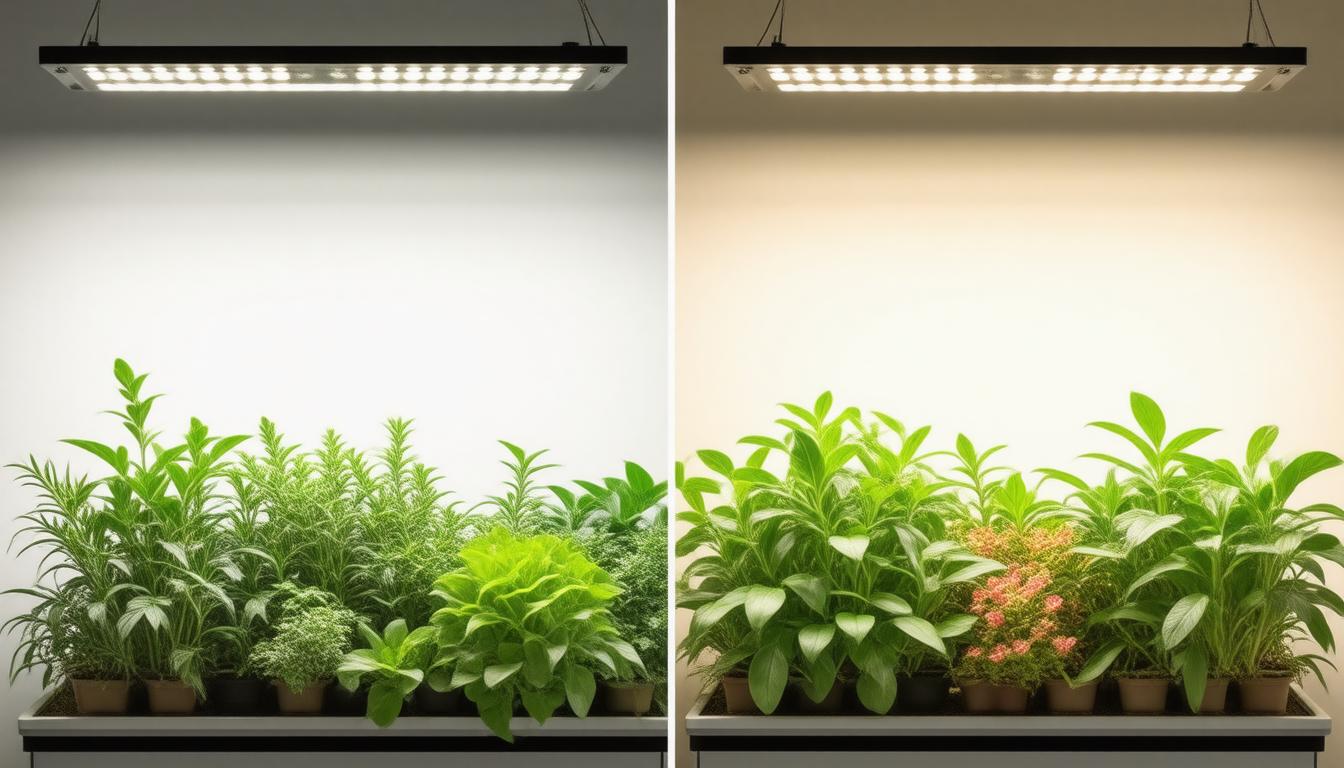
When it comes to indoor gardening or growing plants, one common question arises: do LED lights work as grow lights? The answer is a resounding yes, and in many cases, they outperform traditional grow lights. LED grow lights use advanced technology to provide a spectrum of light that is more efficient for photosynthesis, promoting better growth in plants. Unlike traditional grow lights, which often emit a significant amount of heat and consume more electricity, LED lights run cooler, making them more energy-efficient and cost-effective in the long run. Moreover, LED technology allows for a customizable light spectrum, meaning growers can fine-tune the wavelengths to suit specific plants' growth stages, from seedling to flowering. This adaptability can significantly increase crop yield and quality. Another advantage is the longevity of LED lights; they typically last tens of thousands of hours, reducing the frequency of replacements and minimizing waste. For South African gardeners looking to maximize their indoor farming efforts, investing in LED grow lights is not just a trend—it's a wise choice that balances performance with sustainability. As we compare LED grow lights to traditional ones, understanding these differences can help you make an informed decision suited to your gardening needs.
Factors to Consider When Choosing LED Grow Lights
When it comes to indoor gardening and hydroponics, one of the most frequently asked questions is, 'do LED lights work as grow lights?' The simple answer is yes, but there are several crucial factors to consider when selecting the right LED grow lights for your plants. First, it's essential to understand the spectrum of light that your plants need for optimal growth. Look for LED lights that provide a full spectrum, including blue light for vegetative growth and red light for flowering phases. Additionally, consider the wattage and luminosity—higher watt LED lights can penetrate deeper into the canopy of your plants, ensuring that all leaves receive the necessary light for photosynthesis. Furthermore, heat output is another important aspect; LEDs generally emit less heat than traditional grow lights, which means less risk of damaging your plants while also reducing the need for additional cooling systems. Also, evaluate the size of your growing space, as larger areas may require multiple fixtures or a more powerful LED panel. Finally, energy efficiency is a significant factor; LED grow lights consume less power than their incandescent counterparts, not only saving on electricity costs but also being environmentally friendly. By considering these factors carefully, you can ensure that your indoor garden thrives under the right lighting conditions.
Top Recommended LED Grow Lights for Indoor Gardening
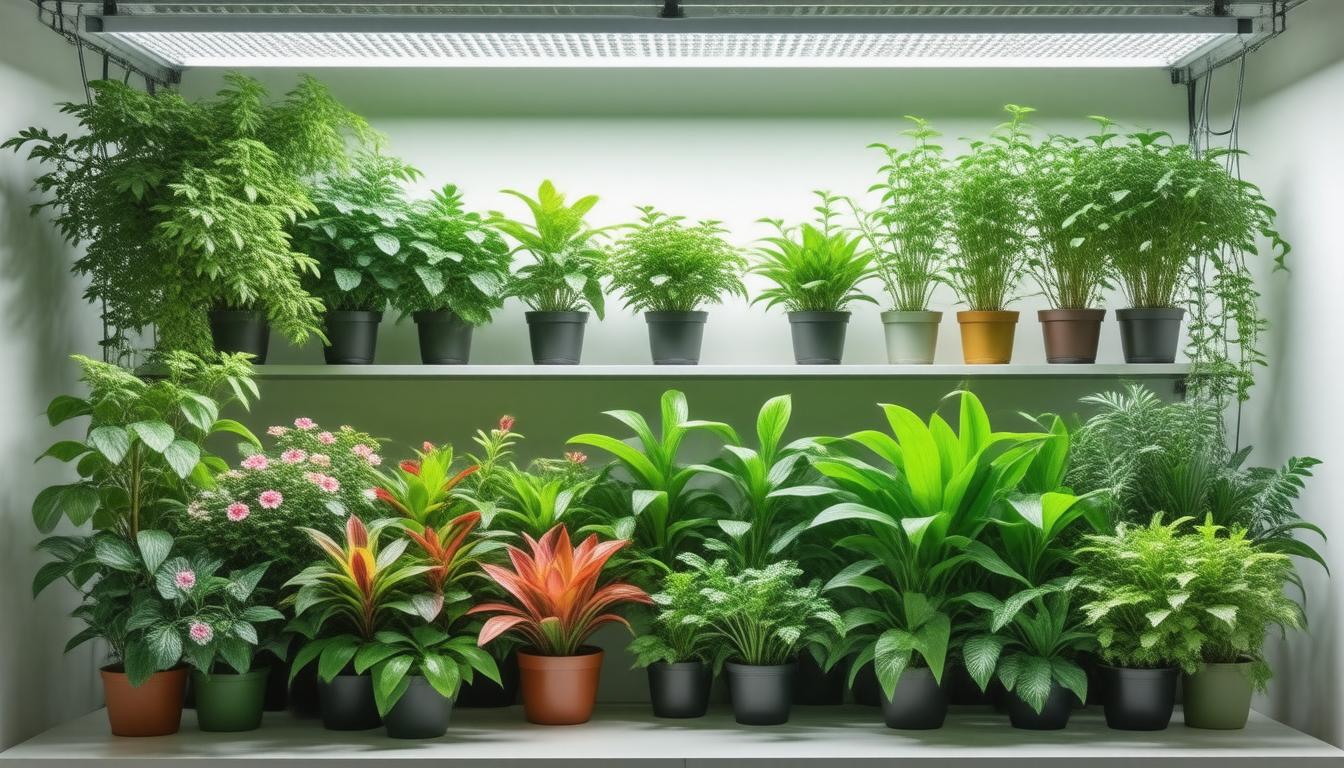
When it comes to indoor gardening, one of the most frequently asked questions is, 'do LED lights work as grow lights?' The answer is a resounding yes! LED lights have become increasingly popular among indoor gardeners for their energy efficiency, longevity, and capability to provide the necessary spectrum of light needed for plant growth. Unlike traditional fluorescent or incandescent bulbs, LED grow lights emit less heat, making them safer to use in small indoor spaces and reducing the risk of burning your plants. Moreover, LED grow lights consume less power, making them a cost-effective option for those looking to cultivate a variety of plants indoors. They are available in a range of spectrums, allowing gardeners to choose the right light for each stage of plant growth. For instance, blue light promotes vegetative growth, while red light is essential for flowering and fruiting. As an indoor gardener in South Africa, you can take advantage of high-quality LED lights specifically designed for different plant species, ensuring optimal growth potential year-round. Not only do these lights support healthy plant development, but they also help in saving on energy costs, which can be a significant concern in the long months of growth. Whether you are starting with herbs, vegetables, or even ornamental plants, investing in LED grow lights can greatly enhance your indoor garden's productivity.
Tips for Maximizing Plant Growth with LED Lights
As more gardeners explore innovative techniques to enhance their plant growth, the question arises: do LED lights work as grow lights? The answer is a resounding yes, as LED lights have become increasingly popular among both amateur and professional cultivators. These energy-efficient bulbs emit specific wavelengths of light that are ideal for photosynthesis, stimulating plant growth throughout all stages of their lifecycle. To maximize plant growth with LED lights, consider the following tips. Firstly, choose the right spectrum of light for your plants. Different stages of growth require varying light spectrums; for instance, blue light is essential for vegetative growth, while red light promotes flowering and fruiting. Secondly, the distance between the LED lights and your plants should be carefully managed. Placing lights too close can lead to leaf burn, while positioning them too far can hinder growth due to inadequate light exposure. A distance of 30 to 50 centimeters is generally considered optimal, but this can vary based on the intensity of the LED lights used. In addition to light spectrum and distance, consider the timing of exposure. Plants rely on a cycle of light and dark to thrive, so it's beneficial to mimic natural day and night cycles with a timer. Finally, keep your growing area clutter-free; a well-organized space ensures that light can reach your plants evenly, promoting uniform growth. By following these simple yet effective tips, you can harness the power of LED lights to create a flourishing indoor garden, whether you’re growing herbs on your kitchen windowsill or cultivating a larger variety of ornamental plants.
Frequently Asked Questions
What are LED grow lights?
LED grow lights are artificial light sources that use light-emitting diodes to promote plant growth by providing the specific wavelengths of light that plants need for photosynthesis.
How do LED lights compare to traditional grow lights?
LED lights are generally more energy-efficient and have a longer lifespan compared to traditional grow lights like fluorescent or incandescent bulbs. They produce less heat, allowing for closer placement to plants and reducing the risk of overheating.
What should I consider when choosing LED grow lights?
When selecting LED grow lights, consider factors such as the spectrum of light provided, energy efficiency, the size of the growing area, and whether the lights have features like adjustable spectrums or timers.
Can I use any LED light for growing plants?
Not all LED lights are suitable for plant growth. Specialized LED grow lights are designed to emit the right spectrum of light (such as red and blue wavelengths) that plants require for effective photosynthesis.
What are some tips for maximizing plant growth with LED lights?
To maximize plant growth using LED lights, ensure proper light placement, maintain appropriate light duration based on plant needs, monitor temperature and humidity levels, and regularly check for signs of plant stress or nutrient deficiencies.


