


In recent years, indoor gardening has gained immense popularity among South Africans, thanks to the versatility and convenience it offers. A crucial component of successful indoor gardening is efficient lighting, where LED grow lights have emerged as a frontrunner. As urban dwellers increasingly turn to grow lights to nurture their green spaces, many are left wondering: do LED grow lights use a lot of electricity? This article delves into the functionality of LED grow lights, their energy consumption compared to traditional options, and how they can transform not only your gardening experience but also your energy bills. Whether you're a seasoned gardener or just starting out, understanding energy efficiency in grow lights is vital in making informed decisions for a sustainable future.

Key Takeaways
- LED grow lights are energy-efficient alternatives to traditional grow lights.
- Compared to traditional lighting, LED grow lights significantly reduce electricity consumption.
- Factors such as wattage, usage duration, and plant type influence the power usage of LED systems.
- Utilizing LED grow lights can result in long-term savings on energy bills for indoor gardening.
- LED grow lights offer environmental benefits by reducing electricity demand and lowering carbon footprints.
Introduction to LED Grow Lights
As gardening enthusiasts and indoor plant lovers turn to innovative solutions for plant growth, one question often arises: do LED grow lights use a lot of electricity? This inquiry is pivotal, especially for South African gardeners looking to maximize their yields while being conscious of their energy consumption. LED grow lights, known for their efficient light spectrum that promotes photosynthesis, have gained popularity over traditional lighting options due to their lower energy usage and longer lifespan. In fact, LED technology has evolved to deliver high-intensity light without significantly increasing electricity costs. When you compare LED lights with older grow light technologies such as high-pressure sodium or metal halide, the energy savings can be remarkable, making it an eco-friendly choice for those cultivating indoors or in controlled environments. Not only do these lights provide the necessary wavelengths for plant growth, but their ability to generate less heat means that you'll require less energy to maintain optimal temperatures, further reducing electrical overheads. For South African gardeners, investing in LED grow lights could mean large-scale energy savings without sacrificing plant health or growth rates. In the aftermath of the ongoing energy challenges faced by the nation, exploring energy-efficient gardening solutions like LED technology becomes not just beneficial, but almost essential for cultivating a thriving home garden.
How LED Grow Lights Work
When considering the effectiveness of indoor gardening, many enthusiasts ask, 'do LED grow lights use a lot of electricity?' Understanding how these lights operate can help you appreciate their efficiency. LED grow lights operate through a technology that converts electrical energy into light with minimal heat production. This is achieved through light-emitting diodes (LEDs), which emit specific wavelengths of light that plants utilize for photosynthesis. Compared to traditional lighting methods, like incandescent or fluorescent bulbs, LED lights consume far less energy to produce the same amount of light. In fact, many indoor growers choose LED lights precisely for their energy savings. Not only do they have a longer lifespan, often exceeding 50,000 hours, but they also reduce overall electricity costs. Long-tail keywords such as 'energy-efficient plant lighting' and 'low power consumption grow lights' highlight the benefits of using LED grow lights, particularly in South Africa where electricity costs can be a significant consideration for households. Additionally, the lower heat output of LED lights means less need for ventilation systems, which can further contribute to energy savings. Thus, the initial investment in quality LED grow lights can lead to substantial cost reductions over time, making them an appealing choice for both novice and experienced gardeners.
'Energy efficiency is not just about reducing consumption; it is about stretching our resources to meet our needs today without compromising those of future generations.' – Anonymous
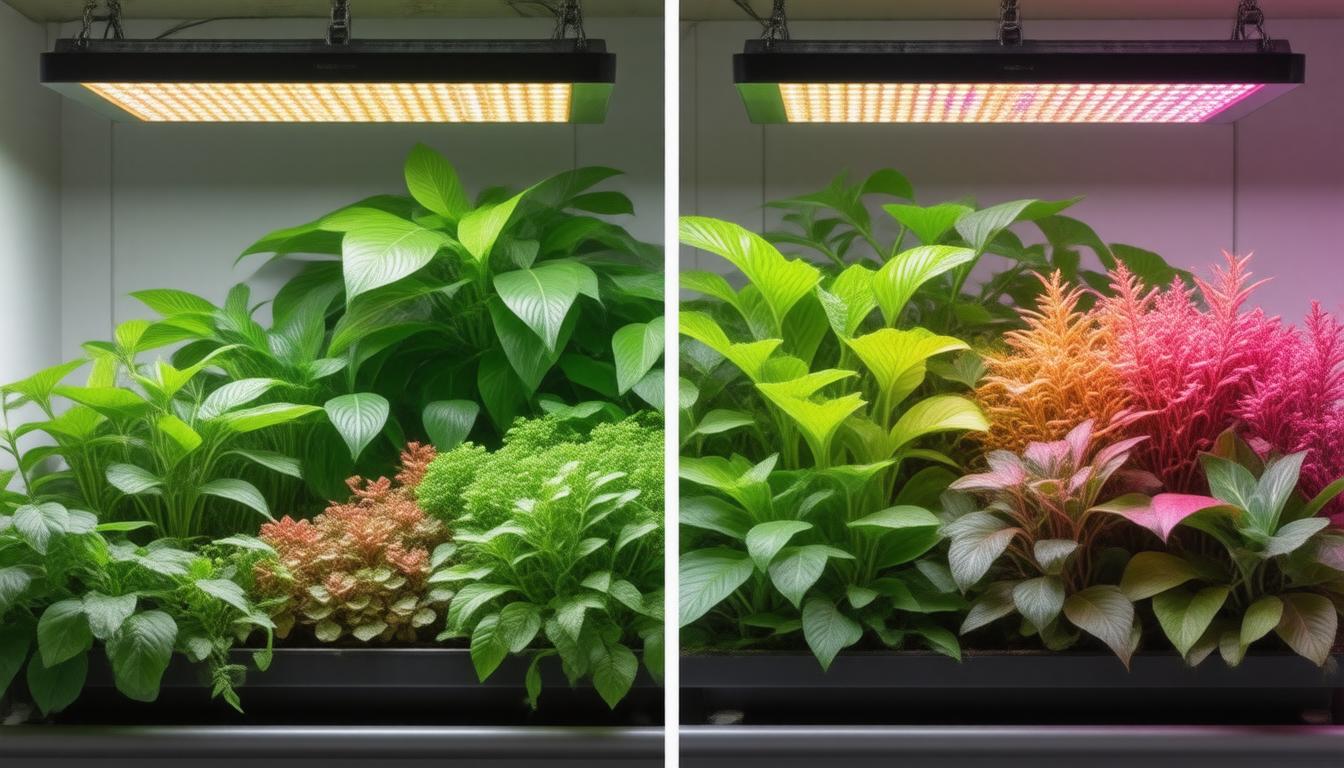
Comparative Energy Consumption: LED vs. Traditional Grow Lights
When considering indoor gardening or hydroponics in South Africa, a common question that arises is, 'do LED grow lights use a lot of electricity?' This inquiry is crucial for both novice and experienced gardeners, especially given the increasing cost of electricity. Traditional grow lights, such as incandescent and fluorescent options, consume significantly more electricity compared to their LED counterparts. LED grow lights are designed to be more energy-efficient, often using up to 75% less energy than traditional lighting systems. This reduction in energy consumption not only lowers utility bills but also extends the lifespan of the lighting, which is a vital consideration for any gardener looking to maximize their returns while minimizing operating costs. In addition to their energy efficiency, LED grow lights emit less heat, reducing the need for additional cooling systems, which can further contribute to decreased electricity usage. For those in South Africa, where maintaining a suitable growth environment can be impacted by external temperatures, this feature is especially beneficial. By using LEDs, you create an optimal growing atmosphere without straining your electricity supply. Moreover, when assessing long tail keywords like 'energy-saving grow lights in South Africa' or 'economic benefits of LED grow lights,' it becomes clear that investing in LED technology offers both environmental and financial advantages. Thus, transitioning to LED grow lights not only benefits your plants but also supports sustainability efforts and energy conservation initiatives.
Factors Influencing Power Usage of LED Grow Lights
When considering the question, 'do LED grow lights use a lot of electricity?' it's essential to take into account several factors that influence power usage, helping you make a more informed decision for your indoor gardening or commercial farming needs. Firstly, the wattage of the LED grow light plays a crucial role; higher wattage lights generally consume more electricity but can provide more intense light for plants, promoting better growth and yields. Additionally, the efficiency of the LED technology itself matters. Advanced LED grow lights typically offer more lumens per watt, which translates to bright light with less energy consumption. Another aspect to consider is the duration of use; if you are running your lights for longer hours, your overall energy intake will inevitably increase. Environmental factors can also impact power usage, such as room temperature and humidity, which may require heating or cooling, thereby affecting the overall electricity needed for optimal growth conditions. Finally, the type of plants you are growing will influence your light requirements; some may need more light than others, which could lead you to select lights with higher wattage. By understanding these factors, you can better assess how much electricity LED grow lights will consume in your specific setup.
Benefits of Energy Efficiency in Indoor Gardening
Energy efficiency is a crucial consideration for indoor gardeners looking to optimize their cultivation practices. One of the most pressing questions among beginners and seasoned growers alike is: do LED grow lights use a lot of electricity? Understanding the energy consumption of these lights is essential for both the financial aspect and environmental impact of indoor gardening. LED grow lights are known for their remarkable efficiency compared to traditional lighting options. They consume significantly less electricity while providing targeted light spectrum that promotes healthy plant growth. This lower energy consumption translates into reduced electricity bills, making energy-efficient lighting a smart investments for those passionate about cultivating plants indoors. Additionally, LED grow lights generate less heat than their incandescent or fluorescent counterparts. This aspect not only minimizes cooling costs in the growing environment but also creates a more stable climate for plants to thrive in. With the ongoing discussion around sustainability, the use of energy-efficient technology aligns with green practices and the conservation of resources. By investing in these advanced lights, gardeners can enjoy an eco-friendly solution that supports healthier plants and a healthier planet. In conclusion, LED grow lights prove to be an excellent choice for those curious about energy-efficient options, as they effectively address the question of whether do LED grow lights use a lot of electricity, while also contributing to a sustainable indoor gardening ecosystem.
Conclusion: Are LED Grow Lights Cost-Effective?
In conclusion, when considering whether 'do LED grow lights use a lot of electricity?', it becomes clear that their energy consumption is notably lower than that of traditional lighting systems. LED grow lights are designed to be highly efficient, providing maximum output while minimizing power usage. This efficiency not only lowers your monthly electricity bills but also reduces the overall carbon footprint of your gardening activities. For those in South Africa looking to maximize their indoor gardens or hydroponic systems, the long-term savings and benefits offered by LED grow lights can substantially outweigh the initial investment. Moreover, because they generate less heat, these lights require less energy for cooling systems, further enhancing their cost-effectiveness. As a solution for both amateur and professional growers, embracing LED technology can lead to healthier plants and a more sustainable growing practice. Therefore, if you're weighing your options for lighting solutions, the advantages of LED grow lights extend beyond just energy efficiency to encompass a greener approach to indoor gardening.
Frequently Asked Questions
Do LED grow lights use a lot of electricity?
No, LED grow lights are known for their energy efficiency compared to traditional grow lights. They consume less electricity while providing the necessary light spectrum for plant growth.
How do LED grow lights compare to traditional grow lights in terms of energy consumption?
LED grow lights consume significantly less energy than traditional grow lights such as HPS or fluorescent lights, typically using 50-90% less electricity for equivalent light output.
What factors influence the power usage of LED grow lights?
Factors that influence power usage include the wattage of the LED light, the duration of use, the efficiency of the light, and the specific light spectrum required by the plants.
What are the benefits of using energy-efficient lighting in indoor gardening?
Benefits include reduced electricity bills, lower heat output leading to less cooling needs, longer lifespan of the lights, and more sustainable gardening practices.
Are LED grow lights cost-effective in the long run?
Yes, while the initial investment may be higher, LED grow lights save money on energy costs over time and last much longer than traditional lighting options.


