


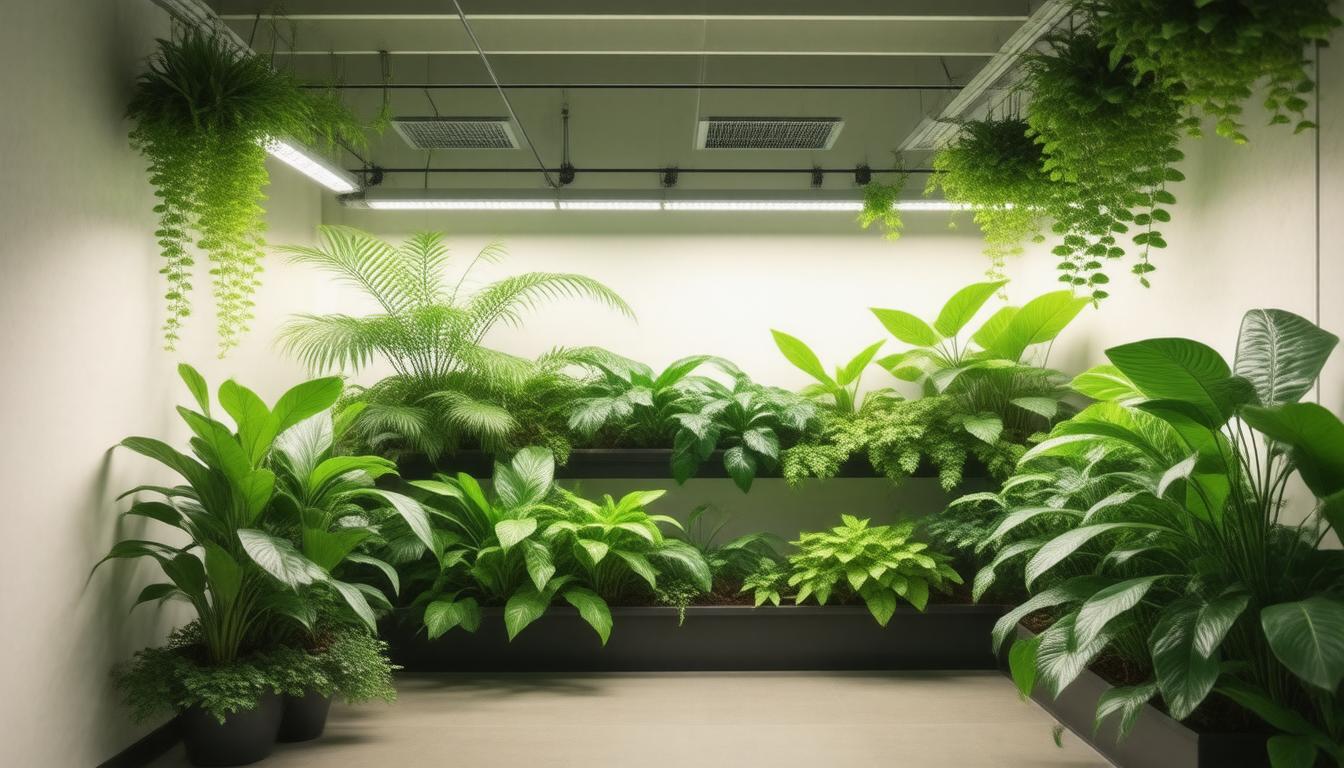
As indoor gardening continues to gain popularity in South Africa, many plant enthusiasts are turning to LED grow lights as an effective means to ensure their plants thrive even without natural sunlight. One of the pressing questions that often arises is, 'do LED grow lights need to be directly over plants?' This article delves into the intricacies of LED grow lights, exploring their function, the science of plant light absorption, optimal placement strategies, and common pitfalls to avoid. By understanding these aspects, you can maximize the benefits of LED grow lights and foster a healthy indoor garden.
Key Takeaways
- LED grow lights do not necessarily need to be positioned directly over plants for effective growth.
- Plant light absorption varies based on the light spectrum and distance from the source.
- Optimal LED placement can depend on the type of plants and their individual light requirements.
- Common mistakes include placing lights too high or too low, affecting light intensity.
- Adjustments in LED positioning should be based on plant growth stages and environmental factors.
Understanding LED Grow Lights and Their Function
When venturing into indoor gardening or hydroponics, a common question arises: do LED grow lights need to be directly over plants? Understanding the functioning of LED grow lights is crucial for ensuring the success of your plants’ growth. LED (Light Emitting Diode) lights provide a spectrum of light that caters to different phases of plant growth, including vegetative and flowering stages. Unlike traditional lighting, LED lights are energy-efficient and have a longer lifespan, making them an ideal choice for indoor gardeners. Positioning your LED grow lights correctly can significantly influence plant health. Ideally, these lights should be placed at an appropriate distance from the plants, which often means directly above them, however, this varies based on the intensity of the light and the type of plants you are growing. For instance, leafy greens may thrive with lights positioned slightly further away compared to flowering plants that require more intense light. Learning to adjust the height of your LED grow lights based on the growth phase is essential. Observing the plants for signs of stretching or burning can guide you in making the necessary adjustments. Moreover, LED lights produce less heat than other lighting options, allowing for closer placement without the risk of overheating. Investing in adjustable fixtures can also enhance the flexibility of your setup. In summary, to maximize the effectiveness of your grow lights, it’s imperative to understand their placement and the specific needs of your plants.
The Science Behind Plant Light Absorption
When it comes to indoor gardening, understanding the science behind plant light absorption is essential for optimizing growth. Plants rely on light to perform photosynthesis, but the type and positioning of light can significantly influence their health and yield. One common inquiry among indoor gardeners is whether LED grow lights need to be directly over plants. While the short answer is yes, there’s more to consider. LED grow lights are designed to emit the specific wavelengths of light that plants utilize most effectively. These wavelengths include red and blue light, crucial for different stages of plant growth. Positioning your grow lights directly over the plants ensures that they receive an even distribution of this essential light, promoting growth in both leafy greens and flowering plants. However, understanding the distance between the lights and the plants is just as important, as placing the lights too close can cause leaf burn. Additionally, the angle at which the light is positioned can affect how evenly plants receive illumination. Creeping shadows can inhibit growth, particularly in larger setups where plants may block each other from receiving adequate light. This is where LED technology truly shines, as these lights tend to produce a specific spectrum of light that mimics the sun, even when placed at an angle. In essence, for optimal efficiency in your indoor garden, yes, LED grow lights should ideally be positioned directly over the plants. This allows for maximum light absorption, ultimately yielding healthier plants and better harvests.
'The best fertilization is the light of heaven.' – Socrates
Recommended LED Placement for Optimal Growth
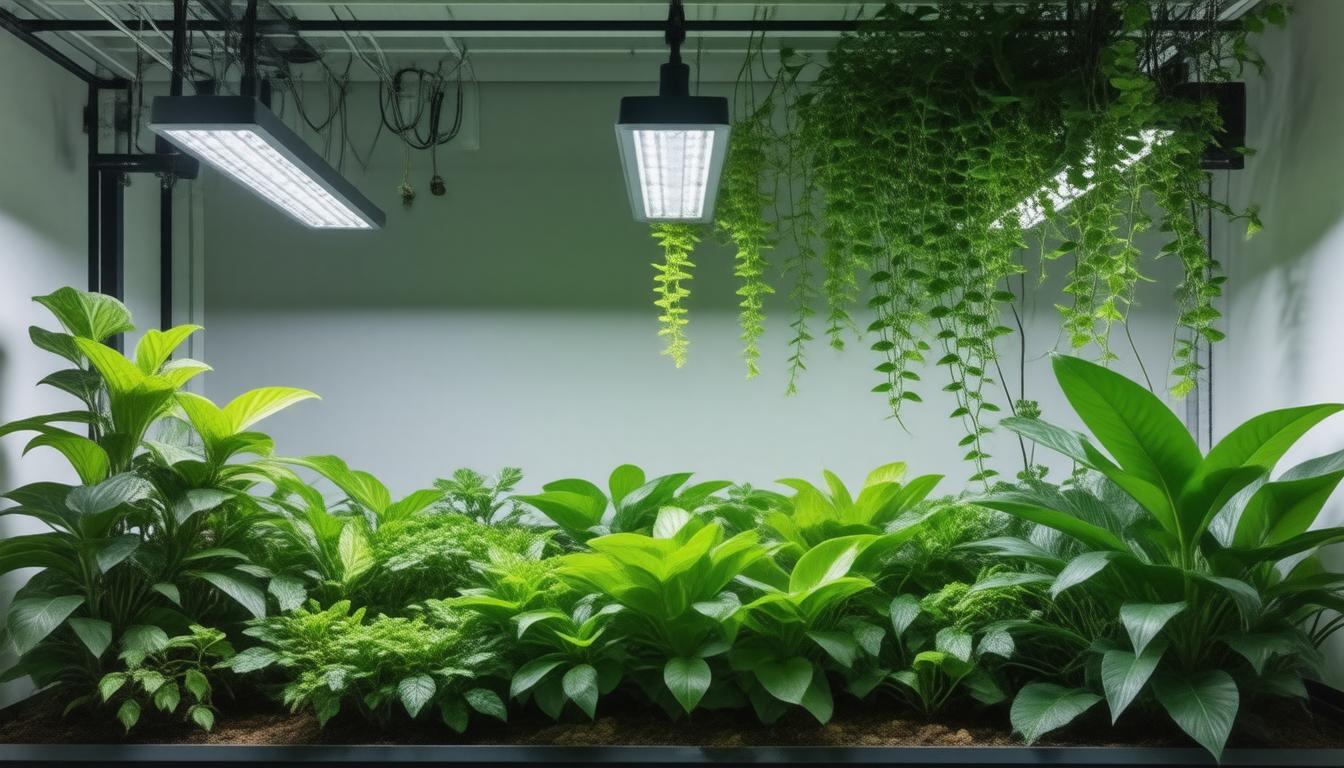
When it comes to indoor gardening, understanding the optimal placement of your grow lights is crucial for promoting healthy plant growth. One common question among plant enthusiasts is, 'Do LED grow lights need to be directly over plants?' The short answer is that while placing lights directly overhead can provide concentrated light necessary for growth, it isn’t the only configuration that works. In fact, the best placement can depend on the type of plants you are growing, their growth stage, and the specific LED grow light used. For instance, leafy greens may thrive with lights positioned slightly off to the side, providing a more diffuse light that can prevent scorching. In contrast, fruiting plants like tomatoes and peppers often benefit from lights placed directly overhead, allowing the plants to receive a balanced intensity throughout their growth cycles. Long tail keywords such as 'LED grow light distance for seedlings' or 'best height for LED grow lights' can help gardeners find specific guidelines tailored to their unique setups. Ultimately, experimenting with different placements, heights, and angles can lead to discovering what works best for your indoor garden. A general rule of thumb is to maintain a distance of 30-36 inches between the LED grow lights and the plants for optimal luminosity without overwhelming them. So while positioning LED grow lights directly over plants is common practice, don't shy away from exploring varied placements to achieve the best yield.
Factors Influencing Light Positioning
When cultivating plants indoors or in controlled environments, the placement of grow lights plays a pivotal role in their growth and development. A common question that arises among indoor gardeners is, 'do LED grow lights need to be directly over plants?' This inquiry is crucial as the positioning of the lights can significantly influence the plants' ability to photosynthesize effectively. Factors that determine the ideal light positioning include the type of plants being grown, their stage of growth, and the intensity of the LED lights used. For example, seedlings require less intense light and can be positioned slightly further away from the source, while mature plants generally thrive when lights are placed closer to maximize light absorption. Moreover, it’s essential to consider the angle of light as well as the distance from the plant canopy, since this affects the light distribution and ensures that all parts of the plant receive adequate light. Properly positioning your LED grow lights not only optimizes plant health but also enhances flowering and fruiting processes, ultimately leading to a successful harvest.
Common Mistakes in LED Light Placement
When it comes to optimizing your indoor garden, one of the most common mistakes growers make is in the placement of their LED grow lights. Many often wonder, 'do LED grow lights need to be directly over plants?' The answer to this question is critical for ensuring that your plants receive the appropriate amount of light for healthy growth. Ideally, LED grow lights should be positioned to provide even coverage over the plants, usually directly above when using full-spectrum lights. However, factors like the growth stage of the plants, the light's intensity, and the specific type of LED lights can influence optimal placement. For instance, during the seedling stage, it is advisable to keep the light higher to prevent light burn, while during flowering, lowering the lights can maximize bud production. Additionally, avoiding placing the lights too far away is equally crucial, as this can lead to insufficient light exposure. Understanding your plants’ needs and adjusting the height and angle of the LED grow lights accordingly can significantly enhance their growth potential. Long-tail keywords such as 'ideal distance for LED grow lights' and 'height placement for indoor plants lights' can guide you in making informed decisions about your grow light setup. Failing to consider these aspects may result in uneven growth and disappointing yields, so take time to evaluate your lighting strategy for the best results.
Conclusion: Best Practices for LED Grow Lights
In conclusion, understanding the placement of your lighting system is essential for optimal plant growth. Many growers often wonder, 'do LED grow lights need to be directly over plants?' While it is not strictly necessary for LED grow lights to be positioned directly overhead, placing them at an appropriate distance is crucial. This ensures that your plants receive sufficient light intensity without the risk of light burn. Best practices suggest positioning the lights in a way that minimizes shadows and provides even light distribution. Furthermore, it's vital to consider the specific needs of your plants, as different species may thrive at varying light angles and intensities. Regularly adjusting your lights in response to plant growth will also optimize their photosynthesis and overall health. Incorporating these tips into your gardening routine can enhance your yield, making the most of your indoor gardening setup.
Frequently Asked Questions
Do LED grow lights need to be directly over plants?
Not necessarily. While placing LED grow lights directly over plants can be beneficial for even light distribution, it is not the only effective positioning method. Lights can also be positioned slightly to the side or at an angle to achieve optimal growth depending on the specific needs of the plants.
What factors should I consider when positioning LED grow lights?
Factors include the type of plants being grown, the specific light spectrum required, the growth stage of the plants, the intensity of the LED lights, and the dimensions of your growing area.
What are common mistakes to avoid when placing LED grow lights?
Common mistakes include placing the lights too far away from the plants, not adjusting the height as plants grow, and neglecting to consider the light's spectrum for the specific needs of different plant stages.
How does light position affect plant growth?
Light position affects how well plants can photosynthesize, which is crucial for their growth. Proper positioning ensures that plants receive the right intensity and distribution of light, promoting healthier growth and improving yields.
Can LED grow lights be used for all types of plants?
Yes, LED grow lights can be used for a wide range of plants, but it is important to choose the right spectrum and intensity according to the specific light requirements of each plant species.


