


Picking the right ceiling fan for every room in your house can be a bit tricky. With so many designs, sizes, and features, it's easy to get overwhelmed. But don't worry, this guide is here to help you make sense of it all. From understanding the basic functions of a fan to matching it with your decor, we've got you covered. Let's dive into the world of ceiling fans and find the perfect fit for your home.
Key Takeaways
- Ceiling fans aren't just for cooling; they can also help with air circulation and add a touch of style to your rooms.
- Choosing the right size fan is crucial; small rooms need smaller fans, while big spaces require larger ones.
- There's a fan style for every decor, whether you prefer traditional, modern, or something in between.
- Installation matters; decide between flush mount or downrod based on your ceiling type.
- Don't forget additional features like lighting and remote controls for added convenience.
Understanding Ceiling Fan Functions
Cooling and Air Circulation
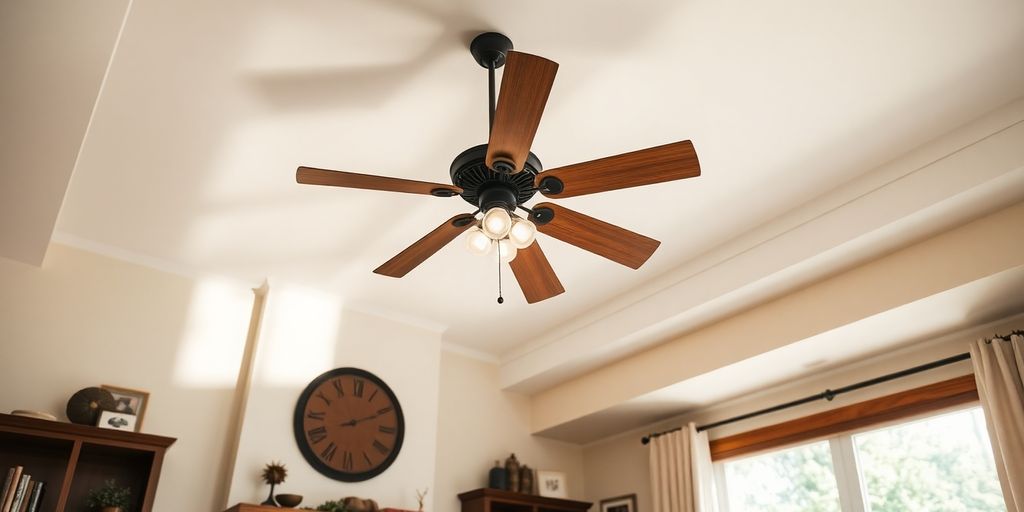
Ceiling fans are often the unsung heroes of home comfort. They do more than just spin around and look pretty. Their primary job is to keep the air moving, which helps cool you down. By circulating air, they create a wind-chill effect that makes you feel cooler without actually lowering the room's temperature. This means you can rely less on your air conditioner, saving energy and money. In winter, many fans can reverse direction to push warm air down from the ceiling, keeping your space cosy.
Aesthetic Considerations
While functionality is key, a ceiling fan can also be a statement piece in a room. With countless designs ranging from sleek and modern to rustic and vintage, there's a style to suit every taste. The fan's finish, blade material, and even the light kit can complement or contrast your existing decor. Whether you're looking for a fan that blends in or stands out, it's a chance to add a personal touch to your space.
Energy Efficiency
Ceiling fans are champions of energy efficiency. They use a fraction of the electricity compared to air conditioning units. Many modern fans come with energy-efficient motors and LED lighting options. Look for models with the Energy Star label, which ensures they meet strict guidelines for energy efficiency. For instance, the Caledon Flush Mount LED Ceiling Fan is a great choice for those wanting to save on energy bills while enjoying excellent air circulation and lighting in their home.
Choosing the right ceiling fan is not just about picking a nice design; it's about understanding how it will function in your home. From cooling to decor, and energy savings, a fan can be a versatile addition to any room.
Selecting the Right Size for Your Ceiling Fan
Small Rooms and Compact Fans
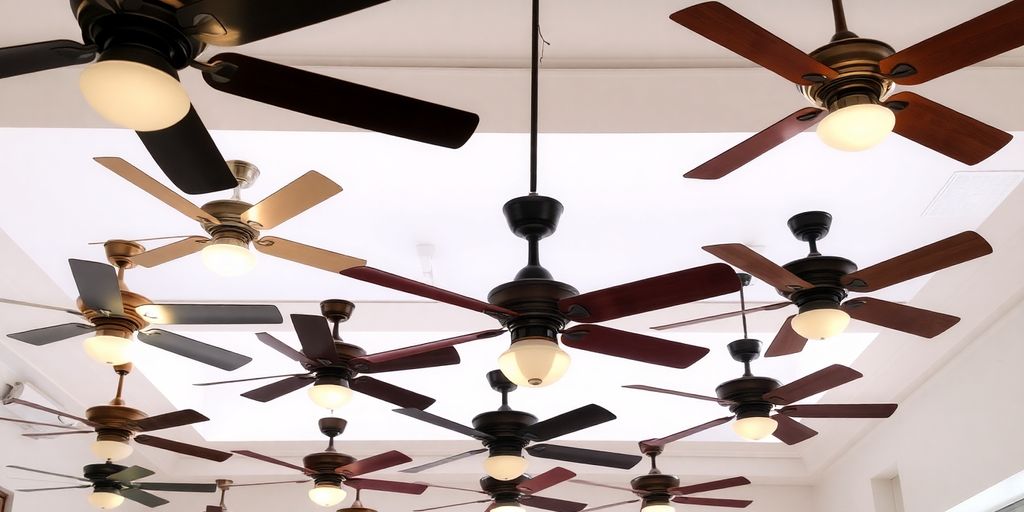
When it comes to tiny spaces like home offices or laundry rooms, you want a fan that doesn't overpower the room. Opt for a fan with a diameter between 30 to 48 inches. These compact fans are perfect for areas under 100 square feet. They circulate air efficiently without making the space feel cramped. Think about the Swirl 3 Blade Satin Chrome Ceiling Fan if you're after something stylish yet functional.
Medium Spaces and Standard Fans
For medium-sized rooms like bedrooms or kitchens, a fan with a diameter of 48 to 54 inches is usually spot on. These fans are great for spaces up to 400 square feet. They provide enough airflow to keep the room comfortable without being too much. If you're setting up a fan in a living room or dining area, this size is typically ideal.
Large Areas and Oversized Fans
Got a big space like a great room or an open-plan living area? You're going to need a fan that's 56 inches or larger. These oversized fans are designed for rooms over 400 square feet. They ensure that every corner of the room gets fresh air, making them perfect for those expansive, airy spaces. In some cases, installing multiple smaller fans can be more effective than a single large one, especially if the room is irregularly shaped or has multiple seating areas.
Choosing the right fan size isn't just about room dimensions; consider the room layout and where people spend most of their time. A fan that's too small won't cool effectively, while one that's too large might just be overkill.
Choosing Ceiling Fan Styles to Match Your Decor
Traditional and Classic Designs
Traditional ceiling fans are all about elegance and sophistication. These fans often feature intricate details like carved wood blades or ornate metalwork. They fit perfectly in rooms with classic furnishings or antique decor. If you have a vintage-styled living room or a dining room with rich wooden furniture, a traditional ceiling fan can complement the space beautifully. They bring a touch of timeless charm that never goes out of style.
Modern and Minimalist Options
For those who love clean lines and simplicity, modern ceiling fans are the way to go. These fans often have sleek finishes and neutral colours that blend seamlessly into contemporary spaces. Whether it’s a Scandinavian-inspired living room or a minimalist bedroom, modern fans like the Catalina Treble Gold Pendant Light can add a subtle yet stylish touch without overpowering the decor. Look for fans with three blades for a streamlined look.
Rustic and Vintage Inspirations
Rustic fans bring a bit of the outdoors inside. With finishes that mimic weathered wood or wrought iron, they fit right into homes that embrace a countryside or vintage aesthetic. Imagine a fan with distressed wooden blades in a cabin-style living room or a farmhouse kitchen. These fans often have a cosy, inviting feel, making them ideal for spaces where warmth and comfort are priorities.
Choosing the right ceiling fan style isn't just about function; it's about enhancing the overall aesthetic of your home. Whether you lean towards traditional, modern, or rustic, there's a fan out there that will perfectly match your decor and bring harmony to your living space.
Ceiling Fan Installation and Mounting Options
Flush Mount vs. Downrod Mount
When it comes to ceiling fan installation, choosing between a flush mount and a downrod mount is essential. Flush mounts are perfect for rooms with low ceilings, typically around eight feet high. These fans sit close to the ceiling, keeping the blades safely overhead. On the other hand, downrod mounts are ideal for rooms with ceilings around nine feet or higher. Using a downrod helps lower the fan to the optimal height, usually between eight to nine feet from the floor. This ensures efficient air circulation and safety.
Considerations for Sloped Ceilings
Sloped ceilings can be tricky, but with the right setup, you can still have a ceiling fan. You'll need a sloped ceiling adapter, which replaces the standard canopy that comes with most fans. This adapter allows the fan to hang straight, even on a slanted surface. For ceilings steeper than 34 degrees, make sure to get the proper adapter and downrod length. This way, you can enjoy the benefits of a ceiling fan without worrying about it being off-kilter.
Outdoor and Wet-Rated Fans
If you're looking to install a fan outside, you'll need one that's rated for outdoor use. Outdoor fans are designed to withstand damp conditions, making them suitable for covered patios or porches. For areas exposed directly to rain or moisture, opt for wet-rated fans. These fans are built to handle the elements, ensuring longevity and performance. Whether you're cooling a gazebo or a garden area, choosing the right fan ensures comfort and durability.
Enhancing Functionality with Ceiling Fan Features
Lighting Integration and Options
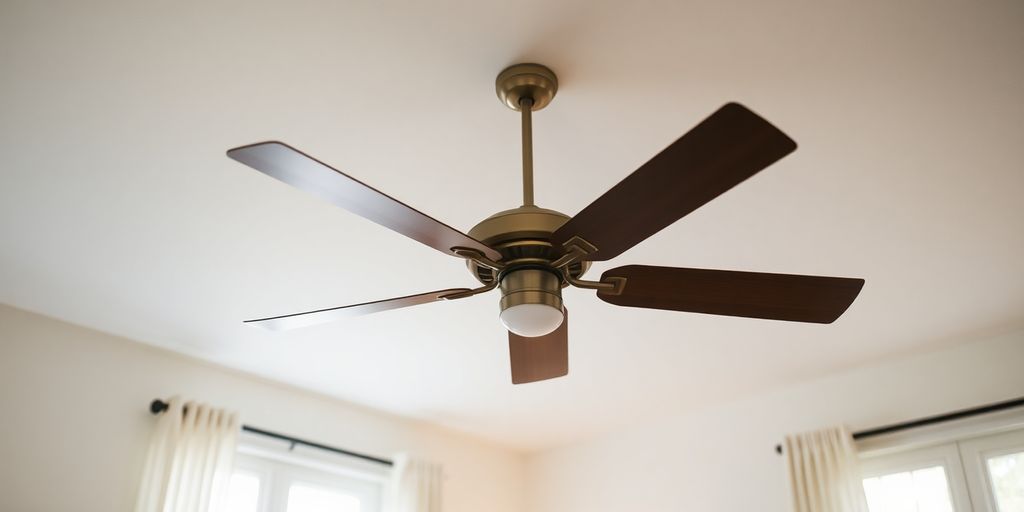
Adding lighting to your ceiling fan can be a game-changer for any room. Ceiling fans with integrated lights save space and add much-needed illumination. You can choose between integrated lighting or adding a light kit later. LED lights are a popular choice due to their energy efficiency and long lifespan. When selecting, consider whether dimmable options are important for setting the mood in your space.
Remote Control and Smart Features
Gone are the days of pulling chains to adjust your ceiling fan. Modern fans often come with remote controls, allowing you to change speeds and lighting from anywhere in the room. Smart fans take it a step further, integrating with home automation systems. You can control them via smartphone apps or voice commands, making it super convenient, especially if you're already in bed and forgot to turn off the fan.
Reversible Motor for Seasonal Use
A reversible motor is a feature that can make your fan useful all year round. In summer, set it to rotate counterclockwise to create a cooling breeze. During winter, switch it to clockwise to circulate warm air trapped near the ceiling, which can help reduce heating costs. This feature is particularly beneficial in rooms with high ceilings, where warm air rises and stays trapped above.
When choosing a ceiling fan, consider not just its style and size but also these additional features that can enhance its functionality and your comfort throughout the year. It's not just about keeping cool; it's about making your home more comfortable and efficient.
For more lighting solutions, you might explore the 60W LED Down Light for a modern touch in your bedroom.
Budgeting for Your Ceiling Fan Purchase
Affordable and Cost-Effective Choices
When you're shopping for ceiling fans, it’s easy to get overwhelmed by the choices out there. But if you're on a tight budget, there's no need to worry. Affordable fans don’t mean you have to compromise on style or efficiency. Many budget-friendly options offer solid performance and come in a variety of styles to match your home's decor. Look for models that focus on essential features without the extra frills. You can find fans that provide good airflow and energy efficiency without breaking the bank.
- Check out brands known for affordable options.
- Consider fans with basic features and a simple design.
- Look for sales or discontinued models for extra savings.
Mid-Range Options with Added Features
If you have a bit more to spend, mid-range ceiling fans offer a perfect balance between cost and functionality. These fans often come with extra features like remote controls, integrated lighting, or smart technology. They also tend to have better build quality and more design options, allowing you to find something that fits your space perfectly.
- Explore options with integrated lighting for dual functionality.
- Look for models with remote controls for added convenience.
- Consider energy-efficient models that can save on electricity bills.
Luxury Fans for Premium Spaces
For those willing to splurge, luxury ceiling fans can be a stunning addition to any room. These fans often feature high-end materials, unique designs, and advanced functionalities like smart home integration. Investing in a luxury fan can enhance the aesthetics of your room while providing superior performance.
- Choose fans made with premium materials like wood or metal.
- Look for unique designs that make a statement in your space.
- Consider smart fans that integrate with home automation systems.
When planning your budget, remember that a ceiling fan is not just a functional appliance but also a part of your home's decor. Whether you're going for a Swirl 3 Blade Satin Chrome Ceiling Fan that adds a touch of elegance or a basic model that gets the job done, there's a fan for every budget and style. Think about what features matter most to you and how much you're willing to spend to achieve the perfect balance of form and function.
Ceiling Fans for Specific Rooms in Your Home
Bedroom Fans for Comfort and Sleep
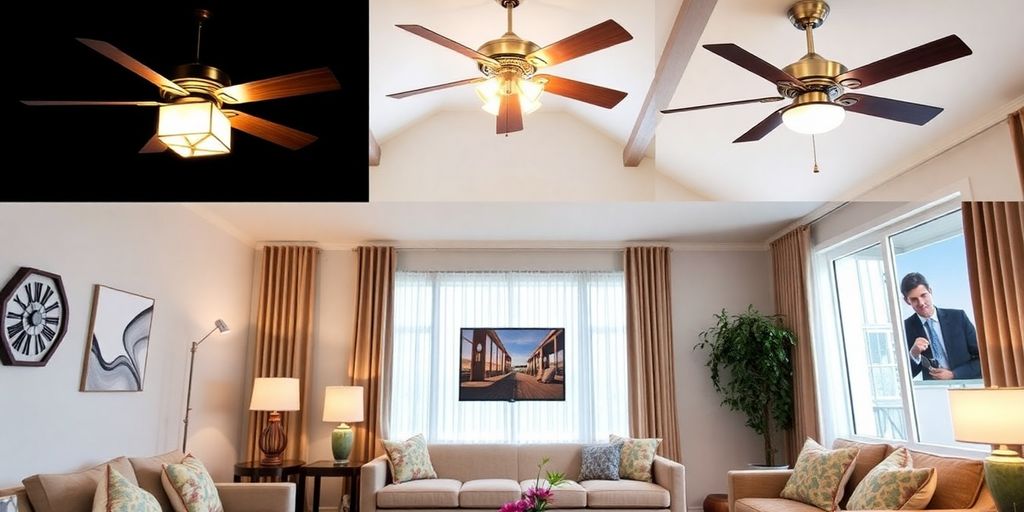
In the bedroom, a ceiling fan can be a real game-changer. A gentle breeze can make the difference between a restless night and a restful one. You want something quiet, with a reversible motor to keep the air fresh all year round. Look for fans with a sleep timer feature, so it doesn't run all night if you don't want it to. A fan with integrated lighting can also be a nice touch, giving you the option to adjust the mood with dimmable lights.
Living Room Fans for Style and Function
Living rooms are where style meets function. A ceiling fan here not only cools but also adds to the room's decor. Consider innovative ceiling lighting solutions to enhance your living room's style. Choose a fan that complements your furniture and wall colours. If you have a large living room, go for a fan with a high CFM rating to ensure it can handle the space. Some fans come with smart features, so you can control them with your phone or voice commands.
Outdoor Fans for Patios and Gardens
Outdoor fans are often overlooked, but they're fantastic for patios and gardens. They provide a nice breeze during summer barbecues and can even keep pesky insects away. Make sure you choose a fan that's rated for outdoor use. Wet-rated fans can handle direct rain, while damp-rated ones are better for covered areas. Outdoor fans are not just functional; they can also enhance your outdoor decor, creating a welcoming atmosphere for guests.
When choosing ceiling fans for different rooms in your home, it's important to consider the size and style that best fits each space. Whether it's a cosy bedroom or a lively living room, the right fan can enhance comfort and add a touch of style. Explore our wide range of ceiling fans to find the perfect match for your home. Visit our website today to discover more!
Wrapping It Up
So, there you have it. Picking the right ceiling fan for each room isn't rocket science, but it does take a bit of thought. Think about what you need—cooling, style, or maybe just a bit of both. Remember, the size of the fan should match the room, and don't forget to consider the ceiling height. Whether it's for your bedroom, living room, or even the porch, there's a fan out there that fits just right. Hopefully, this guide has made the whole process a bit less daunting. Now, go on, make your home comfy and stylish with the perfect ceiling fan!
Frequently Asked Questions
How do I pick the correct size ceiling fan for my room?
Measure your room. For small rooms up to 100 square feet, use fans 30 to 48 inches. Medium rooms up to 400 square feet need fans 48 to 54 inches. Large rooms over 400 square feet require fans 56 inches or more.
Can ceiling fans help with heating as well as cooling?
Yes, ceiling fans can help with heating. In winter, set the fan to rotate clockwise on a low speed to push warm air down from the ceiling.
What should I consider when choosing a ceiling fan style?
Think about your room's decor. Choose a fan style that matches, whether it's traditional, modern, or rustic. The fan should blend in with your room's look.
Are there ceiling fans suitable for outdoor use?
Yes, there are fans made for outdoor use. Look for fans labelled as 'outdoor' or 'wet-rated' to ensure they can handle moisture and weather.
Do ceiling fans use a lot of electricity?
Ceiling fans are energy efficient. They use less electricity than air conditioning units and can help reduce energy costs when used properly.
What are some features to look for in a ceiling fan?
Consider features like remote control, lighting options, and reversible motors. These add convenience and functionality to your fan.


