


When it comes to the question, "Can UV light cause cancer?", the answer is pretty clear – yes, it can. The sun and artificial sources like tanning beds emit ultraviolet (UV) rays that can harm your skin, eyes, and even your immune system. But there’s a lot of confusion and myths about how UV exposure works and what you can do to stay safe. This article dives into the science of UV radiation, its link to cancer, and practical steps to protect yourself.
Key Takeaways
- UV light, whether from the sun or tanning beds, has been proven to cause skin cancer by damaging DNA in skin cells.
- There are three types of UV rays – UVA, UVB, and UVC – but UVA and UVB are the ones that reach your skin and do the most harm.
- Using sunscreen, wearing protective clothing, and avoiding peak sun hours are simple yet effective ways to reduce your risk.
- Tanning beds are not a safe alternative to natural sunlight and significantly increase your chances of developing skin cancer.
- Skin cancer can affect anyone, but factors like age, skin type, and family history can influence your risk.
How UV Light Affects the Skin
The Science Behind UV Radiation
Ultraviolet (UV) radiation is a type of energy emitted by the sun and artificial sources like tanning beds. While you can’t see UV rays, your skin certainly feels their impact. UV radiation is divided into three categories: UVA, UVB, and UVC. Each type interacts with the skin differently, leading to a variety of effects. UVA rays have the longest wavelength and penetrate deeply into the skin, while UVB rays focus on the outer layers, causing sunburn. UVC rays, thankfully, are mostly absorbed by the earth’s ozone layer, sparing us from their intense energy.
Types of UV Rays: UVA, UVB, and UVC
- UVA Rays: These rays penetrate deep into the dermis and are primarily responsible for skin ageing, like wrinkles and sagging. Although they contribute less to sunburn, they can still damage DNA and play a role in skin cancer.
- UVB Rays: These rays target the epidermis, the skin’s outer layer. They’re the main culprit behind sunburn and are strongly linked to DNA damage that can lead to skin cancer.
- UVC Rays: While the most intense, UVC rays are generally harmless to us because they’re blocked by the ozone layer. However, artificial sources like UV sanitising lamps can emit UVC rays.
| Type of UV Ray | Depth of Penetration | Main Effects |
|---|---|---|
| UVA | Deep (dermis) | Skin ageing, DNA damage |
| UVB | Outer layer (epidermis) | Sunburn, DNA damage |
| UVC | Blocked by ozone | Rare, artificial exposure |
How UV Rays Damage Skin Cells
When UV rays hit your skin, they can alter the DNA in your cells. This damage accumulates over time, leading to mutations that may result in skin cancer. The body does try to repair some of this damage, but it can’t fix everything. Overexposure to UV rays also breaks down collagen and elastin, the proteins that keep skin firm and youthful. This is why prolonged exposure leads to signs of premature ageing, like wrinkles and dark spots.
Protecting your skin isn’t just about avoiding sunburn; it’s about reducing long-term damage that could lead to serious health issues. Even on cloudy days, UV rays can penetrate your skin and cause harm.
The Link Between UV Light and Skin Cancer
Understanding DNA Damage from UV Exposure
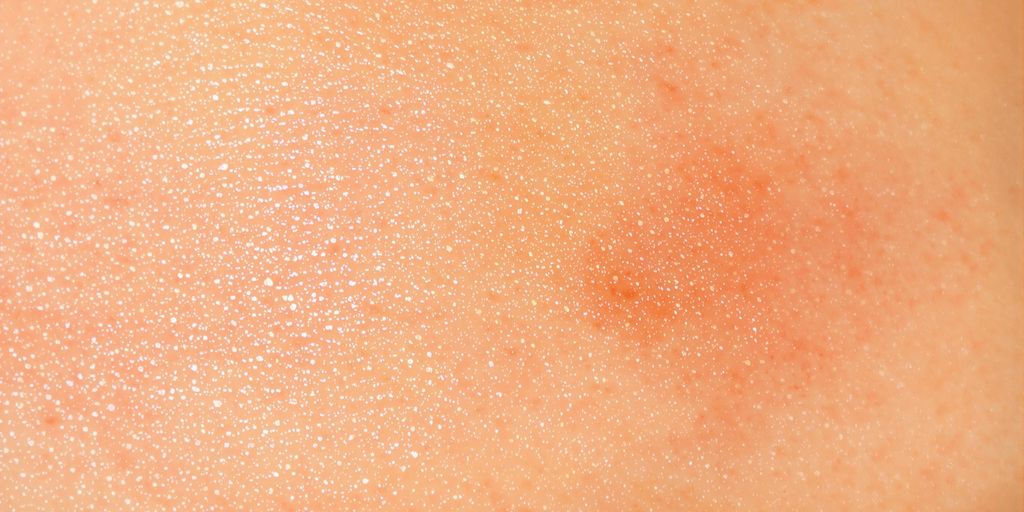
UV light, especially UVA and UVB rays, can cause direct harm to the DNA in skin cells. When the DNA is damaged, it can lead to mutations that prevent cells from functioning properly. Over time, these mutations may cause cells to grow uncontrollably, forming tumours. While the body has mechanisms to repair some of this damage, repeated exposure overwhelms these systems, allowing errors to accumulate.
- UVA rays penetrate deeper into the skin and are linked to ageing and indirect DNA damage.
- UVB rays are more energetic and primarily responsible for sunburns and direct DNA damage.
- Cumulative exposure increases the likelihood of mutations that may trigger skin cancer.
Types of Skin Cancer Caused by UV Light
UV exposure is a major risk factor for several types of skin cancer. Here's a breakdown:
| Type of Skin Cancer | Common Cause | Characteristics |
|---|---|---|
| Basal Cell Carcinoma | Long-term UV exposure | Slow-growing; often appears on face |
| Squamous Cell Carcinoma | Cumulative sun exposure | Can spread if untreated |
| Melanoma | Intense, intermittent UV exposure | Dangerous; can develop from moles |
Melanoma, while less common, is the most serious type, as it can spread to other parts of the body. Non-melanoma cancers like basal and squamous cell carcinomas are more frequent but typically less aggressive when caught early.
The Role of Tanning Beds in Skin Cancer Risk
Artificial sources of UV light, such as tanning beds, significantly increase skin cancer risks. Studies show:
- Using tanning beds before age 35 raises melanoma risk by 60%.
- Risks for basal and squamous cell carcinoma are higher when tanning starts before age 25.
- Indoor tanning delivers concentrated UV radiation, often more intense than natural sunlight.
Tanning beds are not a "safe" alternative to sunbathing. The UV exposure they provide is just as harmful, if not more so, than natural sunlight. Avoiding them altogether is one of the simplest ways to lower your risk of skin cancer.
Protecting your skin from UV radiation—whether from the sun or artificial sources—is critical in reducing the likelihood of developing skin cancer.
Health Risks Beyond Skin Cancer
Eye Damage from UV Radiation
UV rays don’t just harm your skin; they can wreak havoc on your eyes too. Prolonged exposure can lead to cataracts, which cloud the lens of the eye and blur vision. Another condition, pterygium, involves tissue growth on the white part of the eye, sometimes extending onto the cornea and affecting sight. Even short bursts of intense UV exposure can cause photokeratitis, a painful condition that’s essentially a sunburn for your eyes.
Premature Skin Ageing and Other Effects
Exposure to UV light speeds up the ageing process of your skin. You might notice wrinkles, leathery texture, or dark spots appearing earlier than expected. This is often referred to as photoaging and is a direct result of the sun’s rays breaking down collagen and elastin in the skin. Over time, this damage accumulates, making it harder for your skin to repair itself. Actinic keratosis, a rough, scaly patch on the skin, can also develop due to prolonged UV exposure and is considered a pre-cancerous condition.
Impact on the Immune System
Believe it or not, too much UV radiation can weaken your immune system. This makes it harder for your body to fend off infections and can even reduce the effectiveness of vaccines. For some people, conditions like herpes simplex can flare up after sun exposure because their immune defences are compromised. It’s a subtle but significant way UV rays can impact your overall health.
Protecting yourself from UV exposure isn’t just about avoiding skin cancer. It’s about preserving your vision, keeping your skin youthful, and maintaining a strong immune system.
Debunking Myths About UV Light and Cancer
Myth: Only Sunlight Causes Skin Cancer
It’s easy to think that the sun is the sole culprit when it comes to skin cancer, but that’s far from the truth. Tanning beds, for example, are a major source of UV radiation and can be just as harmful as direct sunlight, if not more. These devices emit concentrated UVA and UVB rays, which penetrate deep into the skin, causing DNA damage and increasing the risk of skin cancer. Occupational exposure to UV radiation, such as in welding or using certain industrial lamps, can also contribute to skin cancer risk. It’s not just about the sun—any UV source can be dangerous if precautions aren’t taken.
Myth: Higher SPF Sunscreens Offer Complete Protection
SPF numbers can be misleading. While SPF 30 blocks about 97% of UVB rays, SPF 50 only increases that slightly to 98%, and SPF 100 reaches 99%. The difference isn’t as dramatic as you might think. Plus, no sunscreen can block all UV rays. Many people apply too little sunscreen or fail to reapply it after swimming or sweating, leaving their skin vulnerable. To truly protect yourself, combine sunscreen with other measures like wearing hats, sunglasses, and protective clothing.
Myth: Skin Cancer Only Affects Older People
Skin cancer isn’t just a concern for the elderly. In fact, melanoma is one of the most common cancers in young adults aged 25-29 and the second most common in people aged 15-29. Early UV exposure, especially severe sunburns during childhood, significantly increases the risk of developing skin cancer later in life. Protecting your skin from a young age is crucial to lowering your lifetime risk.
Preventing UV-Related Health Issues

The Importance of Sunscreen and Protective Clothing
Sunscreen and protective clothing are your first line of defence against harmful UV rays. Broad-spectrum sunscreens, which shield against both UVA and UVB rays, are essential. Aim for a sunscreen with at least SPF 30, and don’t forget to reapply every two hours, especially after swimming or sweating.
Consider wearing long-sleeved shirts, wide-brimmed hats, and UV-blocking sunglasses. Fabrics with a tight weave or those specifically labelled as UV-protective offer the best coverage.
Avoiding Peak Sun Hours and Tanning Beds
The sun’s rays are most intense between 10 a.m. and 4 p.m. If you’re outside during these hours, seek shade or bring an umbrella. Indoor tanning beds are another source of UV radiation that can significantly increase your risk of skin cancer. Avoid them entirely to protect your skin.
Small changes, like staying out of direct sunlight during peak hours or skipping the tanning bed, can make a big difference in reducing your UV exposure.
Understanding the UV Index and Its Implications
The UV index is a helpful tool to gauge daily UV radiation levels. The scale ranges from 1 (low risk) to 11+ (extreme risk). On high-index days, take extra precautions: wear sunscreen, cover up, and limit outdoor activities. Knowing the UV index can guide your daily habits and help you plan safer outdoor activities.
The Role of Genetics and Other Factors
Family History and Skin Cancer Risk
If skin cancer runs in your family, you might be at a higher risk. Certain inherited genetic mutations can make your skin more prone to damage from UV exposure. For example, mutations in the CDKN2A gene have been linked to an increased risk of melanoma. It's not just about family members having skin cancer, though—pay attention to any history of unusual moles or other skin conditions.
Skin Type and Susceptibility to UV Damage
Your skin type plays a big role in how vulnerable you are to UV rays. Dermatologists often use the Fitzpatrick scale to classify skin types, ranging from Type I (very fair, always burns, never tans) to Type VI (deeply pigmented, never burns). Fairer skin types have less melanin, which provides some natural protection against UV damage, making them more susceptible to sunburns and skin cancer.
| Skin Type | Characteristics | UV Risk Level |
|---|---|---|
| Type I | Very fair, always burns, never tans | Very High |
| Type II | Fair, usually burns, tans minimally | High |
| Type III | Medium, sometimes burns, tans uniformly | Moderate |
| Type IV | Olive, rarely burns, tans easily | Low |
| Type V | Brown, very rarely burns, tans darkly | Very Low |
| Type VI | Dark brown or black, never burns | Minimal |
The Influence of Age and Immune Health
Ageing and immune health also factor into your risk. Older adults have accumulated more UV exposure over their lifetime, which can increase the likelihood of skin cancer. Additionally, a weakened immune system—whether due to illness, medication, or other factors—can make it harder for your body to repair UV-induced DNA damage. This means people with compromised immune systems need to be particularly cautious about sun exposure.
Protecting yourself from UV rays is not just about sunscreen—it's about understanding your personal risk factors, like genetics, skin type, and overall health. By knowing these, you can take smarter steps to stay safe.
The Global Perspective on UV Exposure
UV Radiation and Skin Cancer Statistics Worldwide
Skin cancer is a global health concern, with rates varying significantly by region. For instance, Australia and New Zealand report some of the highest skin cancer rates due to their proximity to the ozone hole and outdoor lifestyles. In contrast, countries closer to the equator, like Brazil, see high UV exposure but often lower reported skin cancer rates due to darker skin tones offering more natural protection. However, no region is exempt from the risks of UV radiation.
| Region | Skin Cancer Rates (per 100,000) | Key Factors |
|---|---|---|
| Australia & NZ | 33-36 | High UV index, outdoor lifestyles |
| Northern Europe | 10-15 | Fair skin, intermittent exposure |
| Africa | 1-3 | Darker skin tones, less reporting |
| South America | 5-8 | High UV but more natural melanin |
Cultural Practises and Sun Exposure
Cultural habits play a huge role in UV exposure. In many Western countries, tanning is often associated with beauty, leading to risky behaviours like sunbathing and using tanning beds. On the flip side, some Asian cultures value lighter skin, promoting the use of umbrellas and long clothing to avoid the sun. These cultural differences directly impact skin cancer rates and public awareness.
- Western countries: High prevalence of tanning beds and sunbathing.
- Asian countries: Protective clothing and skin-lightening practises.
- Tropical regions: Year-round sun exposure but often better natural skin protection.
The global fight against UV-related health issues is as much about education as it is about prevention.
Regulations on Tanning Devices and Public Awareness
Governments worldwide are stepping up regulations on tanning devices. For example, the European Union mandates strict labelling on tanning beds, while countries like Brazil have outright banned their commercial use. Public awareness campaigns, such as Australia’s "Slip, Slop, Slap," have proven effective in reducing risky behaviours.
- Mandatory warnings: Many countries require tanning beds to display health risks.
- Age restrictions: Some nations ban minors from using tanning devices.
- Awareness campaigns: Focused on sunscreen use and avoiding peak sun hours.
For those looking for safer lighting solutions, consider exploring LED lighting solutions, which provide efficient and UV-free illumination for homes and businesses.
When we look at UV exposure around the world, it’s clear that it affects everyone differently. Some places get a lot of sunlight, which can lead to more skin problems, while others have less sun and fewer issues. It’s important to understand how UV rays can impact our health, no matter where we live. To learn more about how to protect yourself from UV rays and find the best lighting solutions for your home, visit our website today!
Conclusion
UV light, whether from the sun or artificial sources like tanning beds, undeniably poses risks to our skin and overall health. While it’s true that UV exposure is a leading cause of skin cancer, it’s also something we can actively manage. By taking simple precautions—like using sunscreen, wearing protective clothing, and avoiding tanning beds—we can enjoy the outdoors without putting ourselves in harm’s way. Remember, it’s not about avoiding the sun entirely, but about being smart and mindful of how we protect our skin. Small changes in your daily habits can make a big difference in reducing your risk.
Frequently Asked Questions
What is UV radiation, and why is it harmful?
UV radiation is a type of energy from the sun and artificial sources like tanning beds. It can harm your skin by damaging its DNA, leading to skin cancer and other health issues.
Can tanning beds really cause cancer?
Yes, tanning beds emit UV radiation, which can increase the risk of skin cancer, including melanoma. The risk is higher for younger users and frequent tanners.
Does sunscreen completely protect against UV damage?
No, sunscreen reduces the risk but doesn’t offer complete protection. It’s best to use it along with other measures like wearing protective clothing and avoiding peak sun hours.
Is skin cancer only a concern for older people?
No, skin cancer can affect people of all ages. Melanoma is especially common in young adults aged 25-29 and even teenagers.
How can I protect myself from UV radiation?
You can protect yourself by wearing sunscreen, using protective clothing, staying in the shade during peak hours, and avoiding tanning beds.
Are there other health risks from UV exposure besides skin cancer?
Yes, UV exposure can cause eye damage, premature skin ageing, and may weaken your immune system.


