


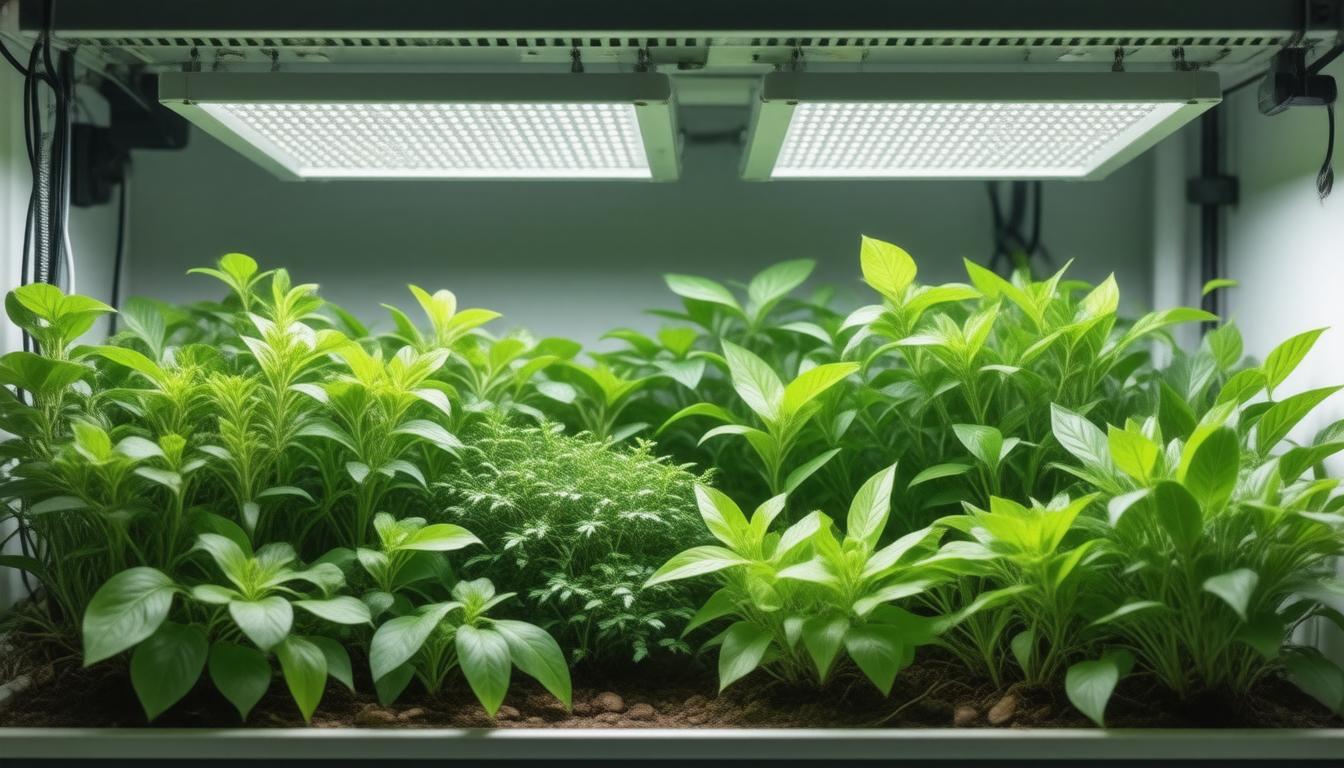
LED lights have become the go-to solution for indoor gardening and hydroponics, revolutionizing how we grow plants. As their popularity soars, so do questions about the optimal usage of these lights. One common query is, 'can plants get too much LED light?' This topic is crucial for both novice and seasoned gardeners, as the right balance is essential for promoting healthy growth and avoiding damage. In this article, we will explore the impact of LED lights on plants, their benefits, signs of overexposure, and tips for achieving the perfect light balance for your green companions.
Key Takeaways
- LED lighting offers numerous benefits for plant growth, including energy efficiency and customizable light spectrums.
- While LED lights are beneficial, excessive exposure can lead to signs of stress in plants, such as leaf burn and stunted growth.
- Understanding the specific light spectrum and duration requirements of your plants is crucial for optimal health.
- Monitoring signs of overexposure helps prevent damage and ensures that plants receive the right amount of light.
- Finding the right balance of LED lighting involves adjusting intensity, distance, and duration based on plant species and growth stages.
1. Introduction to LED Lighting in Plant Growth
LED lighting has revolutionized the way we approach plant growth, offering a range of benefits that traditional lighting methods often cannot match. These energy-efficient bulbs emit light at specific wavelengths that can significantly enhance photosynthesis, leading to healthier and faster-growing plants. However, a common concern among gardeners and growers alike is: can plants get too much LED light? Understanding the balance of light exposure is crucial for optimal plant health. When plants receive too much intensity or the wrong spectrum of light, they may experience stress, leading to issues like leaf burn or stunted growth. This article explores the ideal conditions for LED lighting, including how to determine the right duration and intensity based on the variety of plants you are growing. By delving into the intricacies of photosynthetic responses and the effects of light on plant development, we aim to equip South African growers with the knowledge they need to maximize their horticultural success. Armed with the latest insights, you can ensure your plants receive just the right amount of light for robust growth and spectacular blooms.
2. The Benefits of Using LED Lights for Plants
When it comes to indoor gardening, many enthusiasts often ponder the question: can plants get too much LED light? While LED lights are celebrated for their energy efficiency and ability to promote plant growth, understanding their impact on your plants is crucial for successful cultivation. One of the primary benefits of using LED lights is their adjustable spectrum, which allows you to cater to the specific needs of various plants. Unlike traditional lighting, LED grow lights can emit wavelengths that optimize photosynthesis, leading to healthier plants and potentially higher yields. Moreover, LEDs run cooler than other types of grow lights, reducing the risk of overheating that can damage delicate foliage. This cooler operational temperature means you can place lights closer to plants without jeopardizing their health. It’s essential, however, to monitor your plants closely to determine how they respond to light exposure. For some species, prolonged exposure to powerful LED lights can lead to light burn or stress, which might hinder their growth instead of enhancing it. Understanding the right duration and intensity of light is vital, especially for novice growers. Setting a timer that provides around 12-16 hours of light can help mimic natural daylight, promoting photosynthesis while preventing the potential downside of excessive light. In summary, while LED lights offer numerous advantages to plant care, being mindful of how much light plants receive will ensure a thriving garden.
'Nature does not hurry, yet everything is accomplished.' - Lao Tzu
3. Signs of Overexposure to LED Light in Plants
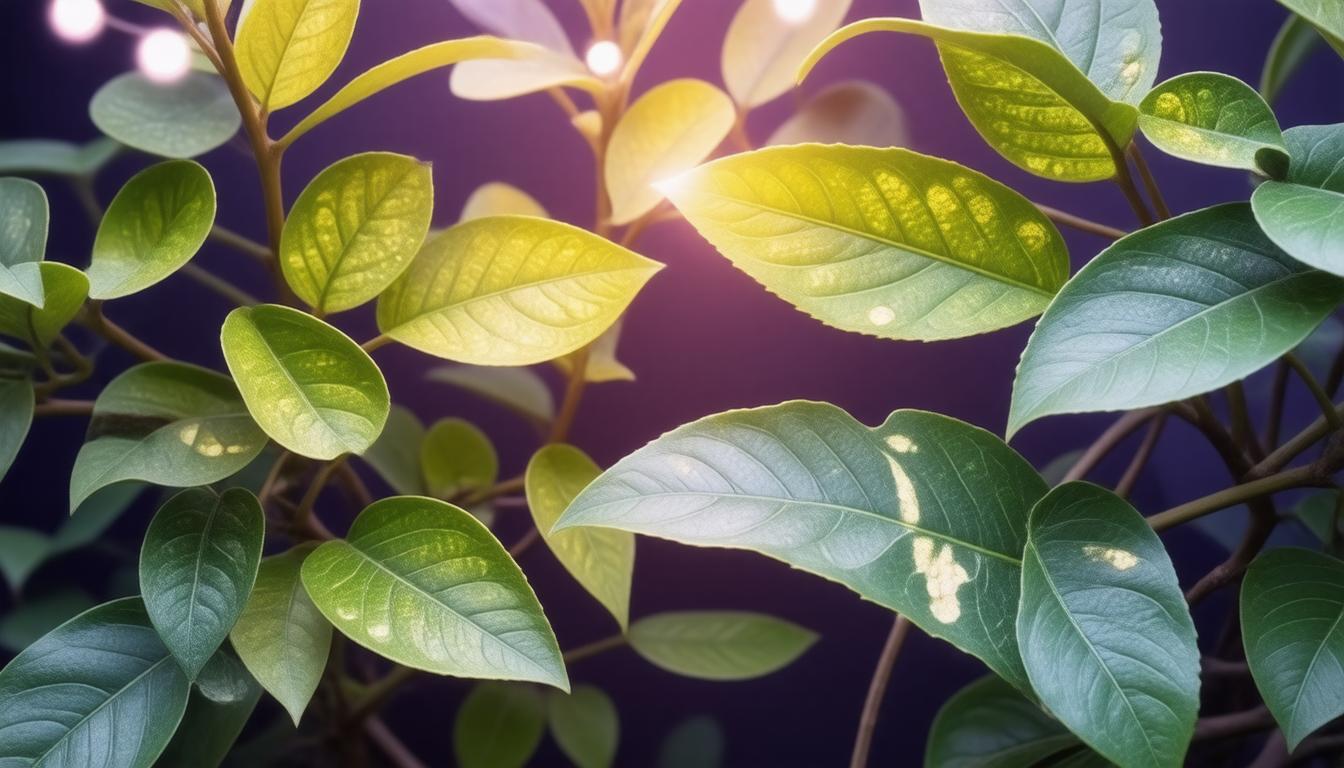
As indoor gardening becomes increasingly popular among South African plant enthusiasts, understanding plant care is essential, especially regarding lighting. A common concern is, 'can plants get too much LED light?' While LED grow lights are efficient and effective for promoting healthy growth in plants, overexposure can lead to several signs that indicate your plants are receiving too much light. Observing your plants closely is key to detecting these signs early to prevent damage. One of the first indicators of excessive LED light exposure is leaf burn, which often presents as brown, crispy tips or edges on the foliage. This occurs when the light intensity surpasses the plant's capacity to absorb it, leading to cellular damage. Additionally, leaf bleaching is another sign, where the greens fade away, and the leaves appear pale or yellowish, indicating stress from too much light energy. Moreover, plants may exhibit stunted growth despite the resource-rich environment; this paradoxical situation occurs when plants receive an overload of light but cannot utilize it effectively, leading to a decrease in overall vitality. Monitoring the conditions of your indoor garden, including light levels, is essential to maintaining a harmonious growth environment for your plants. Recognizing these symptoms early can help you adjust the intensity or duration of your LED lights, ensuring your plants thrive in optimal conditions.
4. Understanding Plant Light Requirements: Spectrum and Duration
When it comes to indoor gardening, understanding plant light requirements is crucial for promoting healthy growth and optimizing yields. One of the most common questions among gardening enthusiasts is: 'can plants get too much LED light?' The answer lies in the spectrum and duration of light exposure. Plants need different wavelengths of light to carry out photosynthesis effectively. Blue light promotes leafy growth, while red light is vital for flowering and fruiting. A balanced spectrum is important, and while LED lights can be highly efficient, overexposure can be detrimental. When utilizing LED lights for your indoor garden, it’s essential to consider both the intensity and the duration of light exposure. Excessive light can lead to light stress, characterized by signs like leaf burn, wilting, or stunted growth. To prevent these issues, it's advisable to learn about the recommended duration of light exposure for your specific plant species, as well as the brightness levels that best suit their needs. Typically, many plants thrive on about 12-16 hours of light per day, depending on their growth stage. Additionally, observing the plants closely can provide insights into how they react to the lighting conditions you've set. Remember that adjustments may be necessary based on seasonal changes and individual plant needs. By mastering the art of lighting in your indoor garden, you can enhance plant health and productivity while ensuring that they receive the optimal amount of light—not too little, and importantly, not too much.
5. Tips for Finding the Right Balance of LED Light
When it comes to indoor gardening or greenhouse cultivation, one of the most common questions is, 'can plants get too much LED light?' This question is essential for any gardener seeking to optimize their plants' growth and health. While LED lights are known for their efficiency and tailored spectrum, ensuring that plants receive the right balance is crucial. Here are some practical tips for finding that perfect balance. Firstly, consider the type of plant you are growing; different species have varying light requirements. For instance, succulents and cacti thrive in bright light, while leafy greens prefer a bit less. Secondly, monitor the duration of light exposure. Most plants typically require 12-16 hours of light per day, but too much exposure can lead to light burn. Thirdly, maintain an adequate distance between the LED light and the plant canopy; generally, 12-24 inches is a good range, depending on the wattage of your light. Additionally, pay attention to the color spectrum; different growth stages may require adjustments in light color. Finally, observe your plants for signs of distress, such as yellowing leaves or stunted growth, which could indicate they are receiving excessive light. Balancing LED lighting not only enhances growth but also ensures that your plants thrive under the right conditions.
6. Conclusion: Achieving Optimal Growth with LED Lighting
In conclusion, while LED lighting is an innovative solution for indoor gardening, it is essential to understand that the question of whether can plants get too much LED light is crucial for achieving optimal growth. Overexposure to intense LED lights can lead to light stress, which manifests as leaf burn and stunted growth. Therefore, it is vital to select the appropriate spectrum and maintain an optimal distance between the light source and the plants. Furthermore, monitoring your plants' response to the lighting conditions regularly will provide insights into their needs, ensuring that they don't receive excessive light required for successful photosynthesis. This careful balance is key to maximizing growth potential, promoting lush foliage, and ultimately enhancing your indoor garden or greenhouse setup.
Frequently Asked Questions
Can plants get too much LED light?
Yes, plants can get too much LED light, which can lead to symptoms of overexposure such as leaf burn, bleaching, and stunted growth.
What are the signs that a plant is getting too much LED light?
Signs of overexposure to LED light include yellowing or browning of leaf edges, leaf curl, and overall wilting or drooping.
How can I determine the right light spectrum for my plants?
Different plants have varying light spectrum needs; generally, plants require a mix of red and blue wavelengths, with many thriving under full-spectrum LED lights that mimic natural sunlight.
What factors should I consider when determining how long to keep LED lights on?
Factors include the specific needs of the plant species, its growth stage, and the intensity of the light source, generally requiring around 12-16 hours of light per day for optimal growth.
What are some tips to avoid overexposing plants to LED light?
To avoid overexposure, gradually acclimate plants to LED lighting, maintain appropriate distances between the light source and the plants, and monitor them regularly for any signs of distress.


