


Whether you're growing herbs on the kitchen counter or running a full indoor greenhouse, lighting is one of the most important factors for healthy plant growth. With LED lighting becoming increasingly common, many people ask — can you just use any LED light for plants?
The short answer: not all LEDs are created equal when it comes to plant care. In this blog post, we’ll break down the science behind plant-friendly light, explain why spectrum matters, and guide you in choosing the right LED grow light for your green setup.
Key Takeaways
- Not all LED lights provide the spectrum plants need
- Grow lights emit specific wavelengths for optimal growth
- Full-spectrum LEDs mimic sunlight for better results
- Match intensity, coverage, and heat dissipation to your space
- Quality grow lights = healthier, faster-growing plants
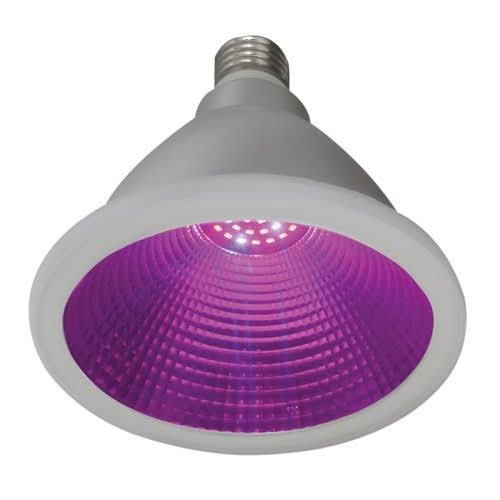
Understanding Plant Light Requirements
Plants don’t just need any light — they need specific wavelengths that support photosynthesis. This range is known as Photosynthetically Active Radiation (PAR), spanning from 400 to 700 nanometres (nm). Blue light (400–500nm) promotes leafy growth, while red light (600–700nm) supports flowering and fruiting.
Full-spectrum grow lights aim to mimic natural sunlight by including both PAR and other helpful wavelengths like UV and IR. These are ideal for indoor plant growth from seed to harvest.
Why Regular LEDs Don’t Cut It
Standard household LEDs are designed for human vision, not plant health. While they might light up a room beautifully, they often lack the specific red and blue peaks needed for optimal plant development. That’s why proper LED grow lights exist — and why they perform far better than general lighting options in indoor gardens.
What Makes a Good LED Grow Light?
- Light Spectrum: Ensure it includes red and blue wavelengths within the PAR range. Full-spectrum models are ideal.
- Intensity: Look for µmol/m²/s ratings suitable for your plants. Leafy greens and fruiting plants have different needs.
- Coverage Area: Match the beam spread to your garden size to avoid light loss or underlit areas.
- Heat Management: Choose lights with built-in fans or quality heat sinks. Excess heat harms plants and reduces efficiency.
- Energy Efficiency: LEDs are far more efficient than older technologies — but better quality LEDs use power even more wisely.
Do You Need a Grow Light for Every Plant?
If you’re growing a few herbs on the windowsill — maybe not. But if you’re trying to grow tomatoes indoors or get your succulents thriving through winter, a proper grow light can make all the difference.
For lush, productive plants, you need more than just light — you need the right kind of light.
Ready to start your indoor growing journey the right way? Our full range of LED grow lights includes compact desk units, modular panels, and full-spectrum options suited for everything from microgreens to monstera plants.
Frequently Asked Questions
Q1: Can I use a regular LED bulb as a grow light?
No — standard LEDs don’t emit the full spectrum or intensity required for healthy plant growth. Plants need specific red and blue light found in grow lights.
Q2: What’s the best grow light colour for plants?
Blue light (400–500nm) encourages leaf and stem growth. Red light (600–700nm) supports flowering and fruiting. Full-spectrum lights combine both for balanced growth.
Q3: Are LED grow lights safe for indoor use?
Yes. Quality LED grow lights are safe, cool-running, and designed for enclosed spaces. Just ensure proper ventilation and avoid looking directly at intense LEDs.
Q4: How many hours a day should I run my grow light?
Most plants do best with 12–16 hours of light per day. Use a timer for consistency and monitor for signs of too much or too little exposure.
Q5: Do grow lights use a lot of electricity?
Not at all. LED grow lights are highly energy-efficient and cost far less to run than older fluorescent or HID setups.


