


Accent lighting is not just about illumination; it's an essential element in defining the mood and style of your home. It highlights key features, adds depth to your design, and transforms any space into a stunning visual experience. In this article, we will explore the basics of accent lighting and delve into creative ideas that will help you elevate your interiors. Whether you’re looking to illuminate artwork, create cozy reading nooks, or simply enhance the ambiance of your room, you'll find valuable insights on how to master the art of accent lighting. Let’s shed some light on this fascinating topic!
Shop All LED Strip Lights Here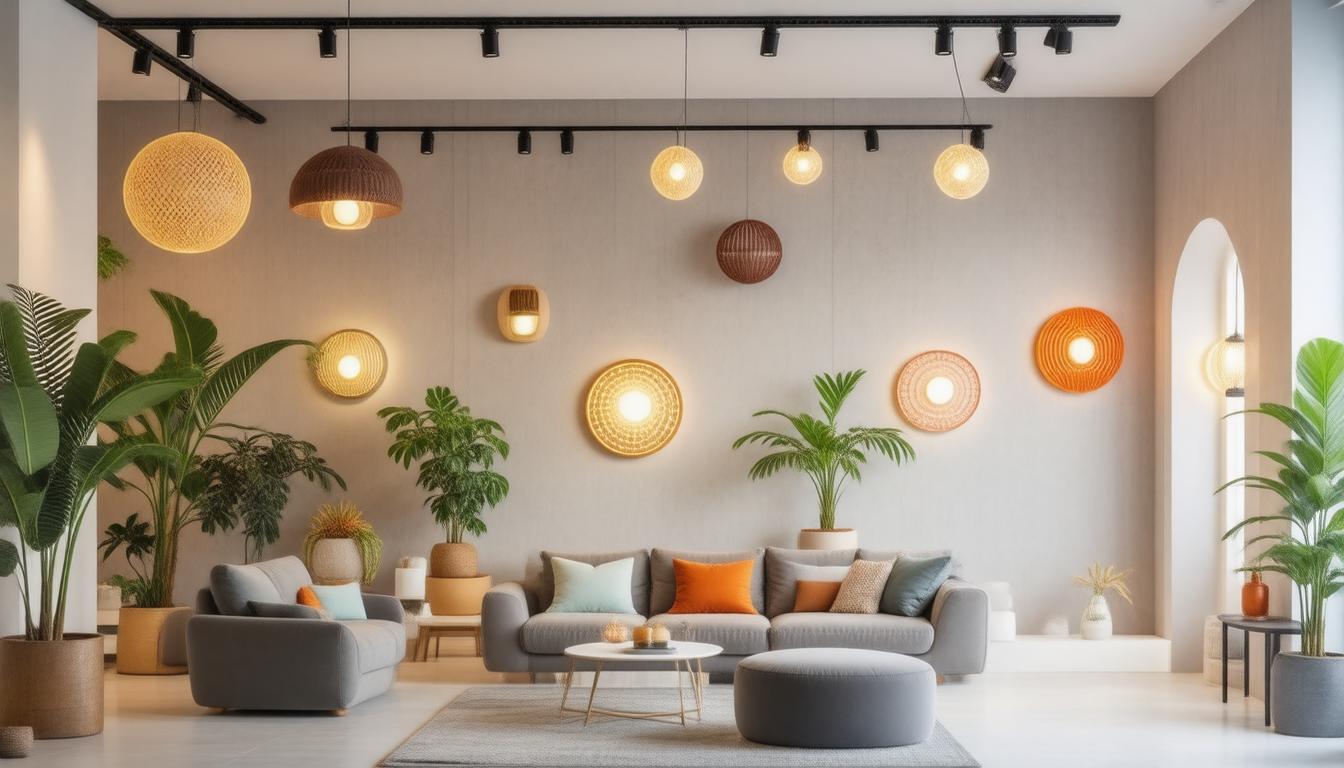
Key Takeaways
- Accent lighting enhances the visual appeal of a space by highlighting key features.
- There are various types of accent lighting fixtures, including sconces, spotlights, and LED strips.
- Creative placement of accent lighting can draw attention to artwork or architectural elements.
- Combining accent lighting with ambient and task lighting creates a balanced and inviting environment.
- Incorporating different colors and temperatures in accent lighting can set the mood and enhance the aesthetics of your space.
1. Understanding Accent Lighting Basics
Accent lighting plays a crucial role in enhancing the overall ambiance and style of any space. By definition, accent lighting is used to highlight specific areas or objects within a room, creating focal points that draw attention and add depth. Understanding the basics of accent lighting is essential for anyone looking to revamp their home or office environment. This type of lighting is not meant to illuminate an entire space but rather to spotlight architectural features, artwork, or landscaping elements. When positioned strategically, accent lighting can transform an area, producing dramatic effects that evoke emotion and interest. Popular sources of accent lighting include track lights, wall sconces, and recessed fixtures, which can be used in various locations, such as living rooms, hallways, and outdoor spaces. By effectively utilizing accent lighting techniques, homeowners in South Africa can create inviting and stylish interiors, making them feel more personalized and cohesive.
2. Types of Accent Lighting Fixtures
Accent lighting is an essential element in interior design, serving not just to illuminate spaces but to enhance the mood and highlight architectural features and artwork. Understanding the various types of accent lighting fixtures can help you create a more dynamic and visually appealing environment in your South African home. The first category widely used is recessed lighting, which is embedded in the ceiling, providing a clean look while directing light at key features. Ideal for showcasing paintings or sculptures, it allows for effective layering of light in living areas. Another popular option is track lighting. This versatile choice consists of multiple fixtures on a track, making it easy to adjust the direction of light, providing flexibility to illuminate different areas or items as needed. It’s an excellent choice for galleries or spaces where changing focal points is desired. Additionally, wall sconces offer a more decorative means of providing accent lighting, often used to frame mirrors or highlight artwork. These fixtures not only serve a practical purpose but can also enhance the aesthetic appeal of the room. Finally, consider table and floor lamps as portable accent lighting solutions that can change the ambiance of a room. With numerous styles and designs available, they can cater to any interior decor. Incorporating various accent lighting types can drastically transform a dull space into an attractive and inviting environment, enhancing the overall experience of your home.
'Lighting is the first step in seeing the beauty of your space. It draws the eye to the details that make your home unique.'
3. Creative Placement Ideas for Maximum Impact
Accent lighting plays a crucial role in enhancing the aesthetic appeal and functionality of any space, especially in a South African context where style meets practicality. To make the most of your interior design, consider these creative placement ideas for maximum impact. First, highlight architectural features such as beams, columns, or alcoves by positioning accent lights to shine directly on them. This not only draws the eye but also creates a sense of depth and dimension in your room. Second, use accent lighting to illuminate art pieces or decorative items; strategically placing lights above or beside them can transform a simple display into a captivating focal point. Third, consider using directional spotlights to cast soft glows in darker corners, adding warmth and inviting ambiance to larger spaces. Additionally, incorporating accent lighting near mirrors can enhance natural light and make your spaces feel more expansive. These techniques can elevate your interior design while ensuring functional benefits, leaving your guests impressed and your spirit uplifted.
Shop All LED Strip Lights Here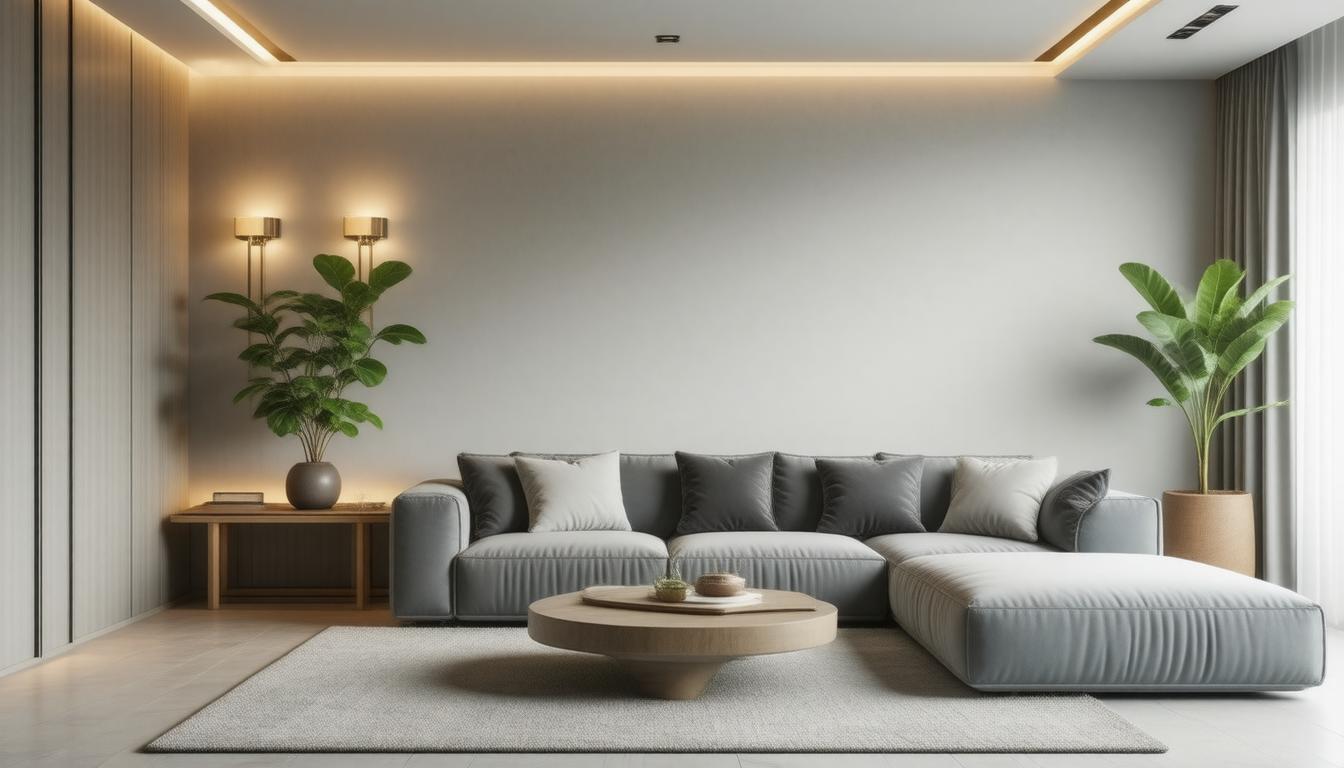
4. Combining Accent Lighting with Other Light Sources
Accent lighting plays a crucial role in home décor, enhancing the visual appeal of a space by focusing light on specific areas or objects. When combined with other light sources, such as ambient or task lighting, it can create a harmonious balance that not only illuminates but also accentuates architectural features, artwork, or distinct furniture pieces. For instance, when accent lighting is strategically positioned to highlight a beautiful painting or a unique sculpture, it draws the eye and creates a focal point that enhances the room's aesthetic. Moreover, consider the warm glow of pendant lights or chandeliers complemented by wall-mounted spotlights that can set a mood while providing necessary functionality. This layering of light not only adds depth to the overall design but also allows for versatility—adjusting brightness and warmth according to different times of day or activities. In a country like South Africa, where outdoor living is enjoyed year-round, incorporating accent lighting in garden design can transform outdoor spaces too. By carefully combining accent lighting with ambient sources, you can create an inviting atmosphere that caters to both relaxation and entertaining.
5. Using Color and Color Temperature in Accent Lighting
Accent lighting plays a crucial role in enhancing the aesthetic appeal of a space, and one of its most effective elements is color. By incorporating varying hues and color temperatures, you can create the desired ambiance while drawing attention to specific architectural features or decorative elements. When choosing colors for your accent lighting, consider warmer tones like soft yellows and rich ambers, which can create a cozy and inviting atmosphere, perfect for living rooms or dining areas. Conversely, cooler tones such as blues and greens can induce tranquility and are ideal for bedrooms and relaxation zones. Another aspect to consider is the color temperature of your chosen light sources, typically measured in Kelvins (K). Lights in the range of 2700K to 3000K produce a warm white glow, whereas those over 4000K emit a cooler, more neutral light. Understanding how to play with these temperatures allows you to craft a layered and dynamic lighting scheme. For instance, in a South African home with vibrant art or unique textures, using accent lighting with a mix of warm and cool colors can highlight these features beautifully and create a visually captivating environment. Ultimately, combining accent lighting with a thoughtful color palette enhances the overall design while fostering an inviting atmosphere, making it an essential technique for any homeowner looking to elevate their interior decor.
Frequently Asked Questions
What is accent lighting and why is it important?
Accent lighting is a type of lighting designed to highlight specific areas or objects within a space, such as artwork, architectural features, or decorative elements. It adds depth, contrast, and visual interest in a room, creating a more inviting and dynamic atmosphere.
What are some popular types of accent lighting fixtures?
Popular types of accent lighting fixtures include wall sconces, track lighting, recessed lighting, spotlights, and table lamps. Each of these can effectively draw attention to particular areas or features in your home.
How can I creatively place accent lighting in my home?
Creative placement ideas for accent lighting include using spotlights to highlight artwork, installing wall sconces to illuminate entryways, or placing table lamps on shelves to create a warm glow. Consider the overall layout and focal points in your space for maximum impact.
Can I combine accent lighting with other light sources?
Yes, combining accent lighting with ambient (general) and task lighting can create a well-balanced lighting scheme. This layering technique enhances functionality while adding aesthetic appeal to your space.
What tips do you have for DIY accent lighting projects?
For DIY accent lighting, consider using versatile fixtures such as LED strips or battery-operated puck lights for easy installation. Experiment with different color temperatures and placement to achieve the desired effect, and don't forget about safety when working with electrical elements.


