


In a world that is increasingly reliant on electronic devices, ensuring you have the right plugs for South African electrical outlets is crucial. Whether you’re a local resident or a visitor navigating the vibrant cities of South Africa, understanding the specifics of the region's electrical systems can enhance your experience and keep your devices powered. This essential guide delves into the types of plugs available, offers recommendations, and provides safety tips to help you stay connected effortlessly.
Key Takeaways
- South African electrical outlets primarily use Type M plugs, which are unique to the region.
- When selecting plugs, consider factors like compatibility, safety ratings, and durability.
- It's essential to look for plugs that meet South African SANS standards for optimal performance.
- Regular maintenance and proper care can extend the lifespan of your electrical plugs.
- Always prioritize safety by using plugs that have surge protection and are certified for use in South Africa.
Understanding South African Electrical Outlets
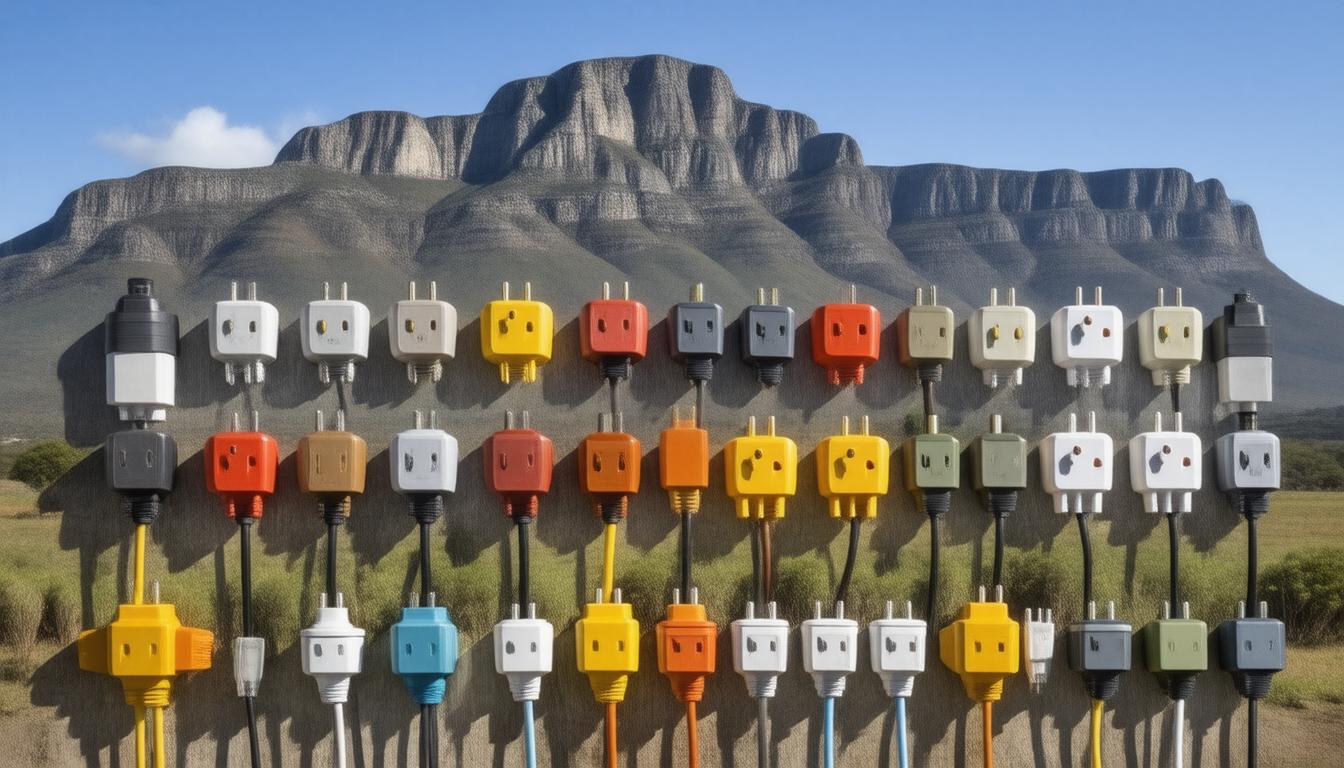
When moving to or traveling in South Africa, one essential consideration is the local electrical system, particularly the types of plugs and sockets used. Understanding the best plugs for South African electrical outlets is crucial to ensure that your devices can be safely and effectively powered. South Africa predominantly uses Type M sockets, characterized by three round pins in a triangular configuration. This specific design not only supports high current ratings but also offers a secure connection, preventing accidental disconnections. For devices that have different plug types, universal adapters or converters are highly recommended. Additionally, it is wise to check the voltage requirements of your electronics, as South Africa operates on a voltage of 230V with a frequency of 50Hz. Being equipped with the appropriate plugs will not only enhance user convenience but also protect your devices from potential damage due to incompatible voltage or incorrect socket types. For travelers and expatriates, familiarizing yourself with the best plugs for South African electrical outlets will help facilitate seamless integration into everyday life, allowing you to comfortably use your electronics throughout your stay.
Types of Plugs Compatible with South African Standards
When navigating the range of plugs available for South African electrical outlets, it's essential to understand the types that comply with the country's standards. In South Africa, the most commonly used plug is the Type M, characterized by its three round pins in a triangular formation. These plugs are favored for their sturdiness and suitability for various devices, making them among the best plugs for South African electrical outlets. Additionally, there are Type D plugs, which also feature three round pins but have different dimensions and pin positions compared to Type M. While they are not as common in South Africa, they may still be found in older buildings or for specific appliances. Lastly, Type C plugs, known for their two round pins, are used for smaller devices and are compatible with many power strips and converters available in the market. Understanding these plug types not only ensures safety but also improves your overall experience when using electronic appliances in the region.
'The best way to predict the future is to create it.' – Peter Drucker
Criteria for Choosing the Best Plugs
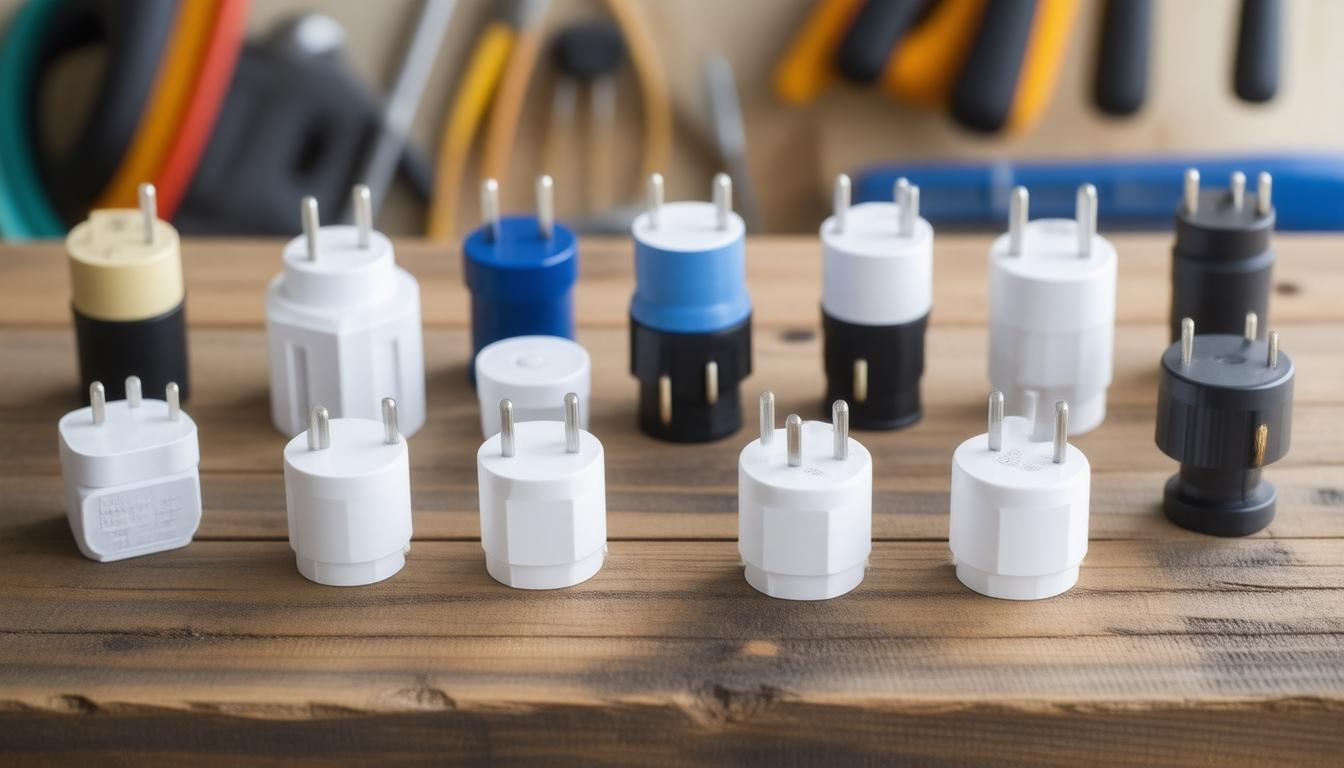
When it comes to selecting the best plugs for South African electrical outlets, understanding the specific criteria can greatly enhance your experience. Firstly, consider compatibility with South African standards. The country predominantly uses a three-pronged electrical plug (Type M) which is designed to be safe and effective for high-load applications. Look for plugs that confirm compliance with SANS (South African National Standards) to ensure safety and reliability. Secondly, durability is essential; look for plugs made from high-quality materials that can withstand the wear and tear of everyday use. This is particularly important in homes with heavy electrical appliances. It’s also advisable to evaluate the plug's maximum voltage and amperage rating, as this will dictate whether it can safely power your devices. Another crucial factor is ease of use. Plugs that feature user-friendly designs, such as easy grip for insertion and removal, can help prevent accidental damage to both the plug and the electrical outlet over time. Additionally, if you frequently travel or need to connect devices in various locations, consider versatile plugs that adapt easily to different environments while still being safe for South African use. Ultimately, the best plugs for South African electrical outlets not only ensure functionality but also prioritize safety, durability, and user-friendliness.
Top Recommendations for Quality Plugs
When it comes to electrical safety and efficiency in South Africa, understanding the options for plugs is crucial. The best plugs for South African electrical outlets are designed for reliability and durability, ensuring that your appliances operate seamlessly within the local electrical infrastructure. Always prioritize purchasing plugs that comply with SANS (South African National Standards) to guarantee a safe user experience. One of the top recommendations is the 3-pin plug, commonly used for various household devices due to its robust construction and grounding feature. Additionally, consider plug types that offer surge protection, especially if you live in areas prone to power fluctuations. Standardizing the use of quality plugs can significantly decrease the risk of electrical hazards, which is not only beneficial but essential for everyone's safety. To enhance convenience, many modern plugs also offer built-in USB ports, perfect for charging multiple devices without cluttering your power outlets. When selecting the best plugs for South African electrical outlets, always ensure they have a sturdy casing and investigate their current ratings to fit your specific appliance needs.
Safety Tips for Using Plugs in South Africa
When using plugs in South Africa, prioritizing safety is crucial due to the diverse electrical environments found across households and industrial sites. To begin with, always ensure that the best plugs for South African electrical outlets are used consistently. These plugs are designed specifically for the 230V electrical supply, reducing the risk of fires or electrical shocks. It’s also important to check for certification marks on plugs and appliances, as this indicates that they meet safety standards. Overloading an outlet is another common mistake; make sure to distribute your electrical load evenly, and avoid using multiple high-power devices in one socket. Furthermore, inspect your plugs and cords regularly for any signs of wear and tear, and replace them if necessary to prevent any hazards. When unplugging devices, grip the plug itself rather than the cord to avoid damaging it. Lastly, consider using surge protectors to shield your electronic devices from power spikes, which can occur during storms or outages. By following these safety tips, you can enjoy a secure and efficient electrical experience in your South African home.
Maintaining and Caring for Your Plugs
When it comes to maintaining and caring for your plugs in South Africa, understanding the unique requirements for the best plugs for South African electrical outlets can make all the difference. Regular inspection is key; check for any signs of wear or damage, such as frayed wires or burnt prongs. Keeping the plugs clean from dust and debris is essential, as this can prevent electrical hazards and ensure a proper connection. Additionally, avoid overloading sockets with multiple devices, as this not only risks damaging the plugs but could also lead to electrical fires. Consider using surge protectors to further safeguard your appliances and plugs. With a little attention and proper care, your plugs can continue to function effectively, providing safety and convenience in your home.
Frequently Asked Questions
What type of plugs are used in South Africa?
South Africa uses Type M plugs, which have three round pins arranged in a triangular pattern. Other types like Type C and Type N plugs may also be found in certain situations.
How do I choose the best plug for South African electrical outlets?
When choosing plugs for South Africa, consider compatibility with Type M outlets, durability, safety certifications, and the specific devices you plan to use.
Are there specific safety tips to follow when using electrical plugs in South Africa?
Yes, ensure that plugs are fitted and secured properly, avoid using damaged plugs, never overload sockets, and always check for safety certifications on plugs.
Can I use international plugs in South Africa?
International plugs are not directly compatible with South African outlets, but you can use a plug adapter to convert different plug types to the Type M standard, if necessary.
How should I maintain my plugs for optimal use in South Africa?
To maintain your plugs, regularly inspect them for wear and tear, clean them with a dry cloth, ensure they are stored safely, and avoid exposing them to moisture.


